

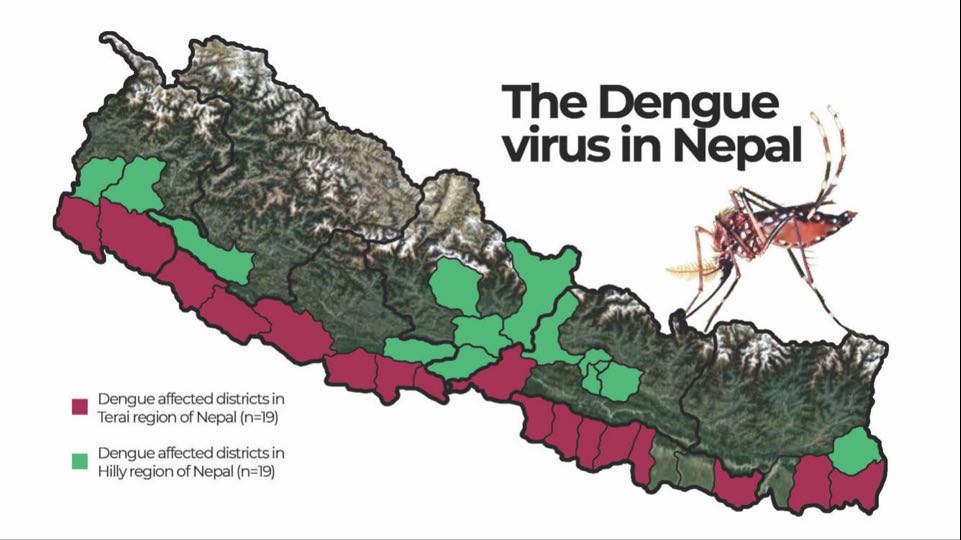
There have been few days without rain this April and May in Kathmandu. That means more disease for Kathmandu. Not COVID-19, but the virus we used to talk about -- last year's scary unknown disease, dengue.
The year 2019 saw Nepal's worst ever outbreak of dengue, with 15,000 people infected, many times the previous high. Dengue was particularly bad in the Kathmandu Valley. At least six people died.
The medical journal The Lancet has warned that Kathmandu could see a dengue ‘explosion’ because it has become ‘an ideal breeding ground’ for the mosquito that carries dengue -- the notorious Aedes aegypti. Already in 2020, four cases have been reported in Kathmandu, and four in Lalitpur.
Big story of smallpox in Nepal, Tom Robertson
Viruses past, present and future, Tom Robertson
Dengue spiked in 2019 with outbreaks around the developing world. In recent years, Delhi, Dhaka, Ho Chi Minh City, Senegal and Singapore have faced bad outbreaks. A dengue outbreak in Delhi in 2015 inundated hospitals and clinics across the city.
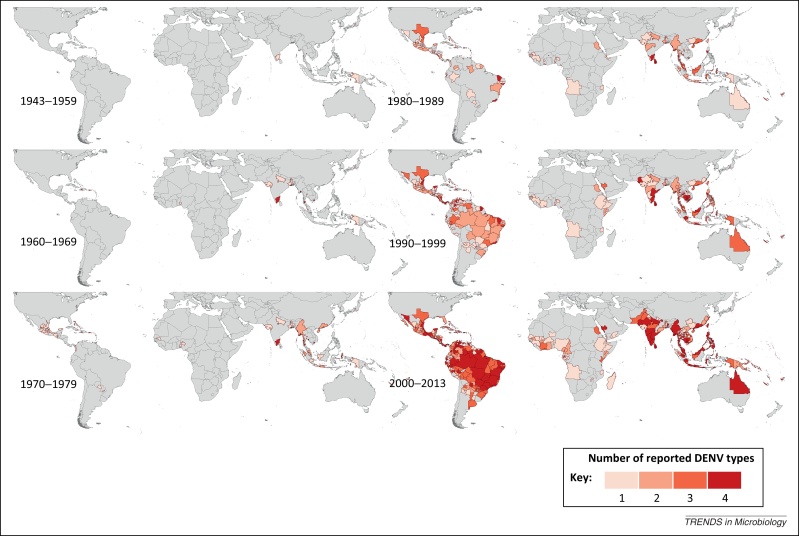
Dengue likes warm humid conditions. Before corona, dengue was the world's fastest growing dangerous virus, increasing four-fold in just over a decade. Two of every five people around the world, nearly 3 billion people, live in dengue risk areas where it is a leading cause of illness. Each year approximately 100 million people contract the disease, and over 20,000 die.
Like malaria, dengue is actually several different diseases that we give a single name. There are four dengue viruses: Dengue 1, 2, 3, and 4. A person can catch each one, and get sick as many as four times.
A first infection generally brings only mild flu symptoms, if any at all. But a second infection can cause ‘severe dengue’ with plasma leakage, bleeding, and shock. This can kill. No treatment exists for dengue, but generally symptoms can be managed.
Climate health emergency, Sonia Awale
Mosquitoes move up mountains as the earth warms, Sonia Awale
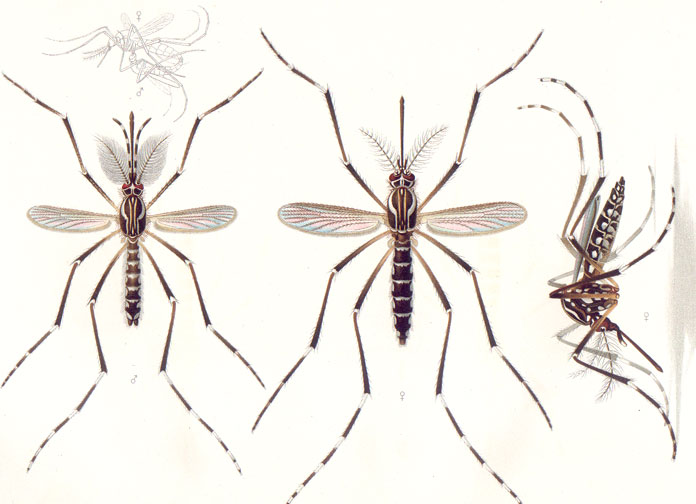
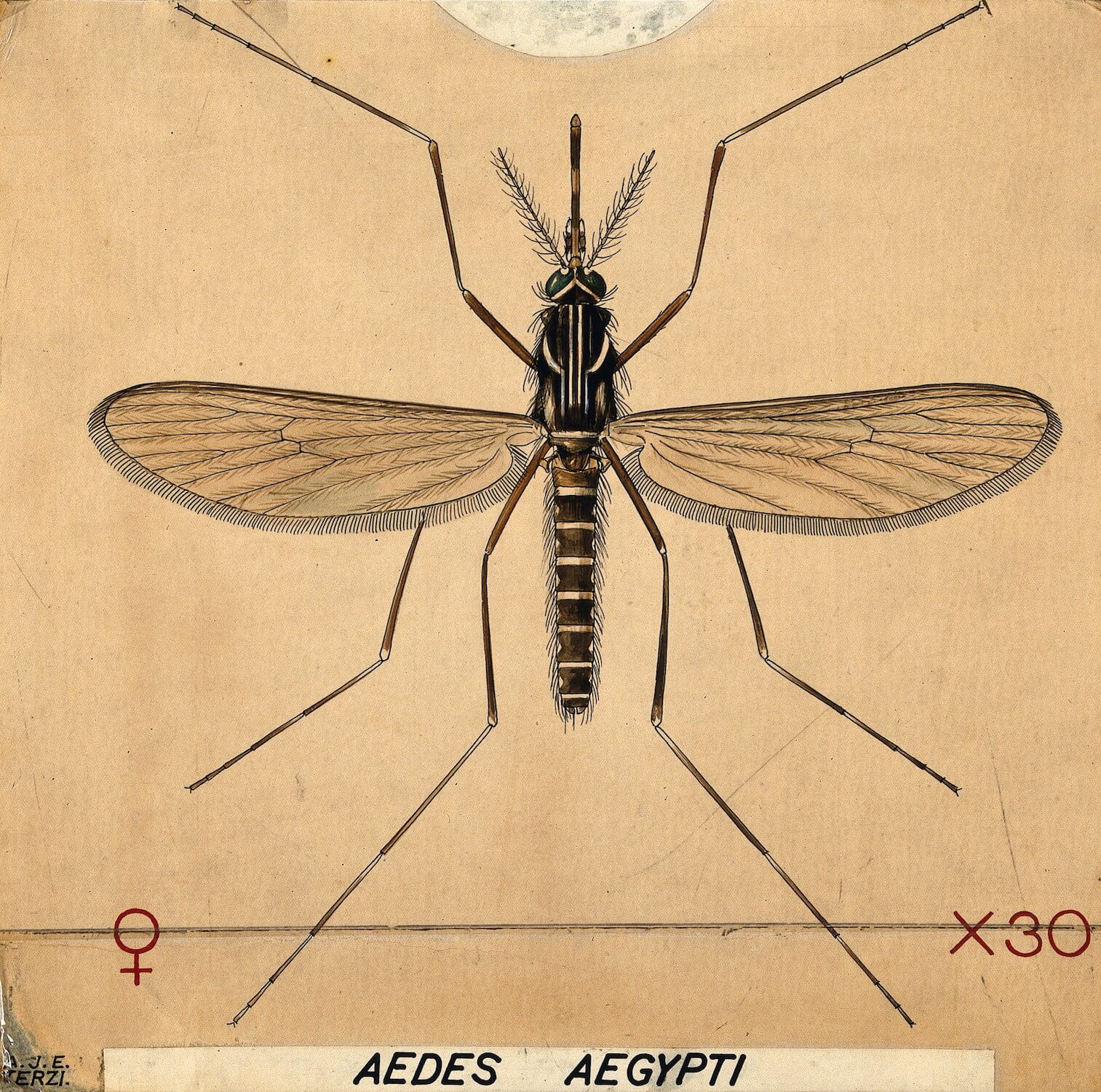
Dengue's main mosquito host, Aedes aegypti, is no ordinary mosquito. In a species known for death and deviousness, it has few rivals. Not many mosquitoes have so successfully defied human efforts at control, including in recent decades.
Long before dengue, Aedes aegypti carried a far deadlier disease: yellow fever. During the 16th and 17th, slave ships brought yellow fever carrying A. aegypti from Africa to the Americas, devastating indigenous populations and reshaping the region's balance of power. In the early twentieth century, the A. aegypti -- yellow fever combination almost blocked the construction of the Panama Canal.
Most wildlife avoid humans. Not A. aegypti. It loves us, particularly the ecological disorder we often create. The more humans, the more disturbed ecosystems, the more A. aegypti. Cities, especially disorganised cities, create ideal habitat: lots of standing water for breeding and lots of humans for feeding.
Dengue's other mosquito carrier is A. albopictus.
The Lancet points to dengue's major causes: climate change, relentless and haphazard urbanisation, brisk trade and transit from dengue-infested areas, and poor health infrastructure. As Kathmandu grows and gets more connected to other parts of Asia, dengue spreads.
Climate change has been overrated as a cause. Warming temperatures can extend the range of Aedes carriers but other causes deserve more attention. ‘Last summer’s explosion of dengue in Kathmandu Valley was blamed on climate change,’ the Nepali Times recently noted, ‘but it was actually a perfect storm of crowded and squalid living conditions, poor drainage, greater mobility of people, and a particularly wet monsoon.’