
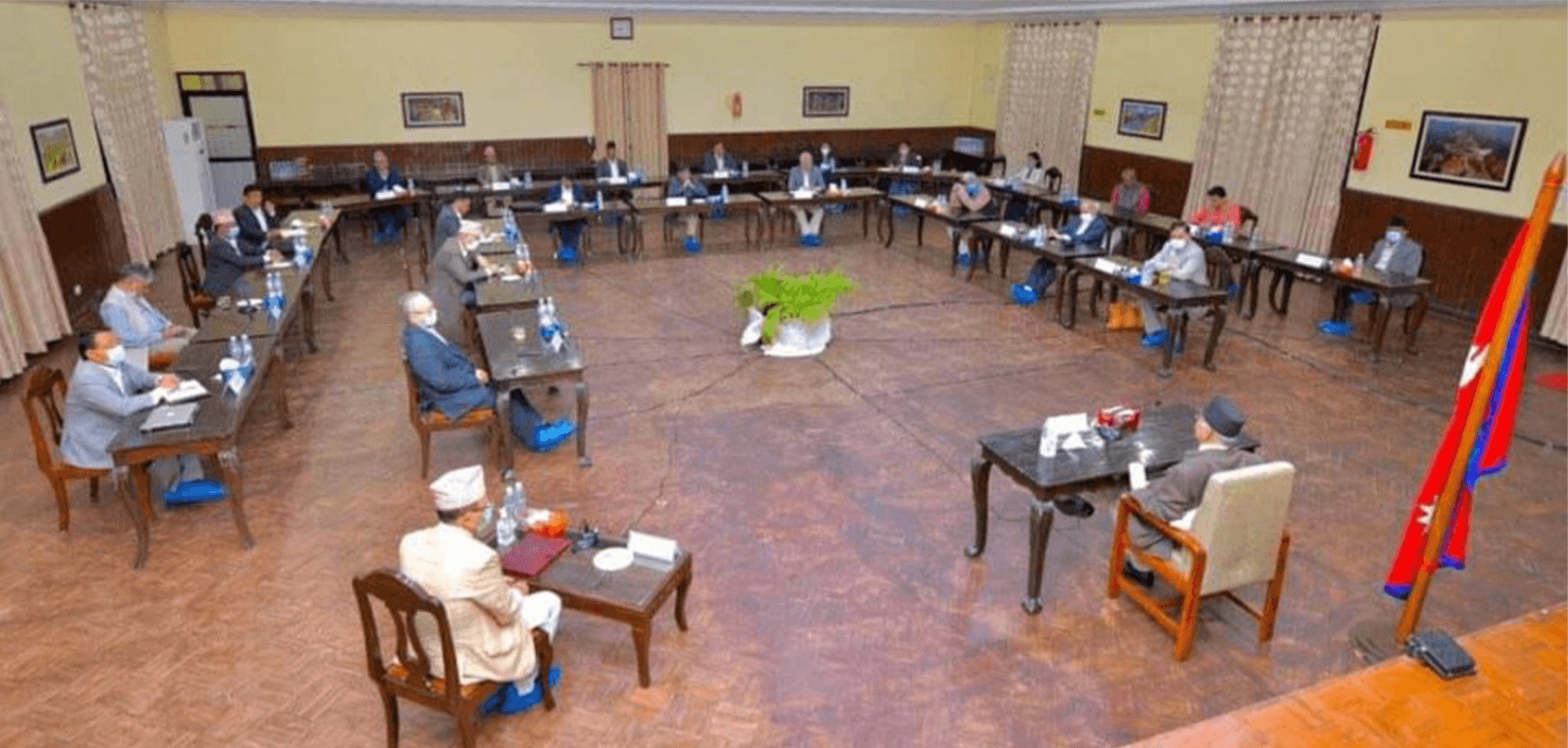
Younger member of the Nepal Communist Party (NCP) are trying to prevent a split in the Nepal Communist Party because of a intensifying confrontation between Prime Minister K P Oli and party executive chair Pushpa Kamal Dahal.
The long-simmering power struggle between the two is now reaching a climax with Oli accusing Dahal of trying to remove him from power and impeach President Bidya Devi Bhandari, while Dahal has accused the Oli of going back on past power-sharing agreements.
After Thursday’s standoff which ended in an on-going session of the NCP’s Standing Committee being put off till Saturday, many had expected the two top leaders to patch up their differences.
Bow out, Editorial
Nepal PM Oli under pressure to resign
Indeed, there have been hectic meetings over the past two days of Oli and Dahal loyalists as well labbying by second and third-tier NCP members to head off a split. Oli and Dahal also had a phone conversation on Saturday morning which did not seem to have healed the rift – in fact it seemed to have increased Oli’s determination to make this a make-or-break fight.
On Saturday evening, he went to see President Bhandari – his fourth meeting with her in the past week. He then called a meeting of the Cabinet at Baluwatar during which he said that he would under no circumstances resign from both prime ministership and party leadership as demanded by the Dahal faction.
“Nepal’s communist movement and nationalism are at stake, and it is my duty to defend both,” he is reported to have told his ministers, adding that there was a conspiracy to remove him and impeach the president.
Oli is also said to have warned his ministers to either come out and support him, or step down from the Cabinet. The prime minister appears to be preparing for any eventuality – his close supporters last week re-registered the United Marxist-Leninist (UML) party at the Election Commission.
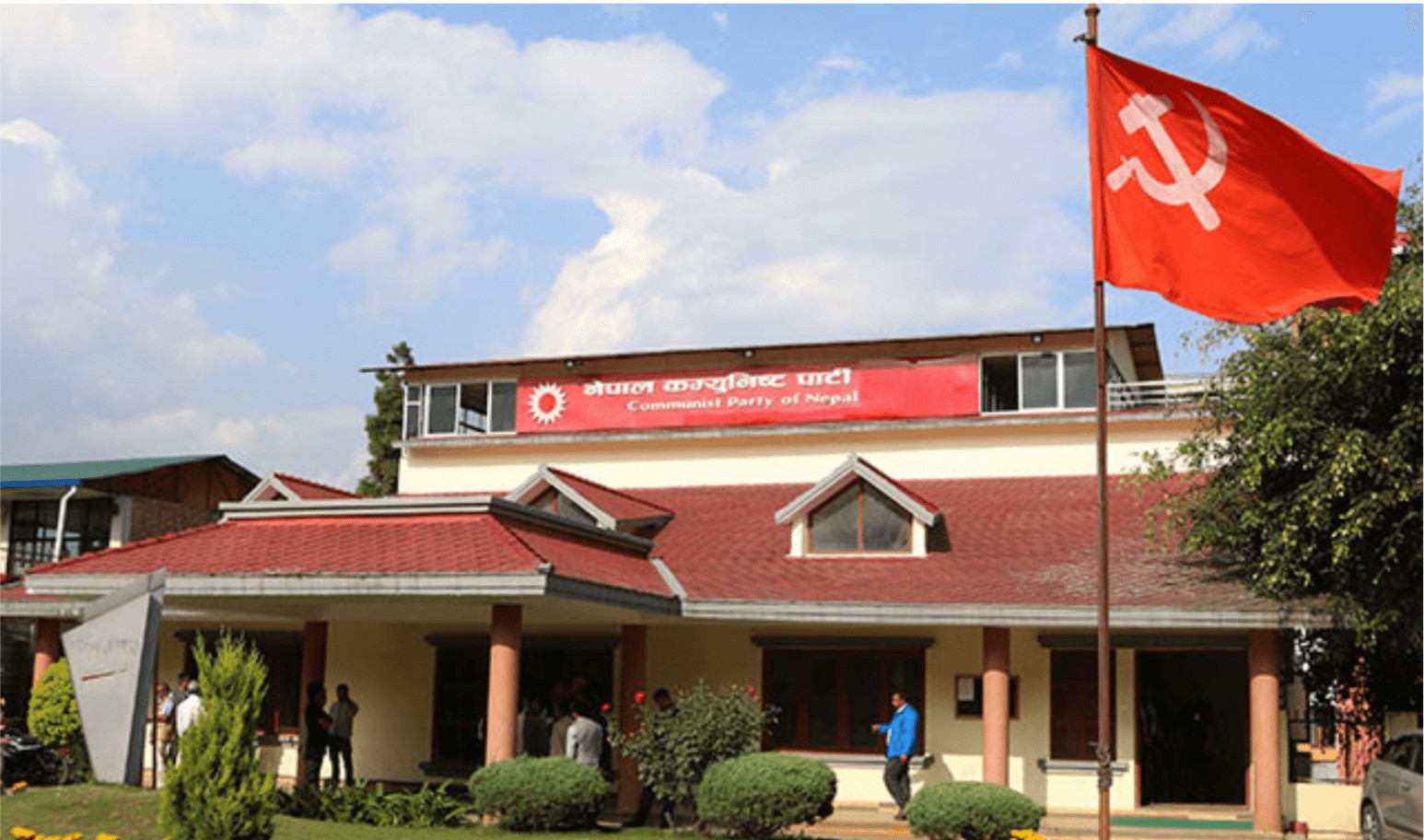
And to add more credibility to his threat of splitting the party, Prime Minister Oli got President Bhandari to prorogue the budget session of Parliament so that he could, if necessary, pass an ordinance allowing parties to split with a 40% majority in the Central Committee.