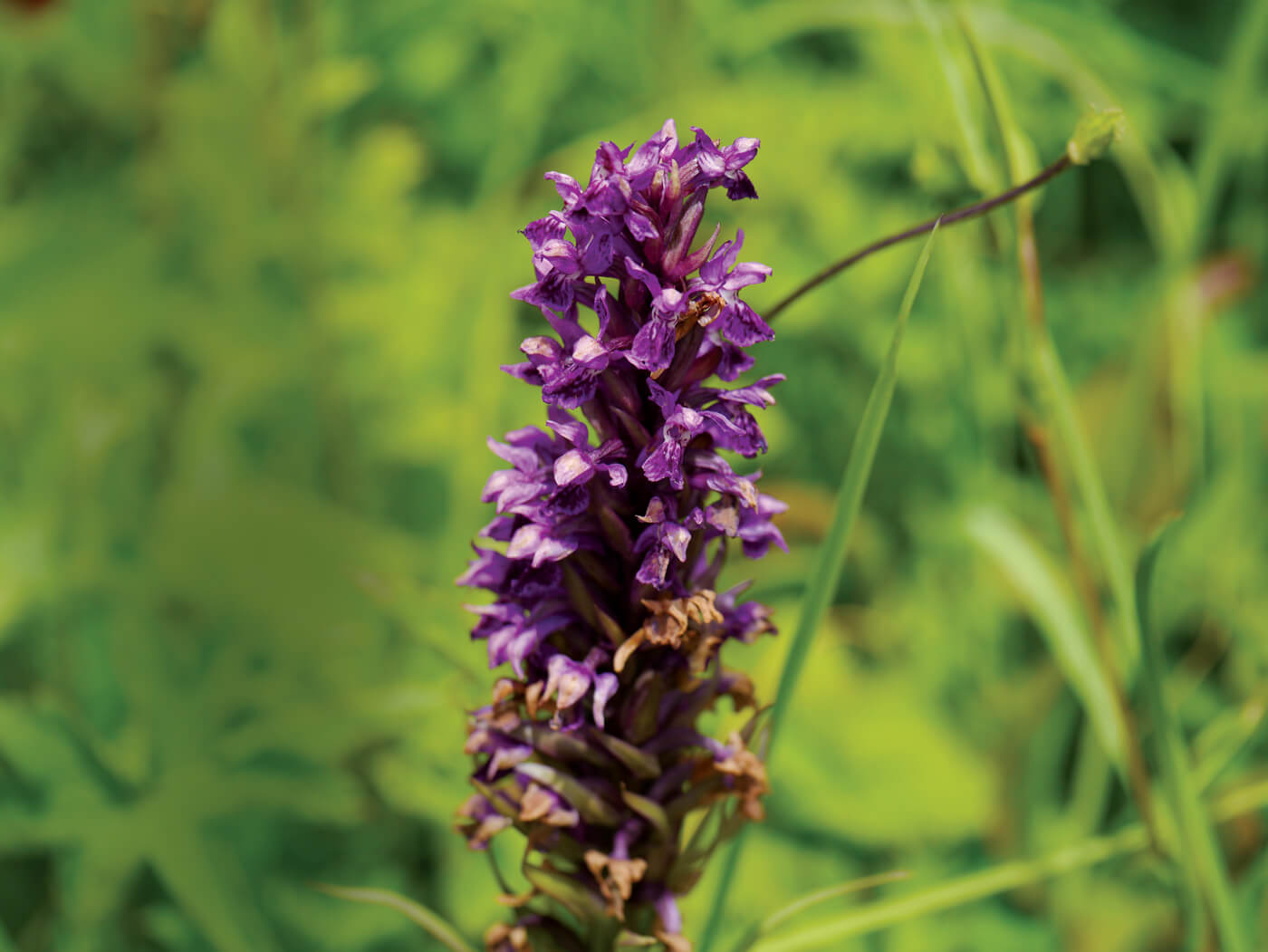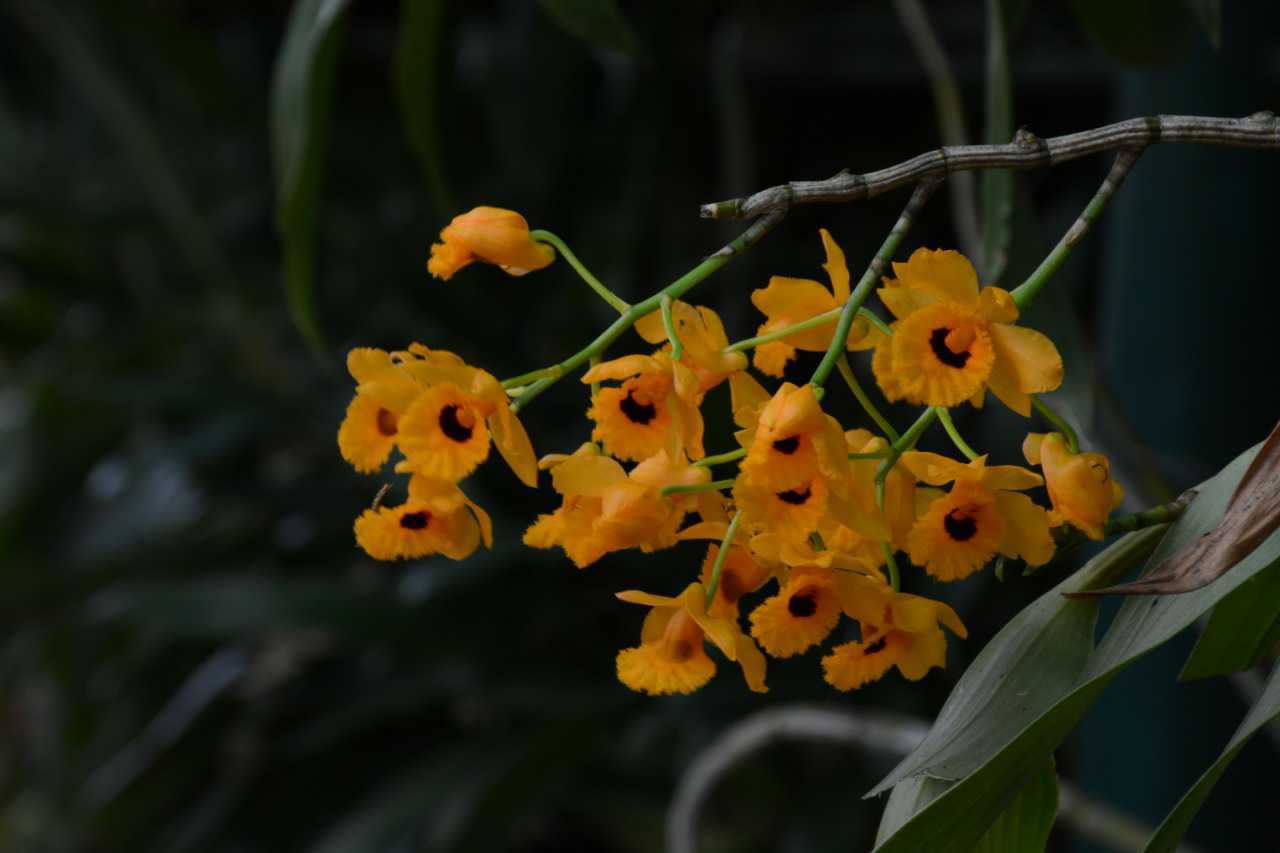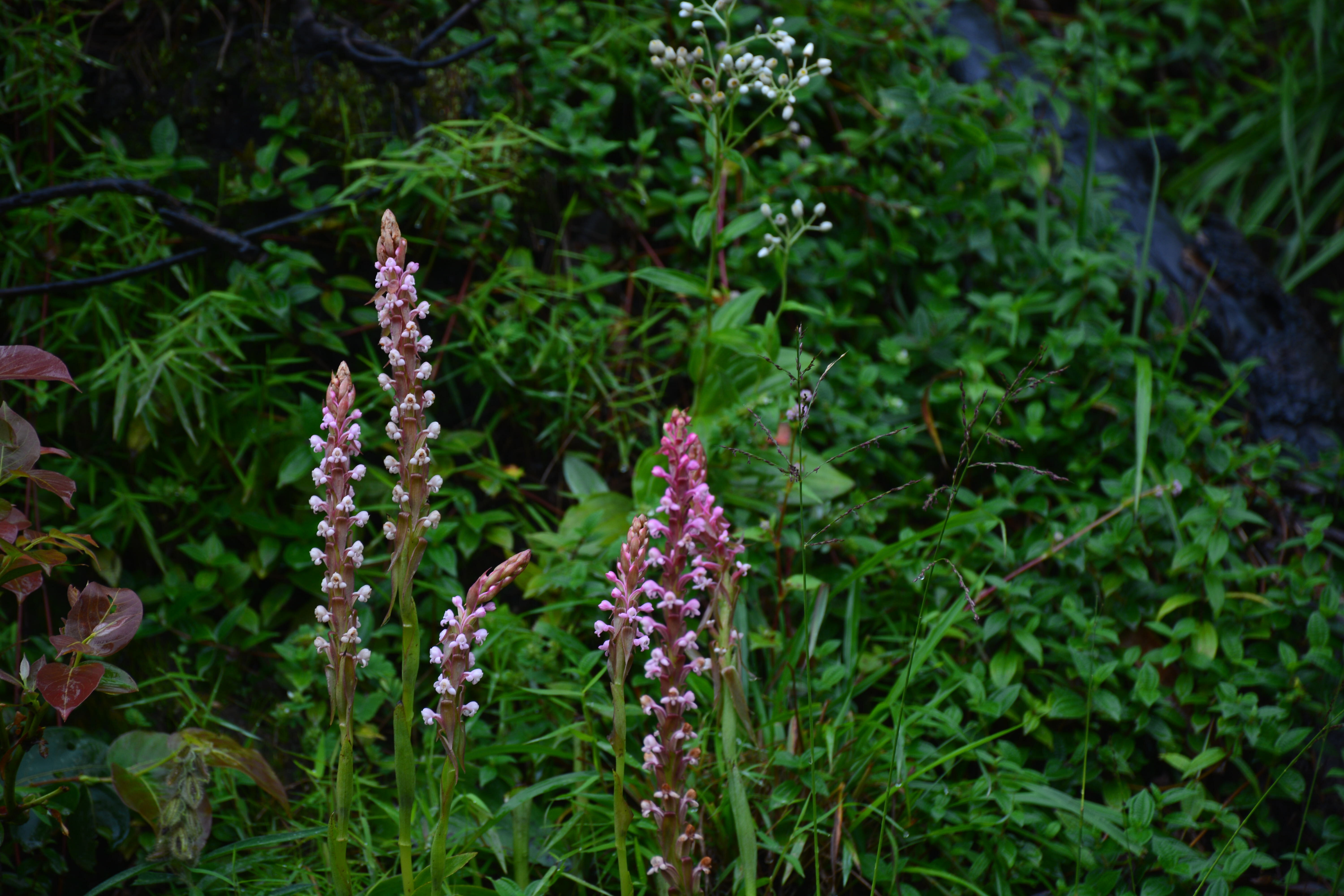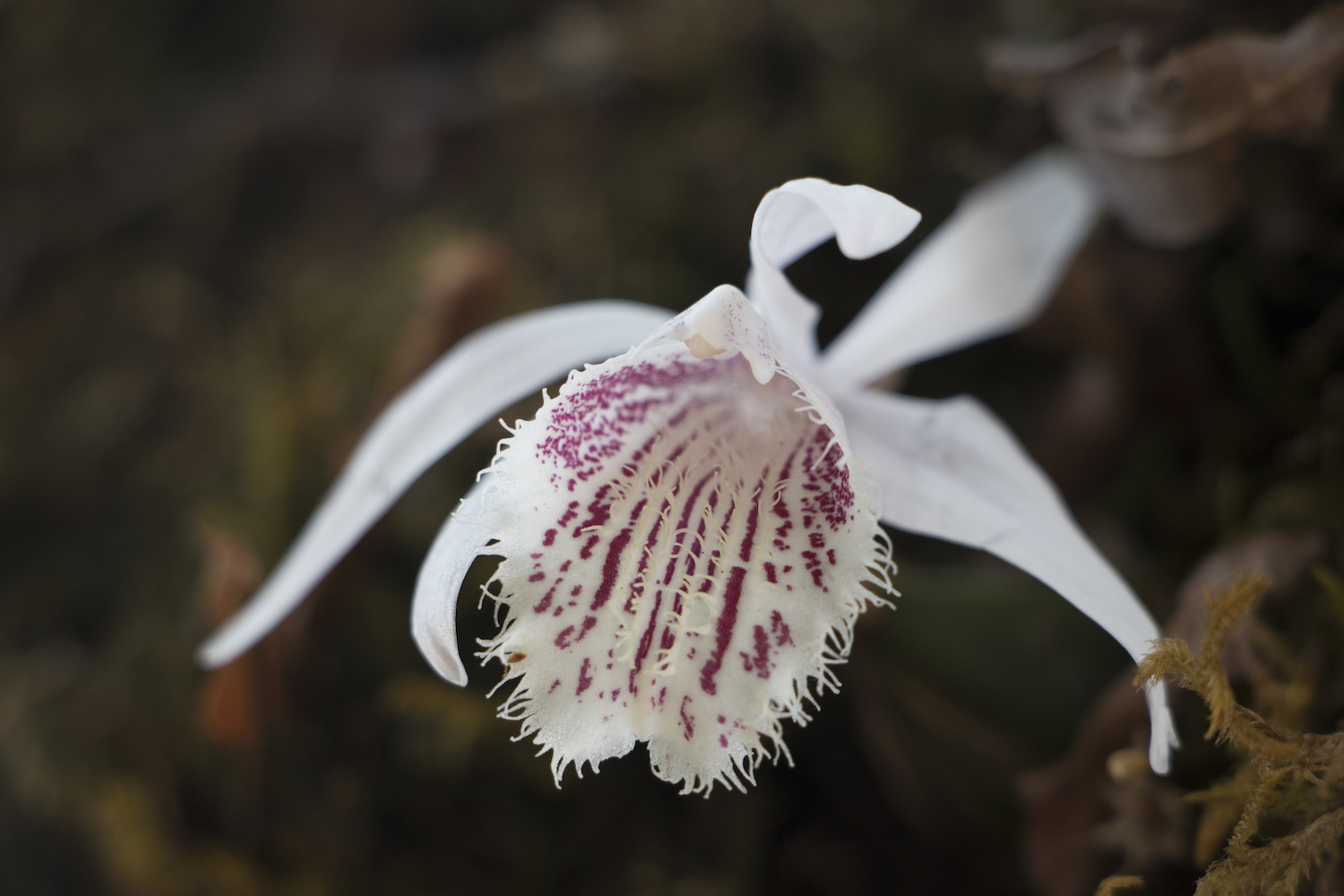
There are about 30,000 species of orchids found in the world, and of them 500 are found in Nepal.
There are different types of orchids: they are called epiphytes if they cling to trees, lithophytes if they grow on rocks, terrestrial if on the ground, and there are even saprophytes which are orchids found underground.
The unusually-shaped Foxtail (Rhynchostylis) grows on trees in the Nepal Himalaya, as do the highly-protected Pachaule (Dactylorhiza hatagirea) orchid known for its medicinal properties. The Himalayan Slipper (Cypripedium himalaicum) are collected for their shoe-shaped flowers.
Read also: Saving nature by protecting orchids, Reshu Bashyal and Jacob Phelps
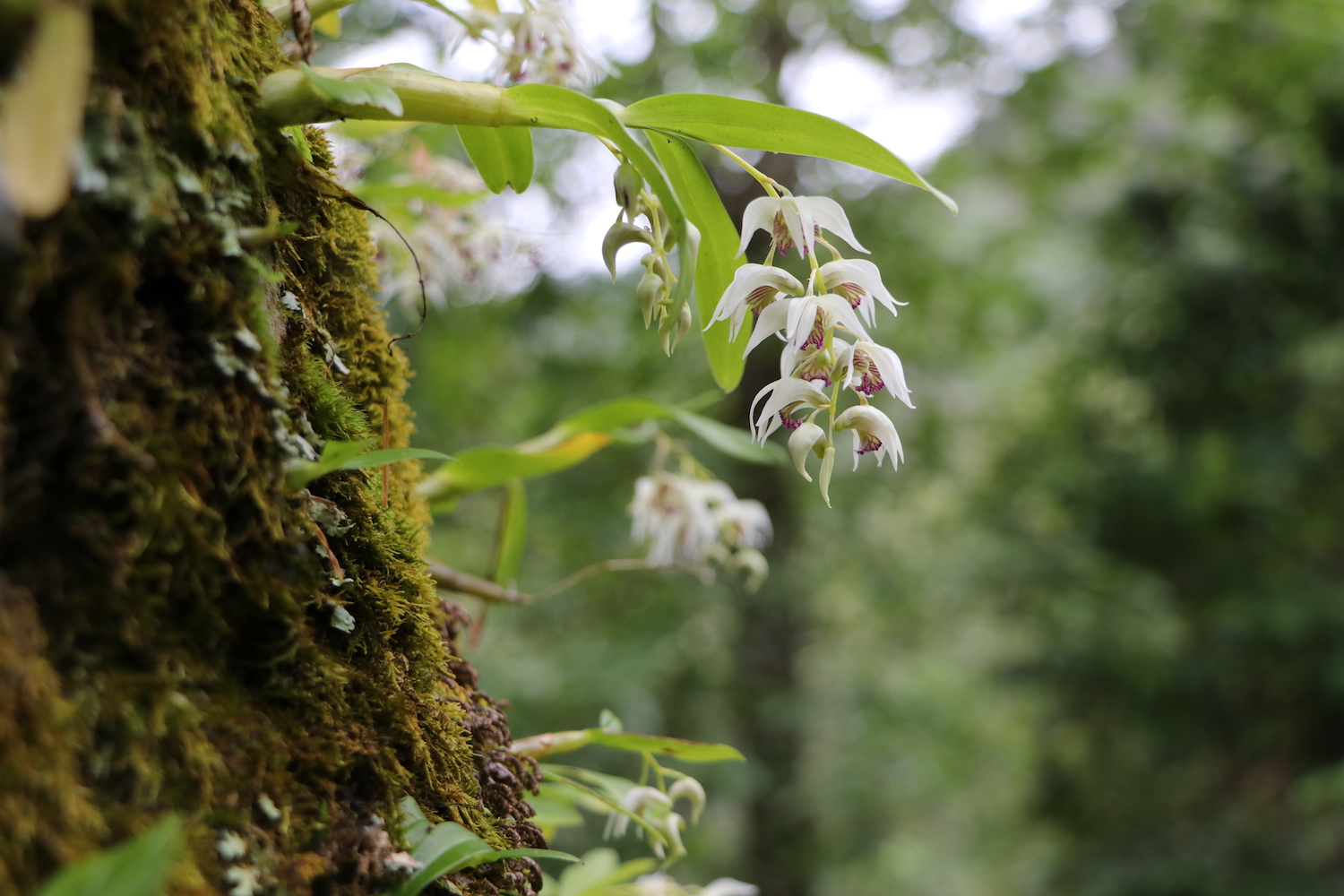
These and other 100 orchids are believed to have medicinal value in Chinese, Ayurvedic and Amchi traditional medicine to treat everything from pain relief to serving as aphrodisiacs.
Many are also harvested as ornamental plants and as fodder for livestock. Nepal has a long history of harvesting and trading wild orchids: supplying a significant amount of raw material to meet local and international demand both through legal and illegal channels.
The Convention on International Trade in Endangered Species of Wild Fauna and Flora (CITES) lists orchids as an endangered flora. In fact, among its listed species of plants and animals, around 70% are orchids, and apart from a couple species of Paphiopedilum, also known as Venus Slippers, all orchids are listed under Schedule 2.
Read also: Saving the treasure trove of Nepal's orchids, Kamal Maden
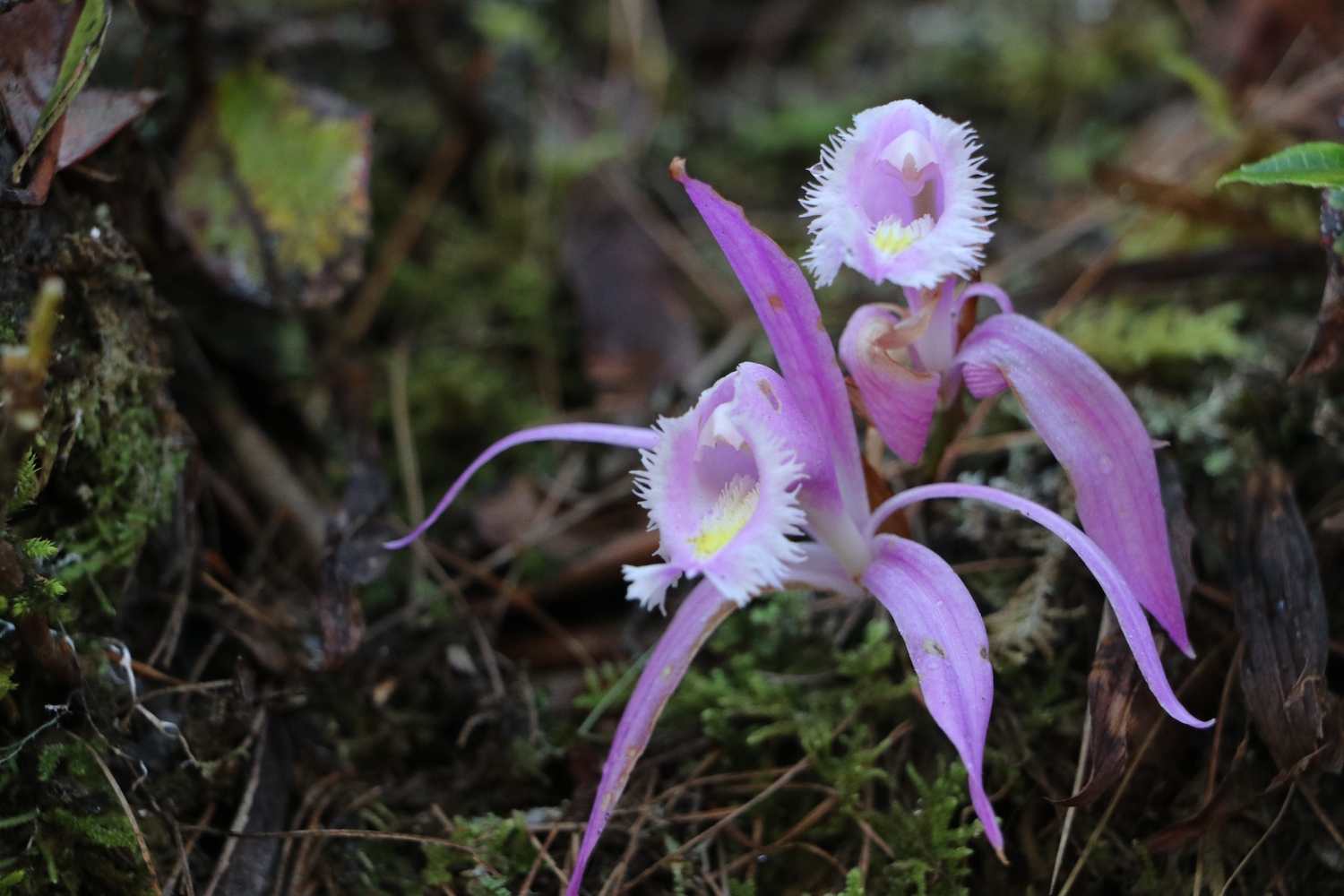
As Nepal is a signatory party to CITES, it is responsible for stopping the illicit trade, collection and export of these flowers. Nepal’s own CITES Act 2017, which follows the Convention, states that there must be necessary plans in place before the orchids listed can be harvested.
Yet, in practice plant conservation is neglected. Orchids have made it into legislation, but only on paper. All harvesting of orchids is illegal in Nepal. While attention is paid to identifying orchid habitats, detailed research into their trade and conservation is still lacking.
Our relationship with plants is often different from that with animals. Endangered species of animals, such as the tiger and rhino, are protected strictly by law, but the same commitment is not extended to plants.
In Nepal, flora connoisseurs consider orchids special for their kaleidoscopic colour patterns and shape. Beyond the aesthetics, many Nepalis consume orchid petals to alleviate stomach cramps, as tonic, and even against cancer, often without identifying the plant and its properties.