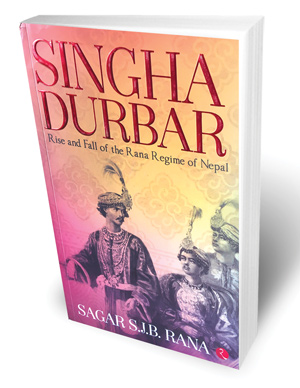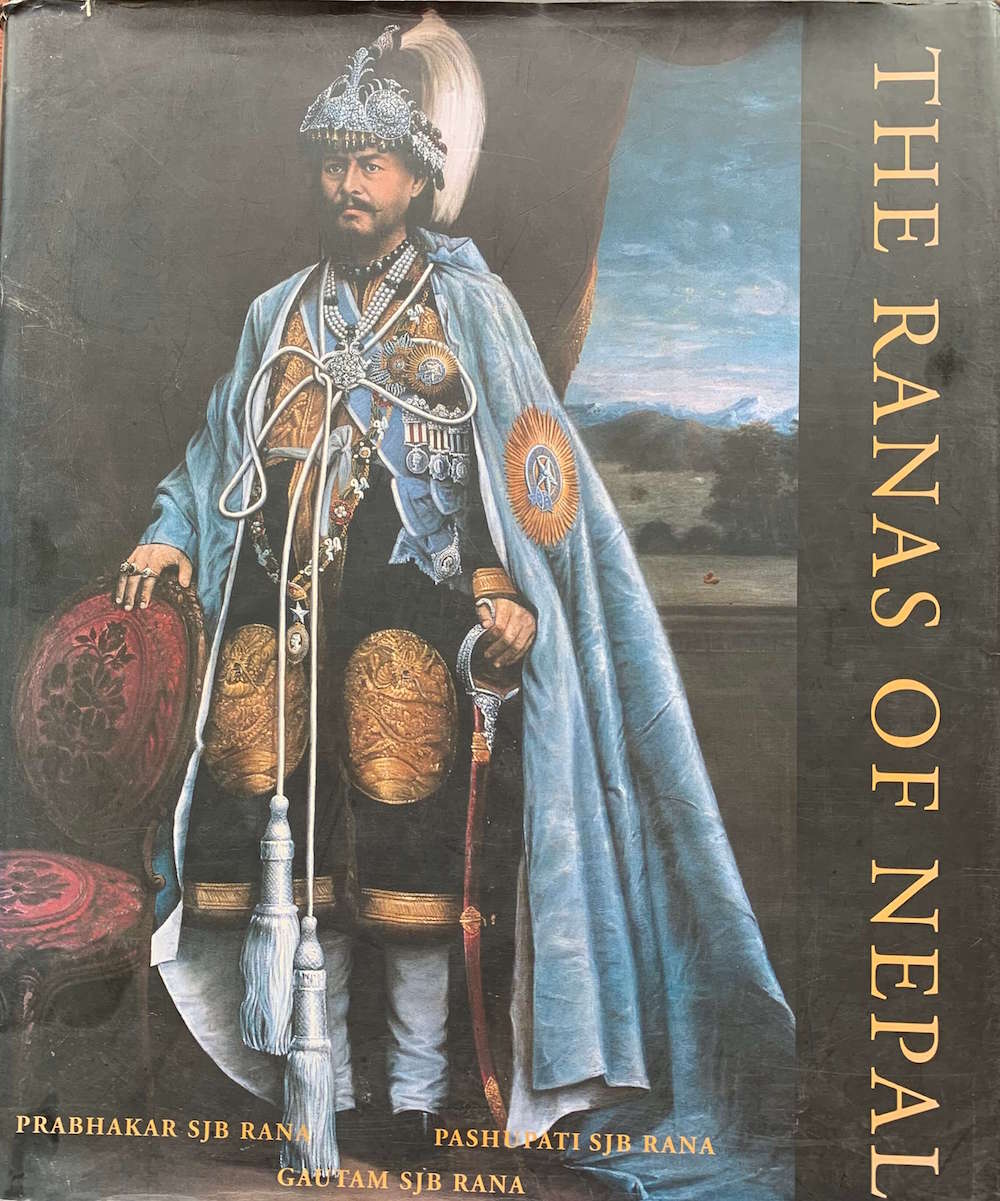
When Sagar Rana launched his book, Singha Durbar: Rise and Fall of the Rana Regime of Nepal three years ago, I asked him what made him and his two brothers Bharat and Jadgish so liberal-minded compared to other members of his clan that ruled Nepal for over a century.
He said it was because he and his brothers grew up within the comforts and luxury of a Rana palace, and they were keenly aware of the poverty and social injustice in Nepali society.
I said, wait a minute, there were other Ranas of that era who also grew up in luxury and saw the country’s pervasive poverty first hand. What made him and his brothers different? Sagar Rana thought that over, and said it was probably his father’s emphasis on education. Indeed, Mrigendra Shumsher was Education Minister under the Ranas and the family lived under strict discipline and in a relatively frugal lifestyle.
At age 12 in 1951, Sagar was sent to boarding school in Indore followed by five years in Leighton Park School in Reading in England, where he did his A Level and went on to Oxford for a Masters in Law.
He returned to Nepal during the tumultuous years after the royal coup of 1961 that put Nepali Congress leaders, including his brother Bharat as leader of the opposition, in jail. Later, he was with Bharat in Delhi in 1962 when he announced the merger of his Gorkha Parishad with the Nepali Congress.
On return to Nepal, Sagar Rana became a member of the Nepali Congress during the years it was banned. There were few other Ranas who took the risk. He was detained several times, his house was often searched, and his family’s Baber Mahal property was confiscated. He suffered the social boycott of the ruling elite, including relatives.
Sagar Rana was also a member of the Congress Working Committee and Head of the Department of International Relations during the crucial years leading to and during the 12-point agreement with the Maoists of November 2005.
There was perhaps no one better placed to pen the history of the rise and fall of the Ranas than Sagar Rana. He was a family insider and political outsider during the great changes after 1950, the great grandson of Prime Minister Chandra Shumsher, grandson of hardliner Gen Baber Shumsher, son of educationist Mrigendra Shumsher. His son, Udaya, is the Nepali Congress MP from Lalitpur.
It is this inter-generational involvement of a Rana family in Nepal’s political transition that makes Singha Durbar such a compelling and credible account of the clan’s rule from 1847-1951.
Sagar Rana has delved into archival material, memoirs in Nepali written by historical figures, interviews with members of the extended family, and an unpublished diary of his father. The book is academic in scope and flows well from one Rana prime minister to the next.
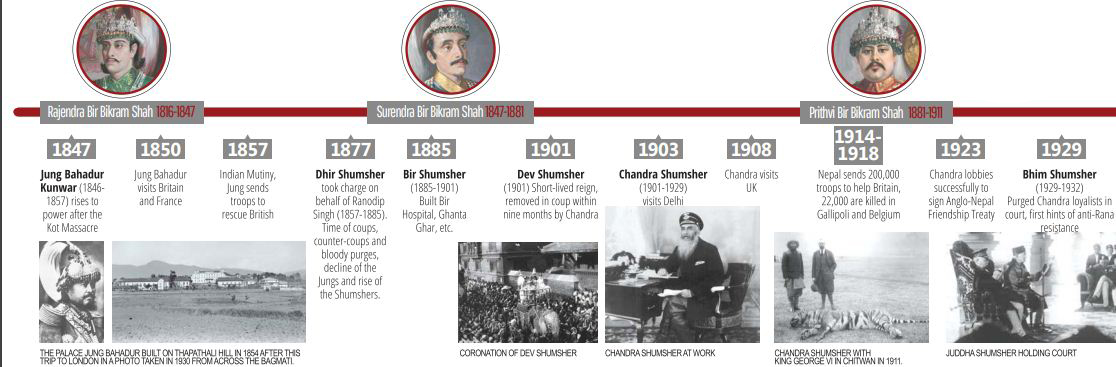
It begins with the intrigue and ambition that led to the events at the Hanuman Dhoka Palace in 1847 that made the word ‘Kot’ synonymous with ‘massacre’ in the Nepali language. The bloodshed led to the rise of Jung Bahadur Kunwar – the ancestor of all the Ranas to follow.
Jung Bahadur rose to pre-eminence because the Shahs bickered, and the courtier families of the Pandes, Thapas and Basnyats carried on their feuds. Although the Kot massacre was gory, Sagar Rana reminds us that it was not as bloody as Bhimsen Thapa’s purge 30 years previously, after Nepal’s defeat in the war with the East India Company, in which more than a hundred members of the nobility were culled.
Jung Bahadur has earned a deserved reputation for being ruthless, but he was also a strategic thinker and had the survival of the recently emasculated Gorkha Empire foremost in mind. This is why he made a trip to England in 1850 – an elaborate espionage mission to gauge Britain’s military might and to see if it was wise to risk going to war with the Empire to regain territory lost in 1816.
He toured England’s ammunition and cannon factories, the naval yards, visited the military academy and at the end of it all, needed no convincing that it was better to be friends with Britain. His dynasty remained staunch allies of the British, and it was also why Rana rule would come to an end after India gained independence in 1947.
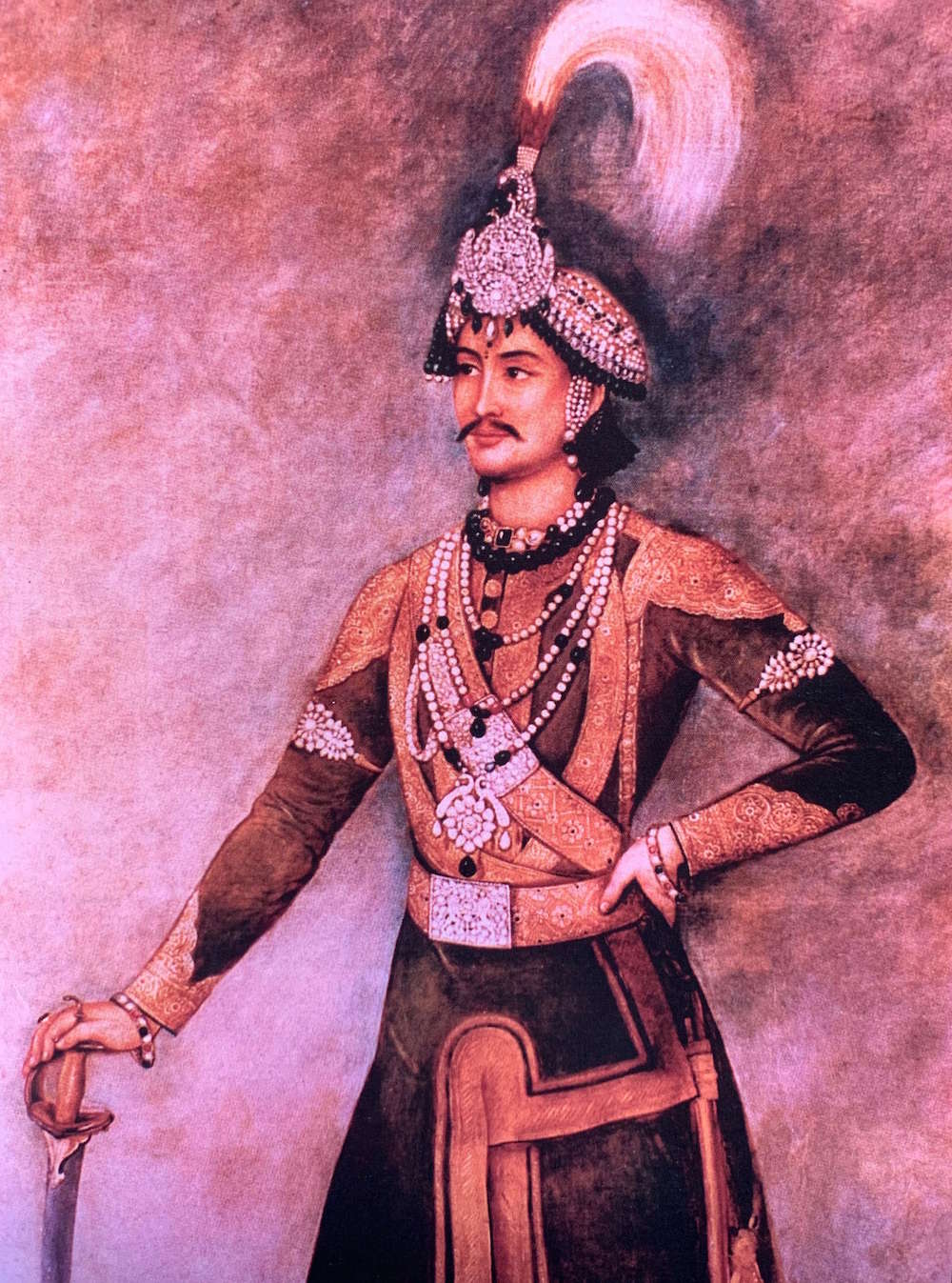
For the British, this was a strategically useful alliance. When they were nearly defeated in the 1857 mutiny, it was Jung himself who led troops to rescue them, but not before pre-negotiating the return of the Tarai plains and compensation for revenue lost since 1816.
Gurkha recruitment was the other reason Britain valued its personal rapport with successive Rana prime ministers. Nepal’s young men served in the Afghan Campaign, during World War I and World War II. At least 50,000 Nepalis laid down their lives for Britain in those two wars at a time when Nepal’s population was barely 2 million. This nearly emptied Nepal’s mountain villages of two generations of young men.
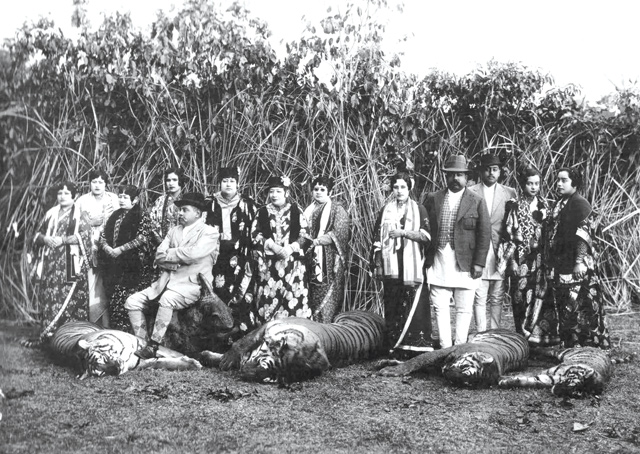
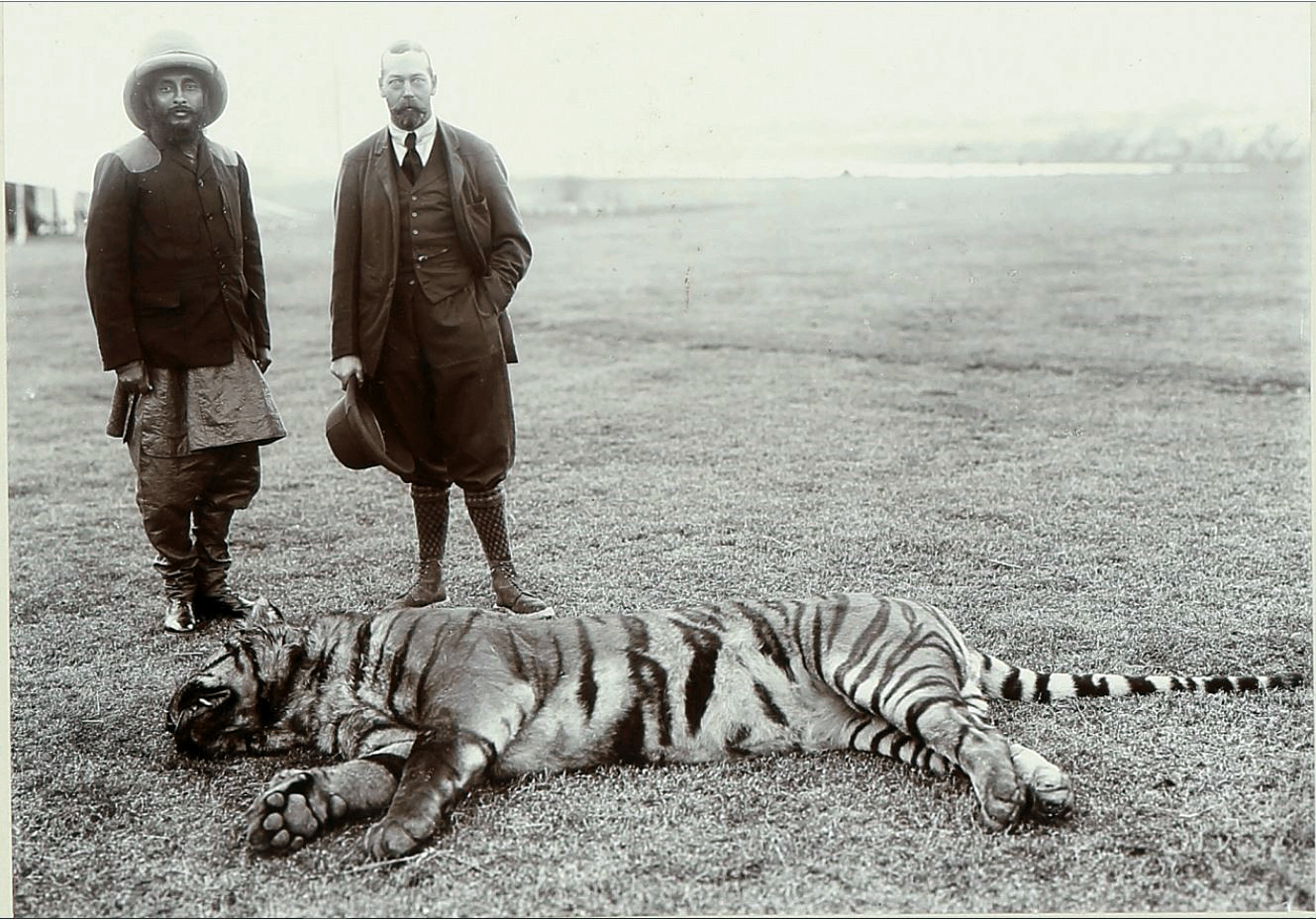
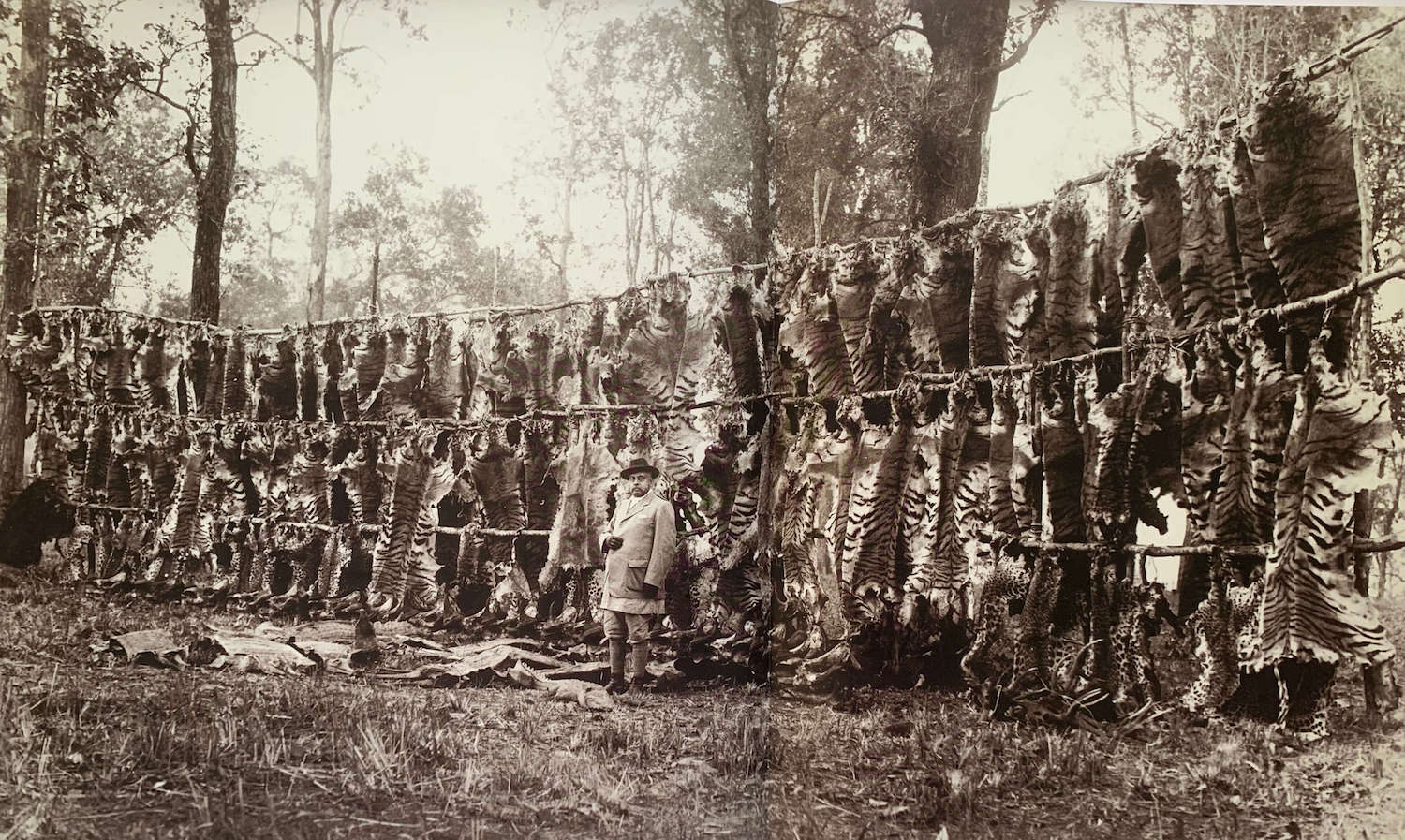
Like Jung Bahadur, Chandra Shumsher knew how to cash in on Britain’s goodwill. He hosted Lord Kitchener, invited King George VI and Prince Edward on tiger hunts in Chitwan, softening the British establishment to sign the Anglo-Nepal Friendship Treaty of 1923 that firmly established Nepal as a sovereign nation, unlike the semi-autonomous princely states in India.
Chandra Shumsher should not be judged by today’s standards. He was ruthless, no doubt, but he and some of the other Ranas were always aware that their personal and family fortunes were tied with a strong and independent nation state. And unlike some famous Rana rulers, Chandra was not as openly promiscuous, and after his own visit to England, had a broader geopolitical perspective about Nepal’s place in the world.
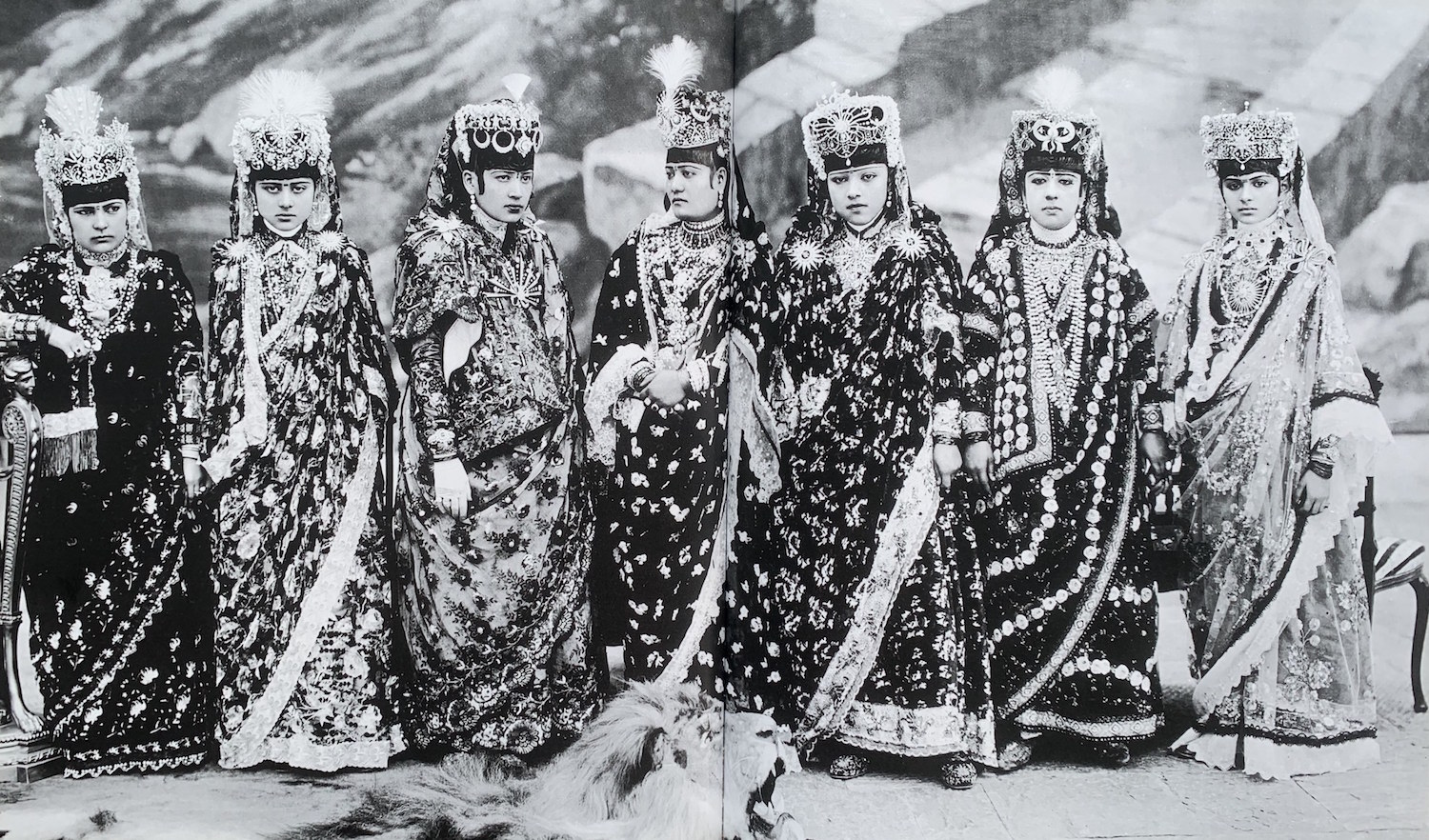
Singha Durbar contains intriguing revelations of how the Ranas tried desperately to preserve their rule as the democracy movement gathered pace. Nepali students educated in India had been influenced by the quit-India movement against the British. But there were also liberal Ranas who felt their clan’s feudalism was outdated.
Mahavir Shumsher, the flamboyant businessman and once one of Calcutta’s richest men, and Subarna Shumsher with his education, thought it was time to let go. The dynasty was also imploding because of the brewing rebellion among B and C Class Ranas, classified according to the caste and ethnic hierarchy of the wives and concubines who begat them.
The second half of Singha Durbar is a blow-by-blow account of how the anti-Rana resistance took shape, the rise and fall of the Koiralas, the story of Biratnagar, the freedom movement in exile in Calcutta and Banaras and how it brought together a disparate group of democratic-minded young Nepalis with Rana dissidents.
Ultimately it was the home-grown revolt led by martyrs like Shukra Raj, Dashrath Chand, Ganga Lal and Dharma Bhakta that fired the resistance. Other activists, Tanka Prasad Acharya, Ganesh Man Singh, Ramhari Sharma waged an underground movement at considerable personal risk.
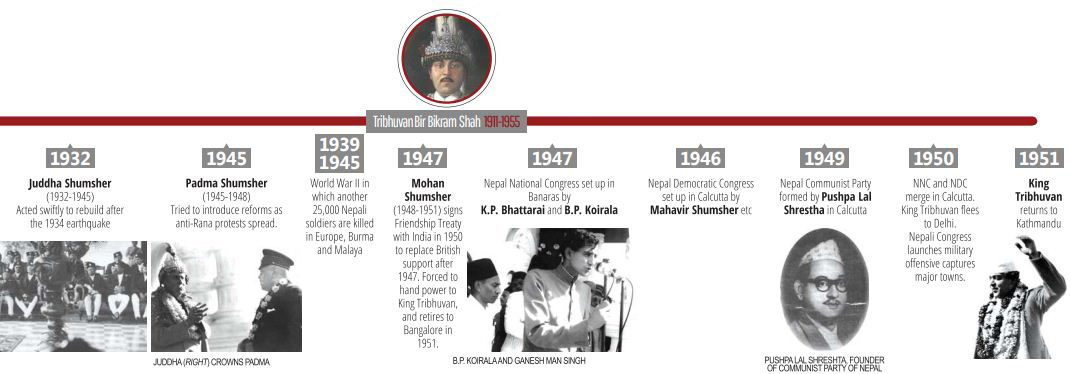
As the pressure from within Nepal and outside grew, half-hearted reforms by successive Rana prime ministers Bhim, Juddha, Padma and finally Mohan were too little too late to turn the tide of history. The Ranas had hoped that Gurkha recruitment would work again to cushion them against Indian pressure, but times had changed. India’s independence had already put the dynasty on the wrong side of its tryst with destiny.
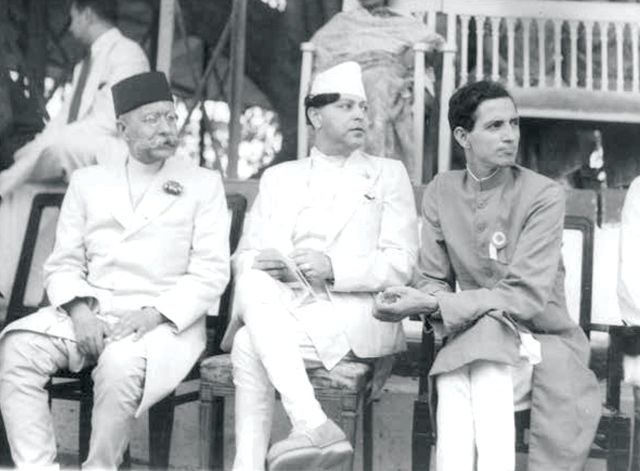
Sagar Rana’s sequel to Singha Durbar is with the publishers, and it traces the trajectories of some of the cast of characters from this book into the period between 1951 to the present – a time of wasted opportunities and sacrifices, of historical lessons not learnt, and of freedoms fought for and squandered over and over again.
Here are some random notes taken while reading the book:
- Singha Durbar is replete with references that show us how little things have changed in the way the British and independent India deal with Nepal, how Lainchaur still looms large in Nepal’s domestic politics, and how we seem to have underestimated the role played by the 200-year-old tradition of Gurkha recruitment in Nepal’s relations, first with the British and then with India. It can be said that Nepal’s independence came not just at the cost of Nepali blood spilt from Kangra to Makwanpur in 1814-16, but also in the trenches of Flanders Fields in 1917 and the jungles of Burma in 1944.
- Indian politician Karan Singh writes in the Foreword about how his ancestors’ Dogra kingdom and the Rana regime were both established in 1847, his father Maharaja Hari Singh of Kashmir and Mohan Shumsher both stepped down around 1950, how he married Yasho Rajya Laksmi, the grand-daughter of Mohan Shumsher, and was sent by Indian Prime Minister Man Mohan Singh in 2006 to convince King Gyanendrato restore parliament. If Gyanendra had listened earlier, perhaps Nepal would still be a monarchy.
- After Jung’s death in 1877, despite a clear succession roll, the brothers bickered so much that the British resident Col Wylie wrote to Calcutta about the ascendance of Bir Shumsher: ‘It doesn’t matter which side of cut-throats has the upper hand … as long as they render services to us.’ Which immediately brings to mind words later ascribed to various U.S. presidents: ‘He may be a son of a bitch, but he is our son of a bitch.’
- As Chandra Shumsher conspires to unseat Dev Shumsher in 1901, he uses a hunting trip in Chitwan by Governor General Lord Curzon to get a tacit nod from the British for his planned family coup, much in the same way Nepali politicians today jet to Delhi before toppling governments to seek blessings.
- Chandra Shumsher tried to ban animal sacrifices, but was over-ruled by his priests. So, he brought a revered Indian swami to a public debate in Kathmandu which the pro-sacrifice clergy won. The debate goes on today with the mass slaughter at Gadimai.
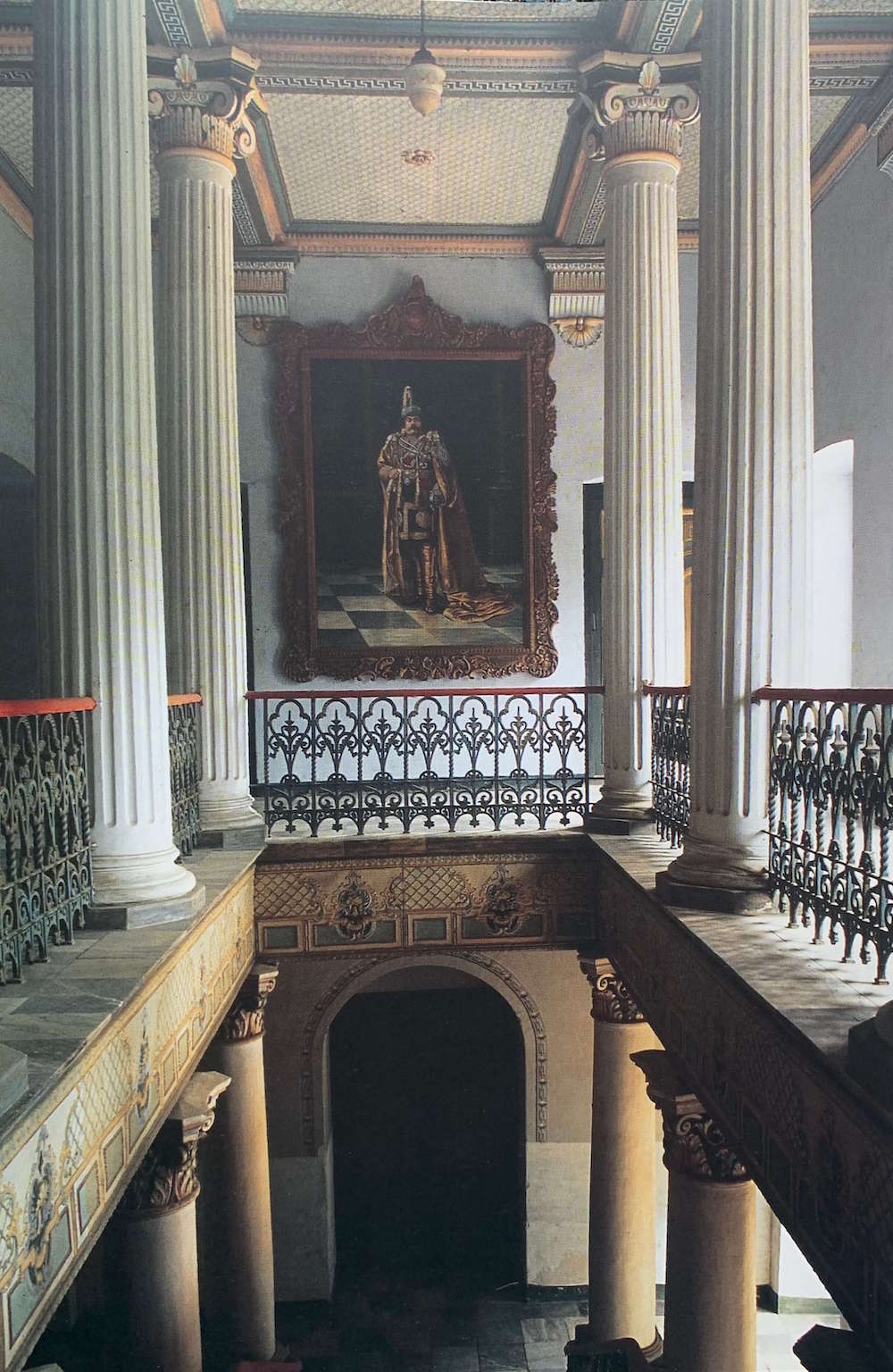
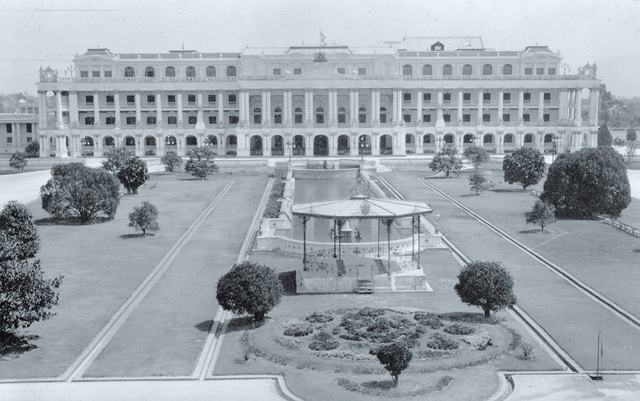
- Chandra built Singha Durbar, the palace from which the book gets its title. It had 1,400 rooms, but no toilets. When asked why, Chandra is said to have replied: “We don’t go to the toilet, here the toilet comes to us.”
- As Britain prepared to go to war against Germany in 1939 the Ranas debated whether to offer troops. Padma Shumsher argued that the Nazis were more likely to emerge victorious and Nepal should “back the winning horse, or remain neutral”. Nepal sent 200,000 troops to Europe, Malaya and Burma anyway to back the Allies, and one in ten did not come back.
- Mahavir and Subarna Shumsher, despite being Ranas, favoured a militant approach to overthrowing the oligarchy, even setting up the Jana Mukti Sena — the exact same name given by the Maoists 40 years later to their People’s Liberation Army.
- B P Koirala was inspired by Gandhi and initially opposed the use of violence. Koirala even met Gandhi to ask him to talk some sense into the Rana rulers in Kathmandu so he would not have to take up arms against them. Gandhi’s sad reply: ‘I cannot help you. When my own people do not heed me, why will the Ranas listen to me?’
- J P then helped B P get arms from his social democrat friend U Nu in Burma, and Mahavir Shumsher sent two of his Himalayan Airways DC-3s to Rangoon to fly the weapons to a disused WWII airfield near Patna. On board was journalist Bhola Chatterjee, and Thir Bam Malla.
- A pall of gloom descended in Singha Durbar and the palaces of the Ranas in Kathmandu on the day the British decided to leave India. What happens in India, then and since, has always had a direct impact on Nepal.
- To evade Mohan Shumsher’s spies, the role of intermediary between King Tribhuvanand the Indians was played by German physiotherapist Erika Leuchtag. The two had a code word for Mohan: ‘Goebbels’.
- Indian Ambassador C P N Singh had an even better channel of communication with Tribhuvan: confectioner B L Sharma, who used to carry messages back-and-forth slipped inside boxes of ladoo. Singh once took Tribhuvan for a sightseeing flight over Kathmandu so he could have a face-to-face conversation away from Rana surveillance.
- Boris Lissanevitch of the 300 Club in Calcutta (and later Royal Hotel in Kathmandu) facilitated Tribhuvan evading his Rana guards during a visit to Calcutta to deliver a letter to Nehru agreeing to overthrow the Ranas.
- In Patna, B P’s group was preparing for a military campaign when he eavesdropped on an Indian Embassy radio transmission from Kathmandu that said King Tribhuvan had sought refuge in the mission. Sagar Rana quotes B P’s memoir: ‘The matter has now gone out of our hands … the King is under Indian Embassy control.’
- Mohan Shumsher made a last-ditch attempt to garner Indian support by signing the 1950 Treaty of Friendship and Cooperation that addressed India’s security concerns vis-a-vis China. The treaty is seen to have been forced on Nepal and remains controversial to this day.
- Mohan sent SOSs to Washington and London to recognise Gyanendra as the new kingafter Mohan Shumsher left for Delhi, but Nehru ‘persuaded the Anglo-American lobby to refrain from any hasty step’. In 2006, the Anglo-Americans abandoned Gyanendra again.
- When the British dispatched a delegation to Kathmandu to assess the situation, the Indian Embassy in Kathmandu got B L Sharma and others to organise a protest at Gauchar airport that turned into a full-scale riot. That airport is now named after Tribhuvan.
- Anti-Rana forces found out that Tribhuvan was under ‘guest house arrest’ at Hyderabad House in Delhi, and they launched armed attacks in Nepal capturing Birganj. Nehru was furious, and again pressured the British and Americans to follow ‘the middle path’, much in the same way India got them to back its ‘twin pillar’ doctrine in 2005.
- The 5-point Delhi Compromise of 1950 itself seems to have been a harbinger of the 12-point agreement between the seven political parties and the Maoists in Delhi in November 2006, establishing a tradition whereby every big crisis in Nepal is resolved with Indian mediation.
The Rana legacy still casts a long shadow over Nepal. In the palaces that have been converted into government buildings, in the rusting hulks of Nepal’s first ropeway, the first hydropower reservoir in Pharping that still functions as a water supply system.