- Achyut Raj Bhandari
Women may be treated unfairly by society in one of Nepal’s most conservative districts, but it is they who are at the forefront in linking roadless Humla to the rest of the country.
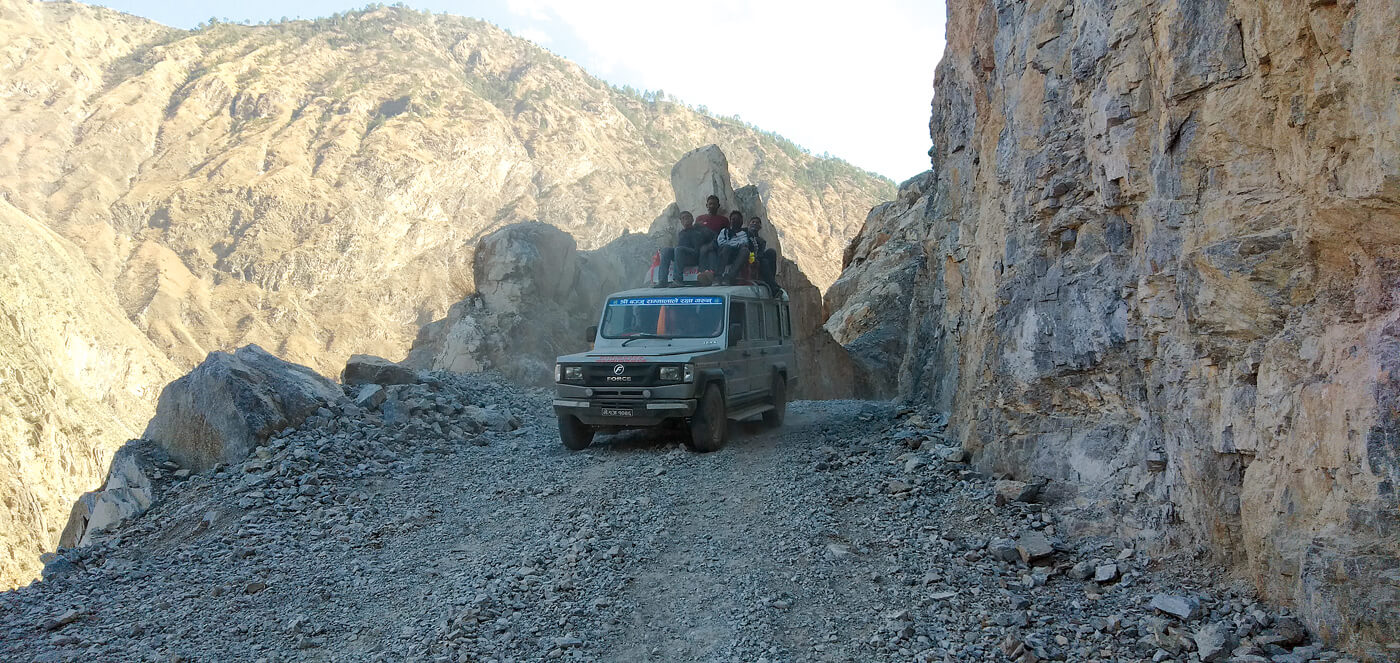
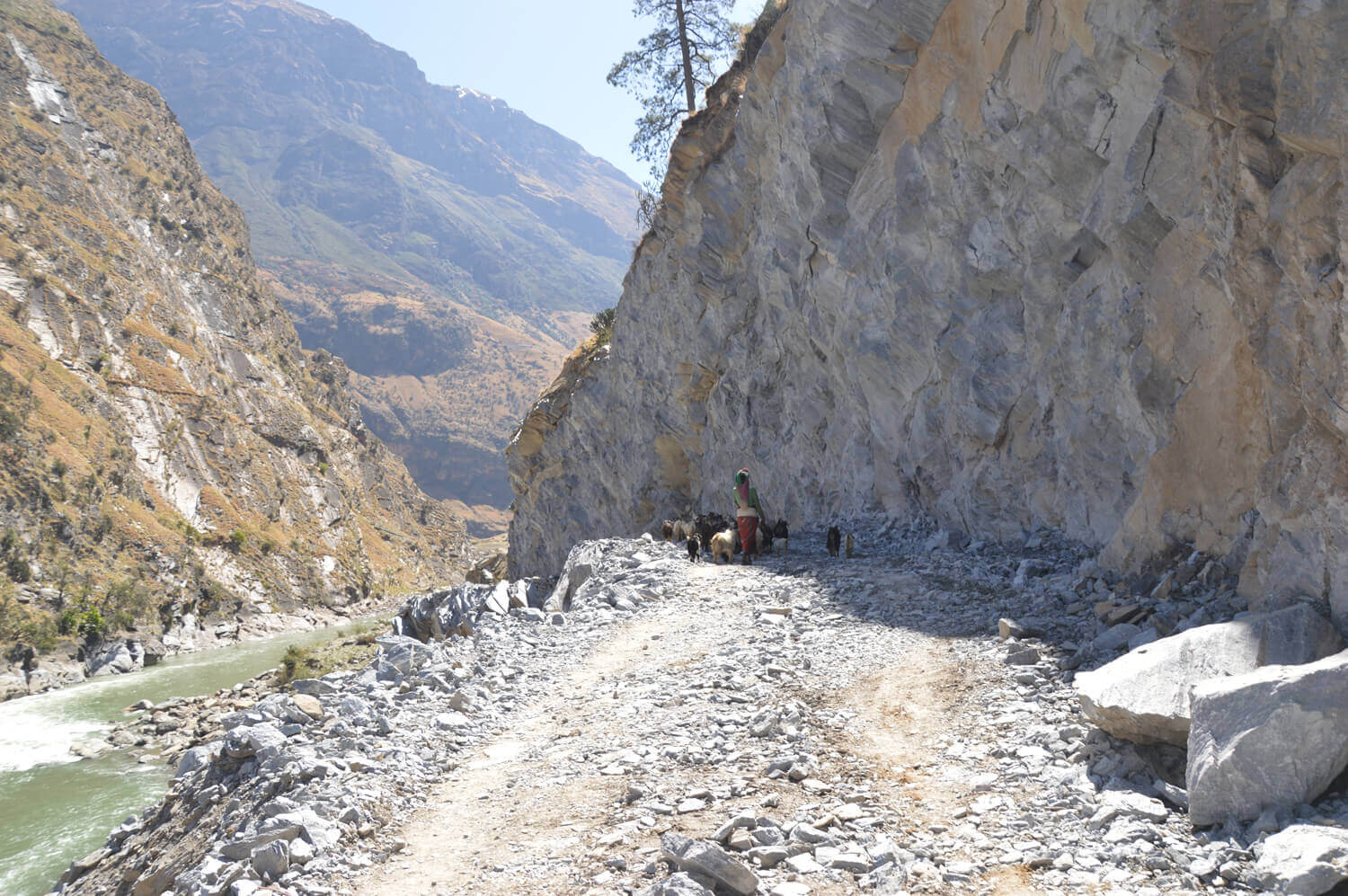
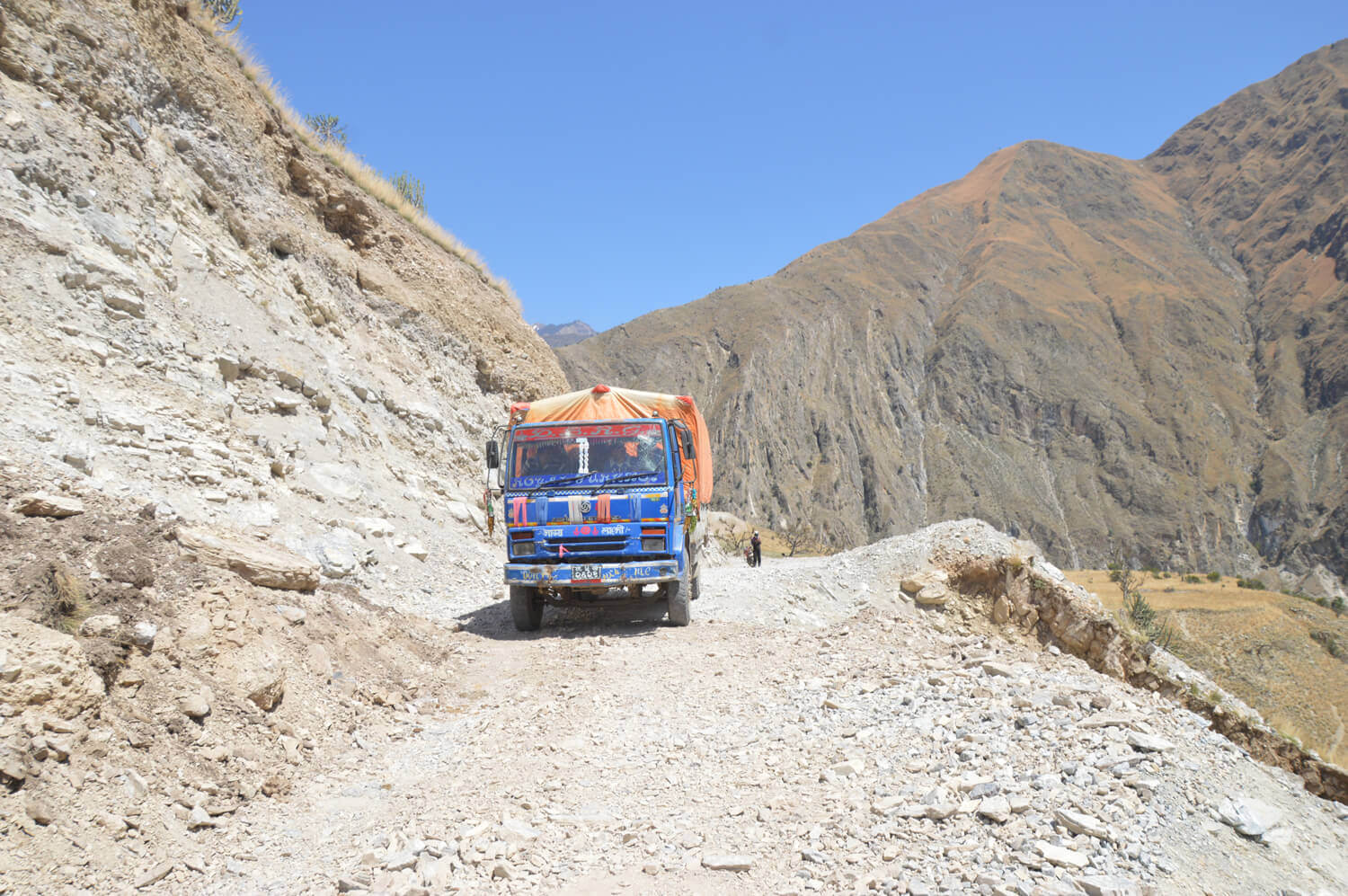
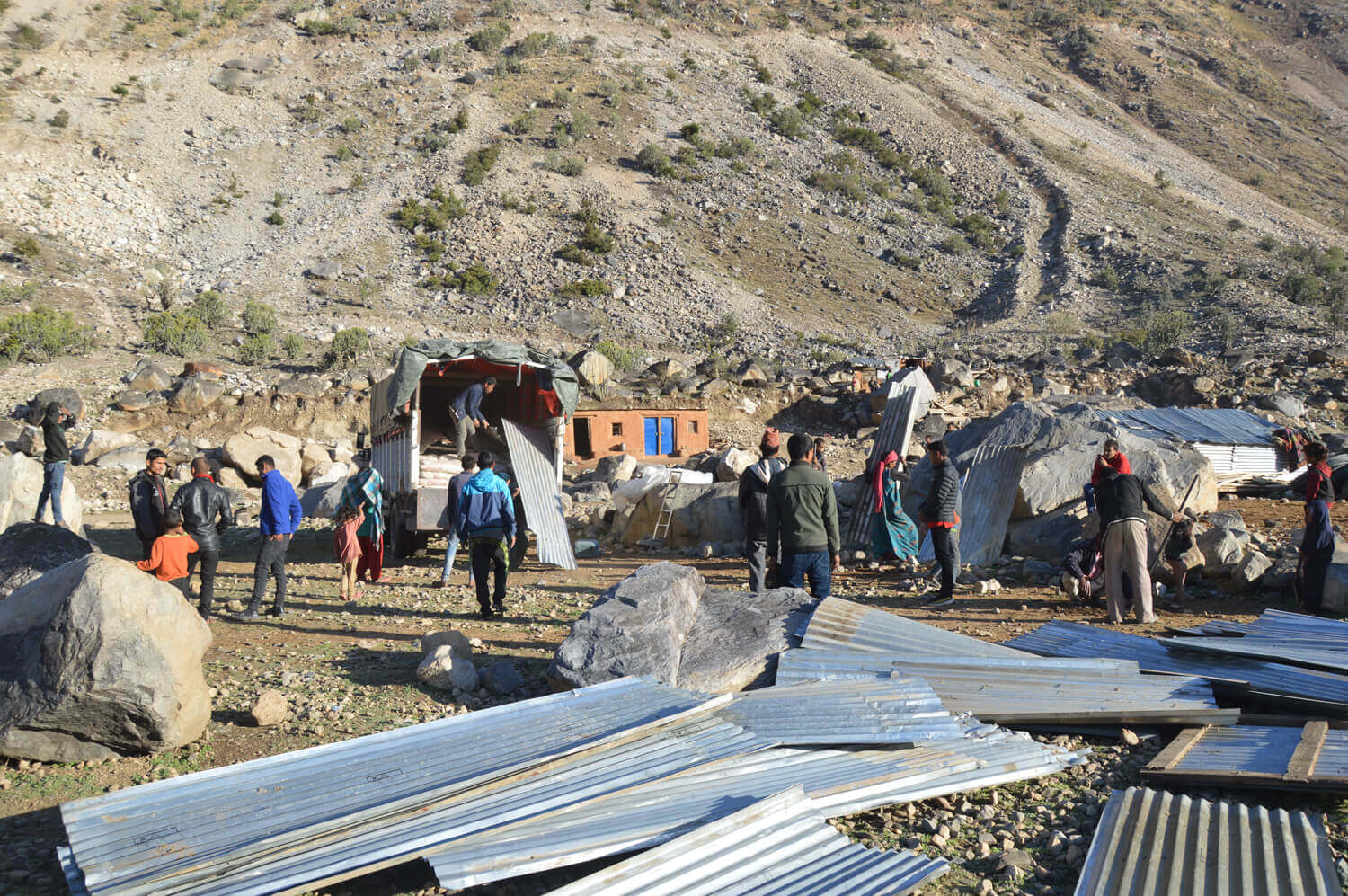
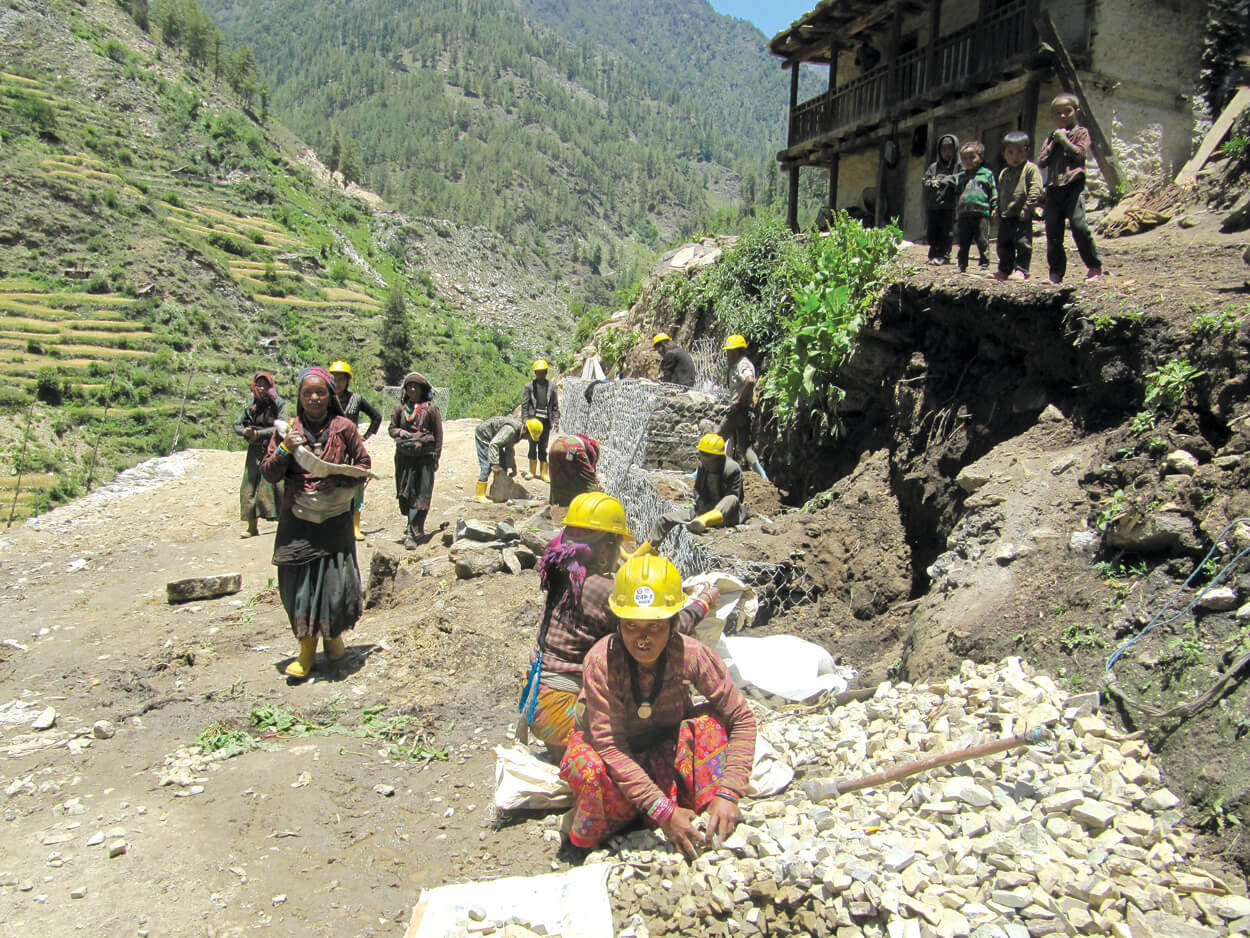
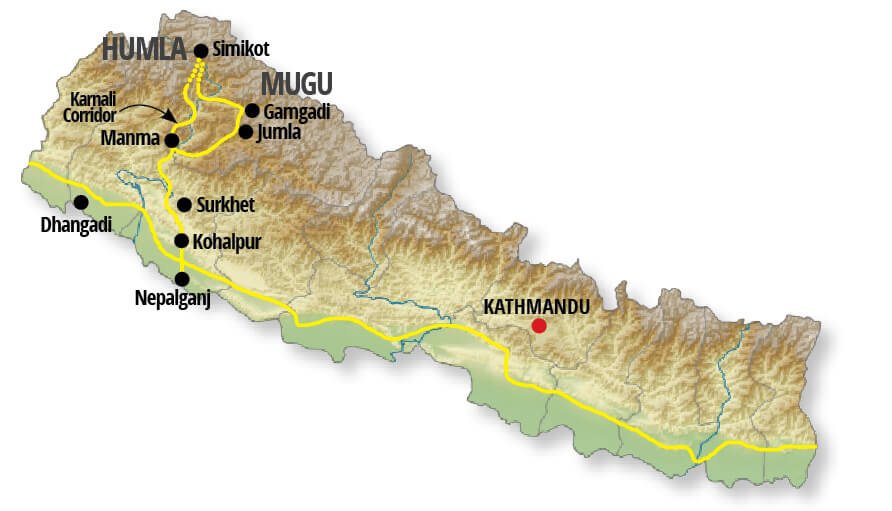
It is mostly women in yellow hard hats you see on the 76km stretch of the Mugu-Humla road that is presently under construction. Humla is the last district in Nepal not yet connected to the country’s road network, and the remote Himalayan district remains economically behind its neighbours.
After many years of delays, building of the road is speeding ahead. Construction of the 5.5m-wide road started in Gamgadi of Mugu district in January, and more than half of the 76km stretch is now motorable. At this pace, it will reach Deuli of Humla by the end of the year, ahead of the completion of the other road linking Humla, the Karnali Corridor (see adjoining article).
“Our idea is not just to build a road, but create jobs during its construction and uplift the economy of the areas it is serving when completed,” explains Sunil Tandukar, field manager of the Rural Access Programme (RAP) which is supported by the British aid group, DfID.
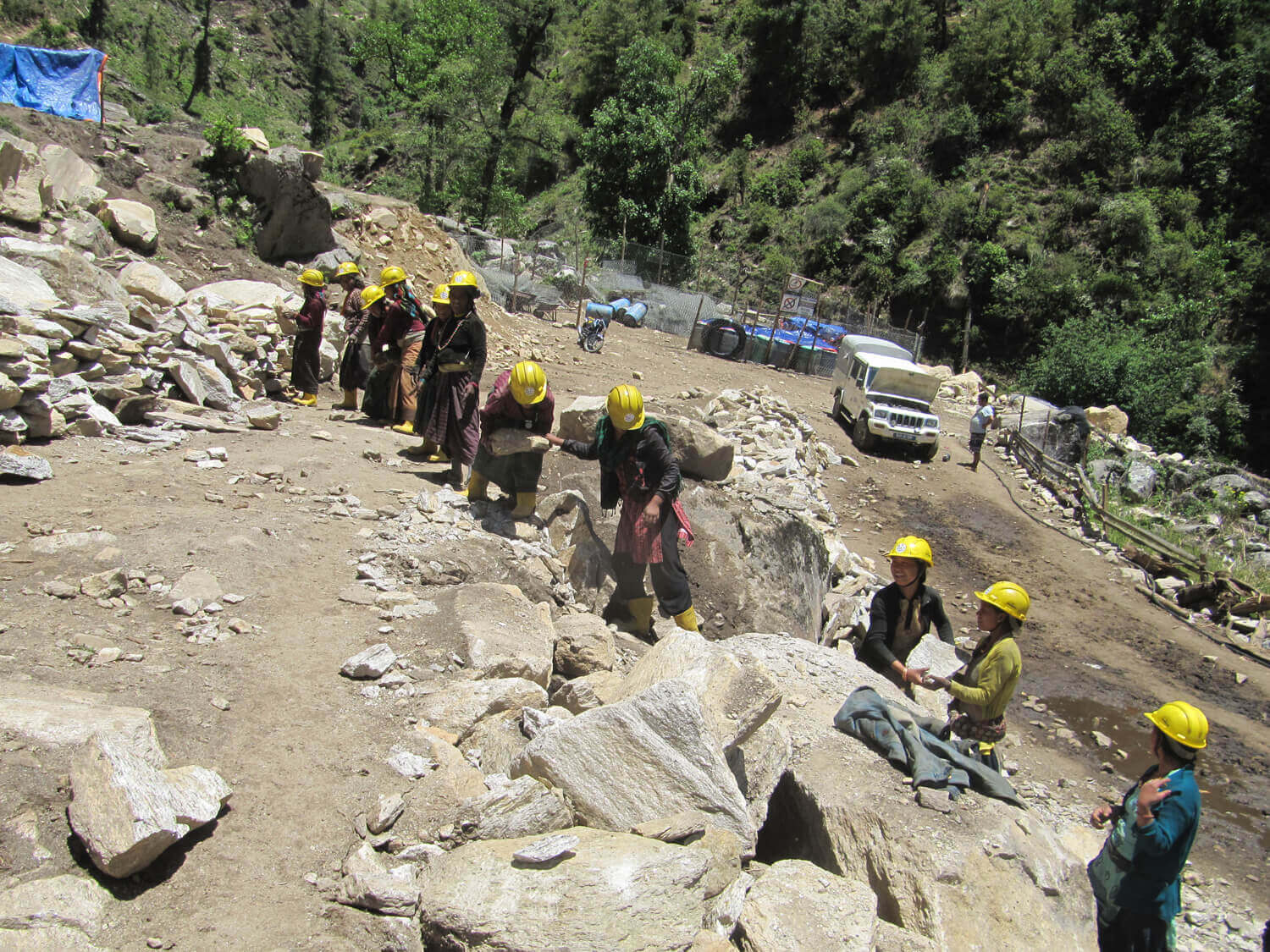
Some 52% of the workforce is made up of women. This is because RAP has a policy to empower women with employment, but also because many of the villages along the way have seen an outmigration of menfolk to the cities or to India for work.
Unlike the indiscriminate road-building spree elsewhere in Nepal, RAP’s other emphasis is to minimise the use of excavators and dozers so as to create more rural jobs. There are now more than 1,500 women workers on the road that is being built at a cost of Rs1.7 billion. Women of Rara Municipality and other villages along the way in Mugu have been earning up to Rs700 a day for the past six months.
“Me and my mother-in-law received Rs21,000 each in the first instalment,” says a beaming Jaula Baduwal, 42, of Baam village, who explains that she finishes household chores in the morning and devotes the rest of the day to road work. The money has come in handy to buy clothes, food and school stationery for her children.
The road-building work has also persuaded Ramkala Baduwal’s husband from migrating to work in India this year. Four members of her family work on the road, earning Rs80,000 since January. “Our men used to migrate to India for work due to poverty. But this year me and my husband are working and earning together. I am happy about that,” says Baduwal. “We women were confined to the kitchen, but this road has given us the chance to come out and earn an income.”
Read also: Life and livelihood in remote Nepal, Jocelyn Powelson
Local elders are overjoyed to see rapid progress on the road. “I had never even dreamed that a road would reach my home, but now it is actually happening. And the villagers got employment too,” says Krishna Bahadur Buda, 64, of Baam. He says he will celebrate the completion of the road by getting on the first bus out to visit Kathmandu.
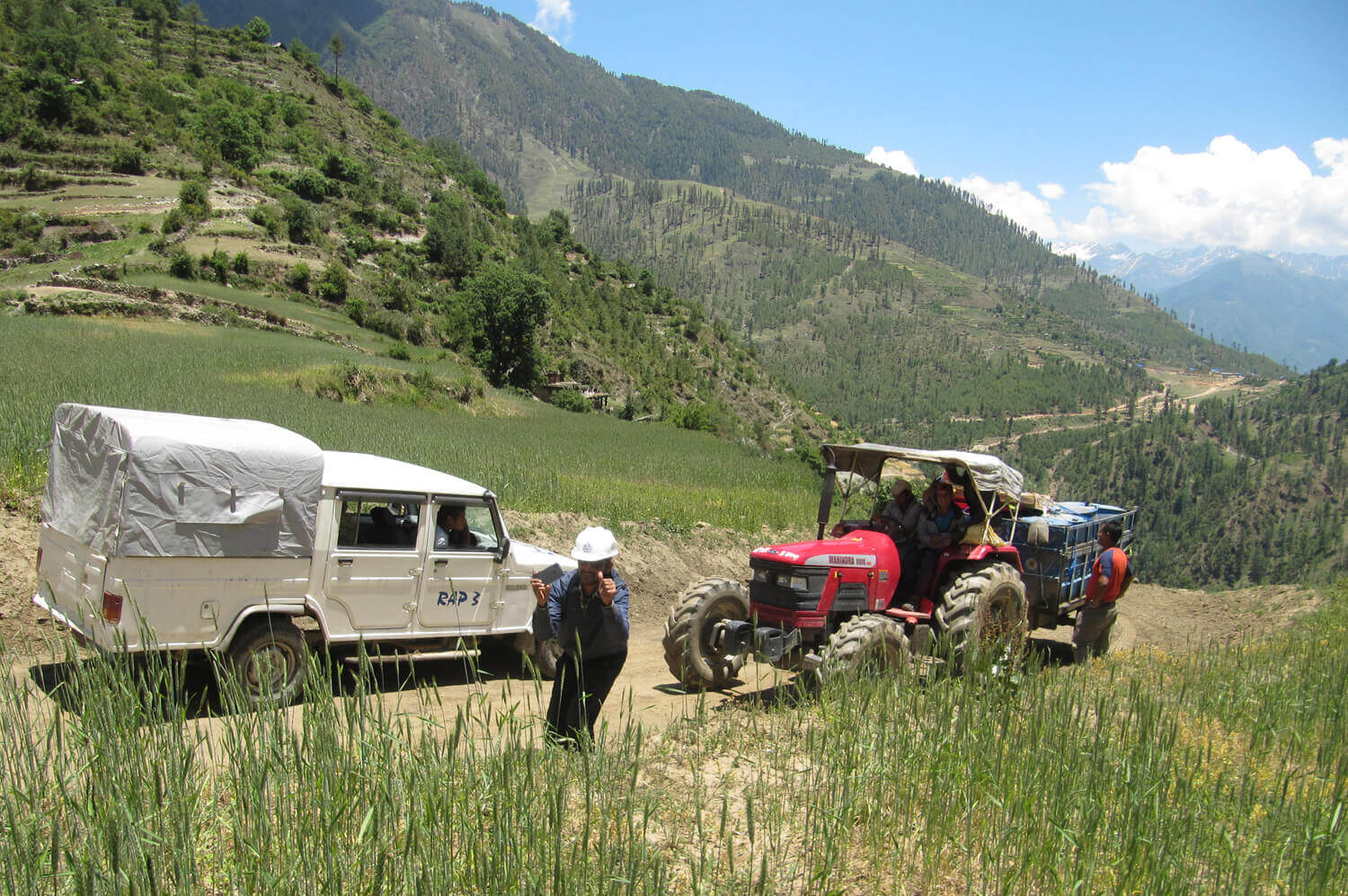
RAP was started in 2000 with the Hile-Bhojpur road, but work stalled during the war. Resuming in 2006, it has provided employment to tens of thousands of farmers as it built roads in Bhojpur, Khotang, Sankhuwasabha and Terathum, and helped organise farmers into cooperatives. In 2011 the successful road-building model was extended to the remote mountain districts of western Nepal.