The Mardi Trek is so wild you don't want to brag about once it is over so it remains that way
The conundrum of writing about a tranquil place not yet discovered by mass tourism is that you become the reason it loses its tranquility. Tourism worldwide has a tendency to despoil a place by ‘discovering’ another new untouched destination.
Many trekkers are now coming to Nepal to get away from places where all you see are other trekkers. More and more, they are going for off the beaten treks to Kangchenjunga, Dolpo or Rolwaling. The Prime Minister is launching a tourism campaign from Rara Lake on New Year’s Day. Who is going to tell him that it may not be such a good idea?
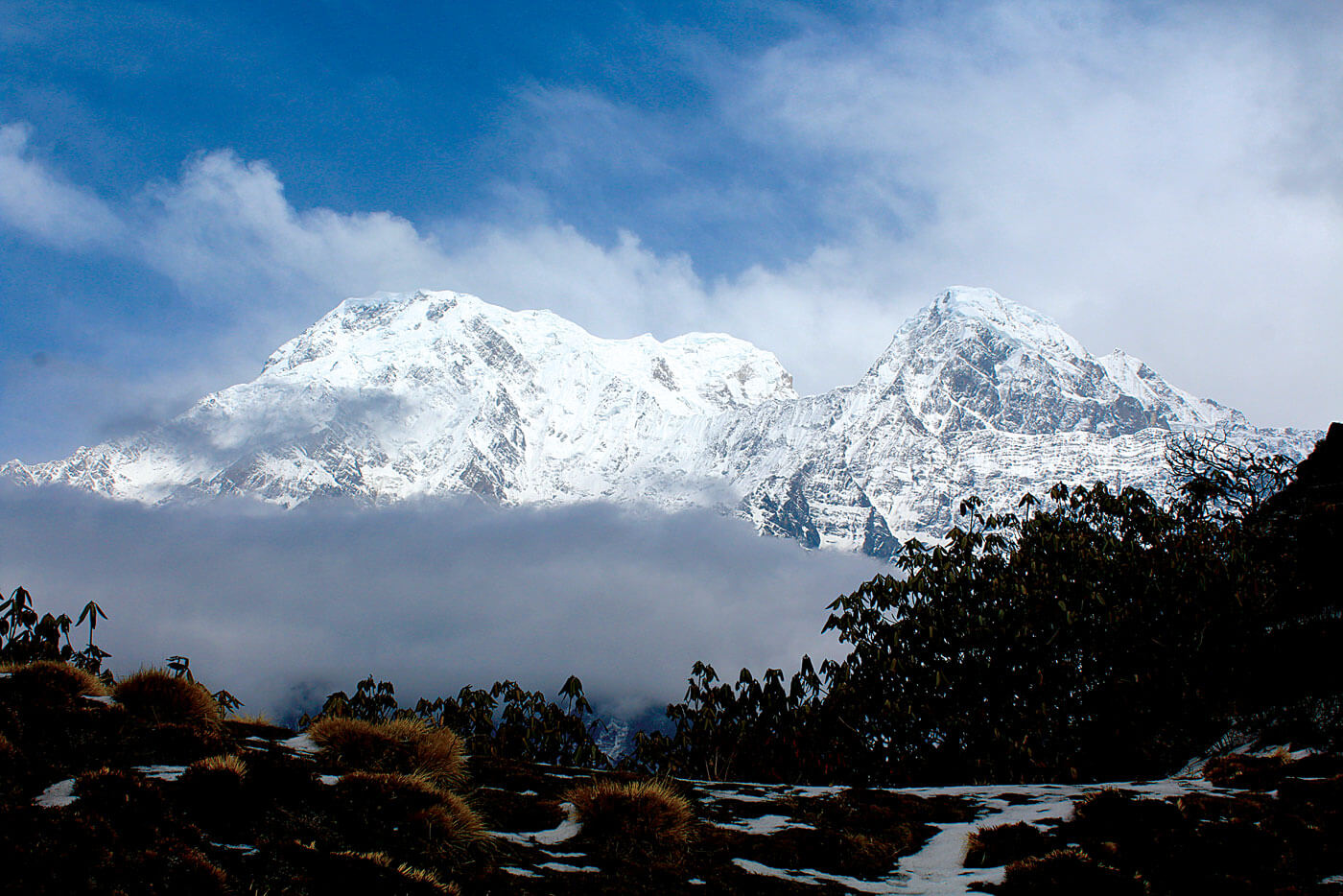
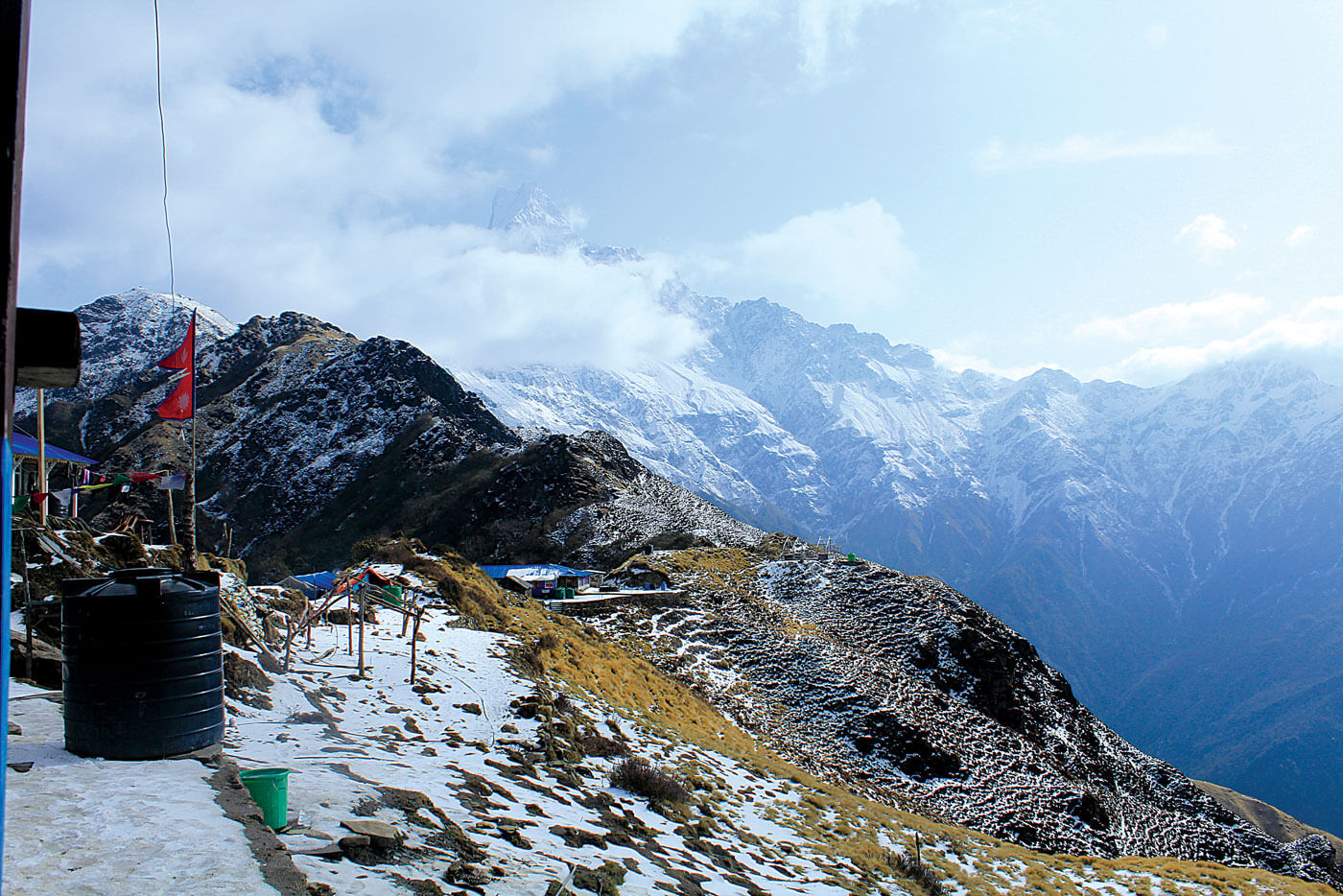
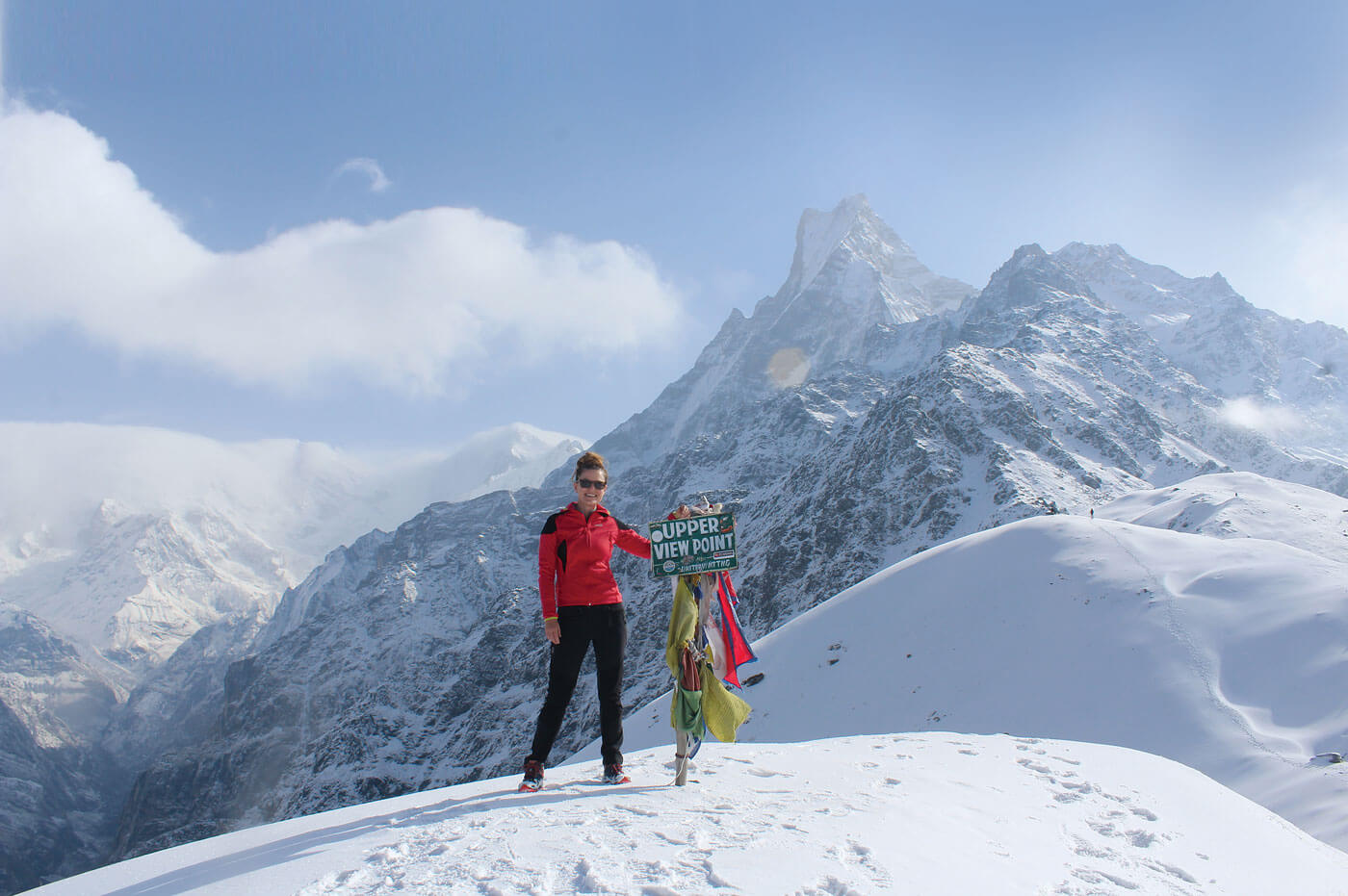
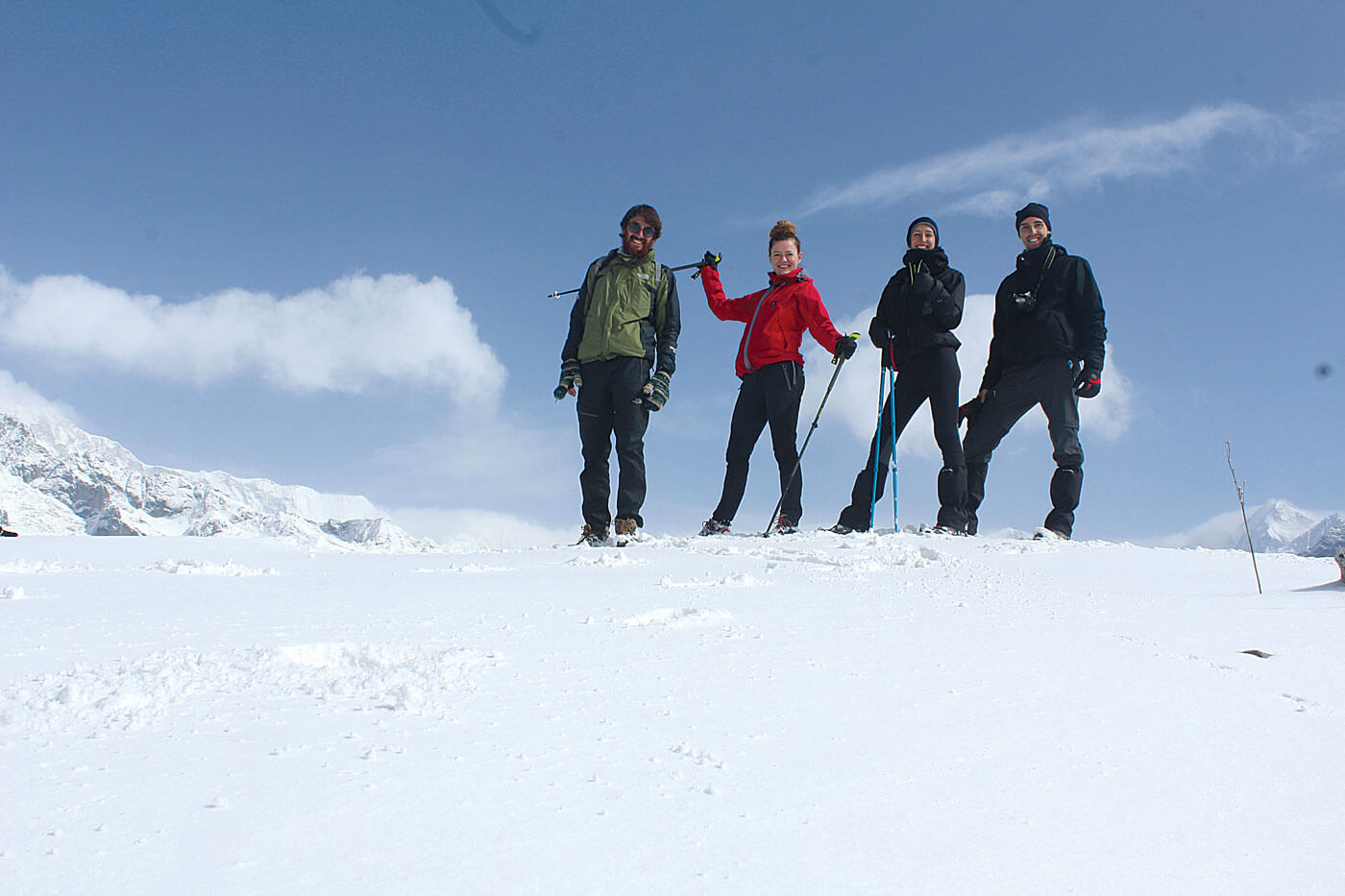
One of Nepal’s hidden gems has always been the Mardi Trek. In fact for many years, those who went on it did not share their photographs, and did not brag about how stunningly scenic the trip was because they did not want hordes of tourists descending (ascending) to its knife-like ridge that forms the southwestern spur of Mt Machhapuchre.
Mardi (rhymes with ‘muddy’ not ‘hardy’) is indeed more out-of-this-world than all other other-worldly places in Nepal, or the planet. It has unbroken vistas, big sky, solitude and wilderness. And the surprising thing is how accessible it is now from Pokhara.
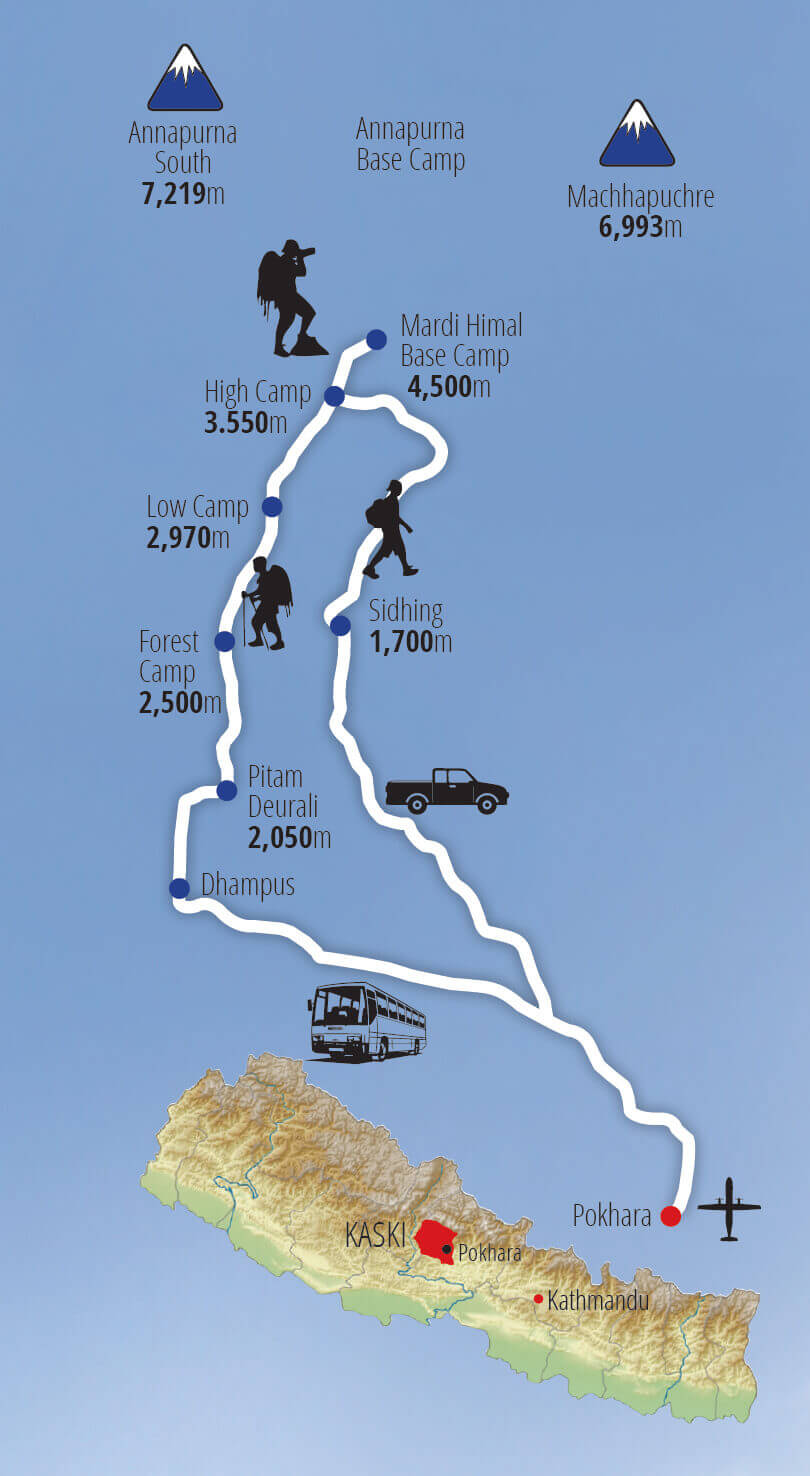
If you start from Dhampus, the Mardi route first follows the Annapurna Circuit for a short bit, then strikes off at Pitam Deurali (2,050m) into and up a ridge ablaze with pink rhododendrons in this season. You walk on a carpet of petals through a fragrant forest.
It takes four hours to reach Forest Camp (2,500m) where there are supposed to be tea shops, but it is deserted. Unlike other popular trekking trails, the tea shops here are spaced more widely and since food has to be portered in, it is more expensive.