With a reduction of the country’s poverty rate, Nepalis are eating more meat and eggs per capita than ever before, improving their nutrition levels and driving a rapid growth of the meat and poultry industry.
Much of this new spending on food was a direct result of remittances being sent home to their families by Nepali workers abroad. Middle class families that ate meat only on weekends, now have it almost daily. Many Nepalis no longer have to wait for Dasain or other festivals to have a meat dish in their diet.
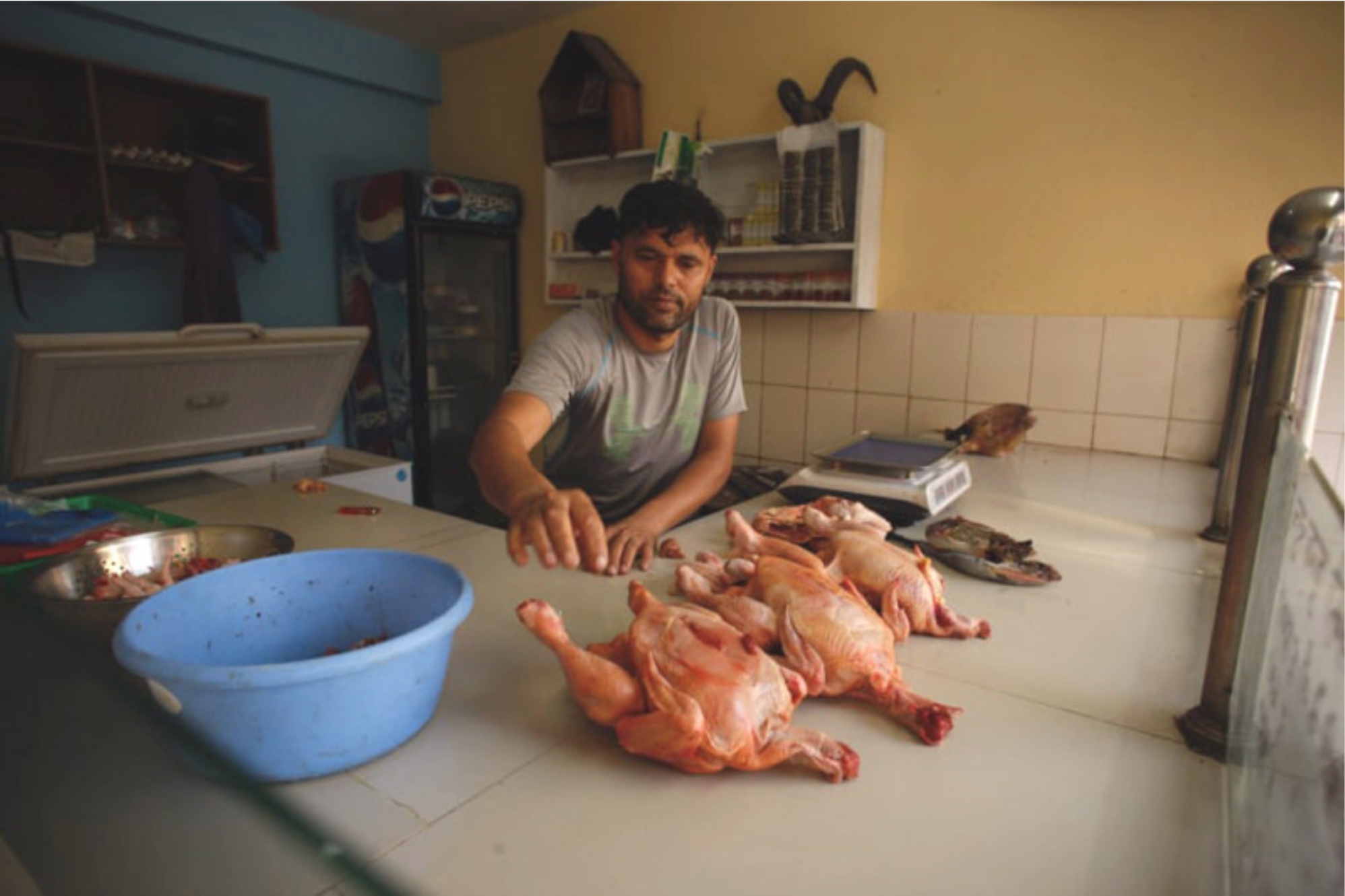
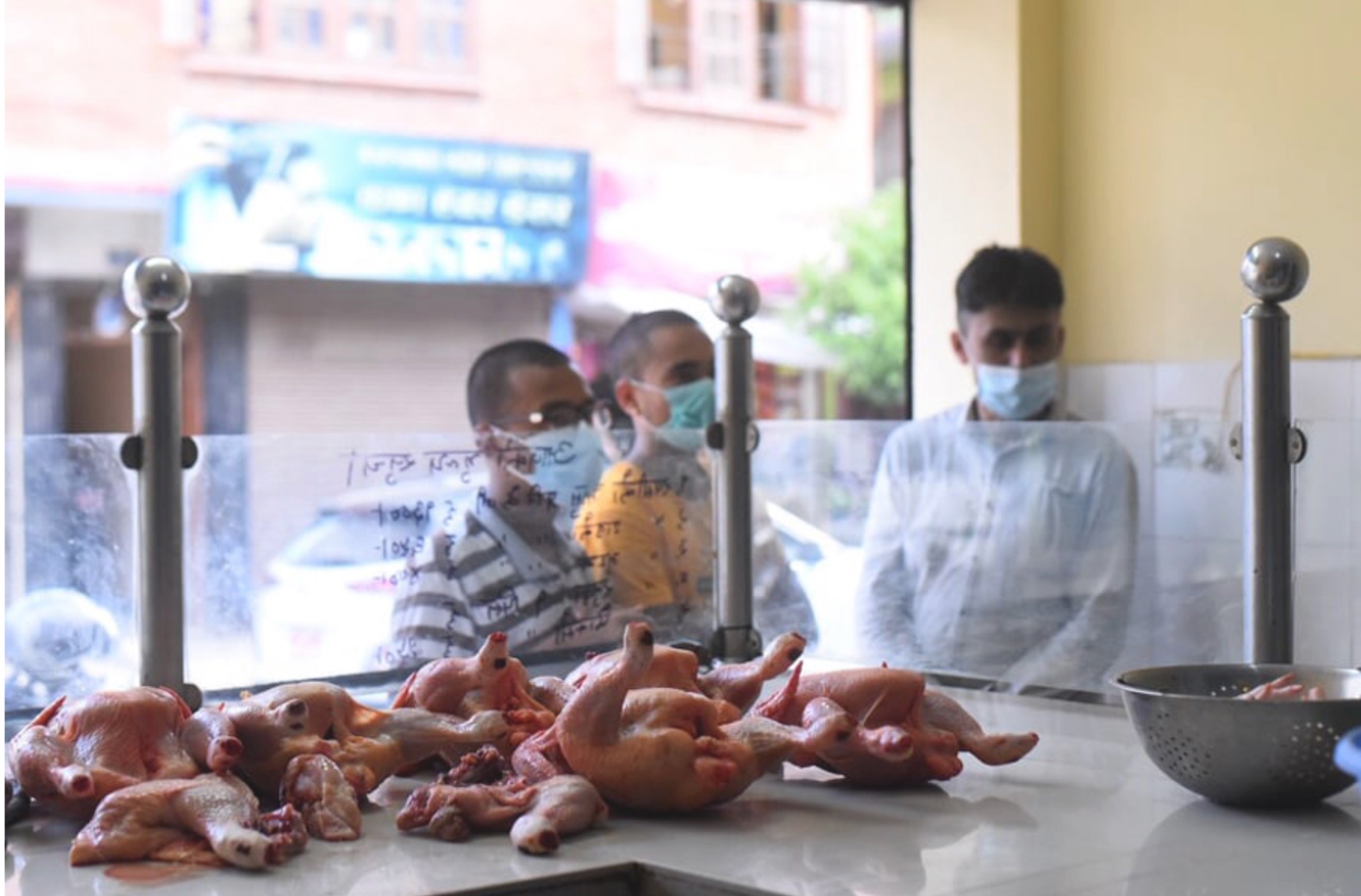
“Meat is no longer a luxury food item for festivals, now it is an everyday item in the household,” says Saksham Ghimire of Valley Cold Store in Kathmandu, which used to sell only 15kg of chicken when it first opened 40 years ago. Today, the store sells more than 10,000kg of chicken daily.
Nepalis consumed 552,000 tonnes of meat in 2020, up from 357,000 tonnes the year before. Average per capita consumption of meat in Nepal has reached 18kg per year — up from 6kg per year in the 1970s. The UN has set 14kg annual per capita meat consumption as the minimum requirement for a balanced diet.
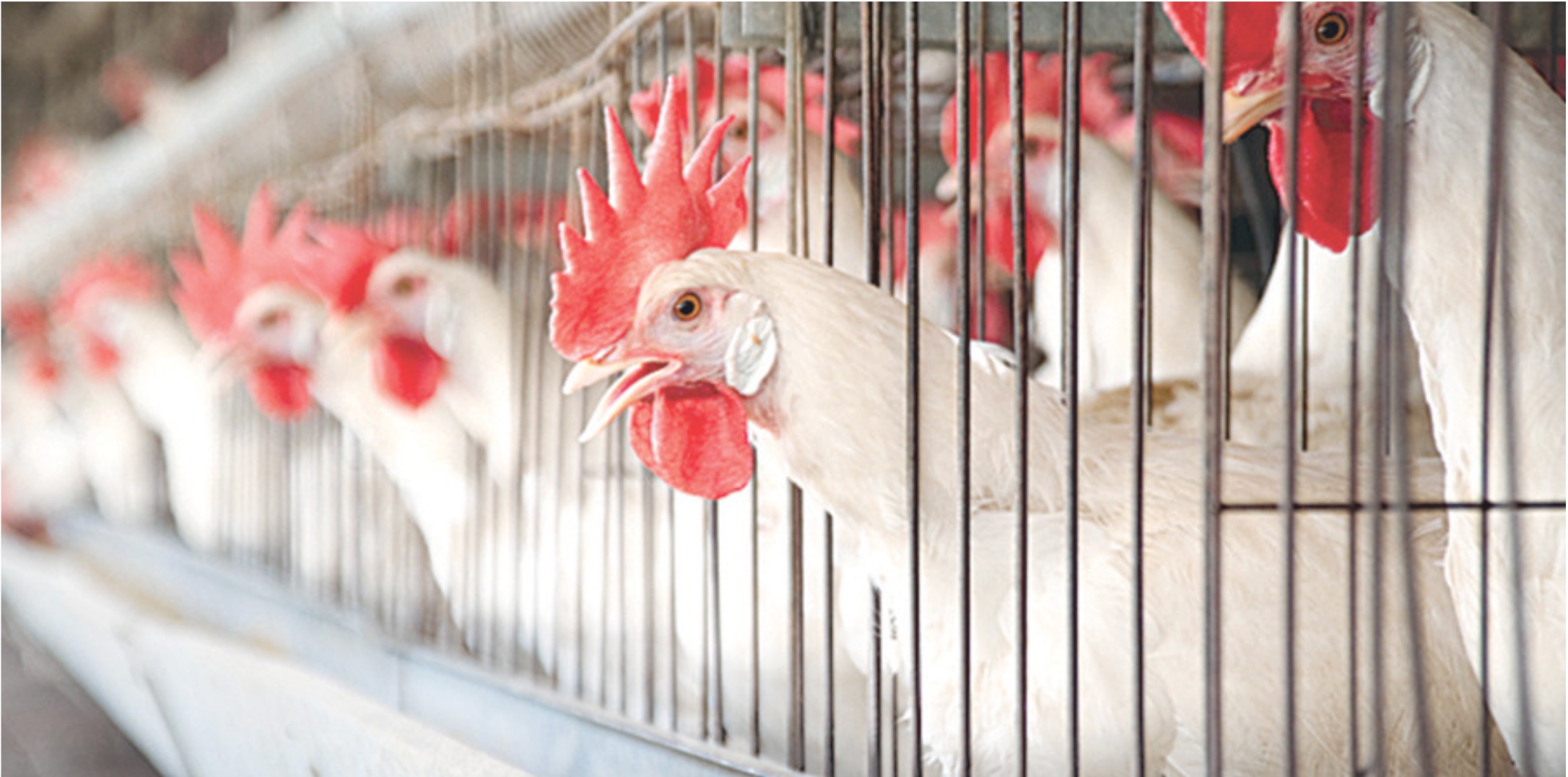
Most of the increase in meat eating has occurred in parallel with the growth of the commercial poultry industry. The first modern farm was set up in Bara in 1960 with the import of new breeds. Since then, the poultry industry has grown exponentially with chicken production rising from 5,200 tonnes in 1981 to 255,000 tonnes today.
About 700,000kg of chicken meat is consumed daily throughout Nepal, and half of it is sold in Kathmandu Valley alone. Poultry meat that used to make up only 5% of national meat consumption in the 1980s has now reached 46%, with Nepalis eating 1.62 billion chickens annually.
There has been a parallel increase in the consumption of eggs, with per capita consumption now 55 eggs per year, compared to the UN threshold of 48 eggs per year for an average person.
Besides improving the dietary intake of Nepalis, the phenomenal increase in the poultry industry has also been a boon to the economy. There are now at least 340 modern hatcheries across Nepal with more than 100 plants that provide feed for the poultry farms.
“The poultry industry has contributed vastly to the country's economic growth and provided employment to at least 500,000 people who would otherwise have to migrate abroad for work,” says Tikaram Pokhrel of the Nepal Hatchery Industries Association. “Requiring little investment and having very few barriers to entry, poultry farming provides opportunities for self-employment.”
Nepal’s poultry industry, however, does face the challenge of reducing production cost to make meat even more affordable, and to compete with cheaper Indian imports. One main reason for chicken meat to become so popular is its affordability — chicken is at least three times cheaper than goat meat and nearly at par with the cost of vegetables.