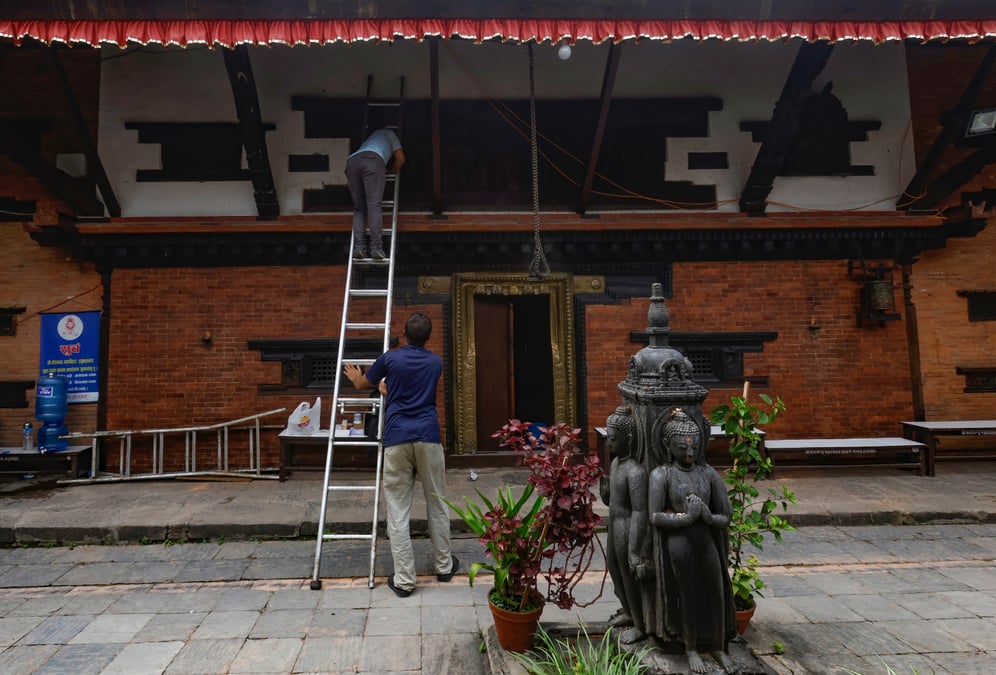
Itumbaha is one of the 18 Buddhist monastic enclaves of Kathmandu with a rich history shaped by the Shakyas of Lumbini, who fled to Kathmandu.
According to legend, the site was built by Keshchandra, the son of a king in the 11th century. The complex retains most of its original layout with monasteries, courtyards, and votive shrines.
After the 1960s, many of Kathmandu’s sacred objects were stolen and smuggled out to collectors and museums in the West. Itumbaha was not spared.
“It is said that there are many artefacts that have been stolen from here, but we do not have any documentation,” says Pragya Ratna Shakya of the Itumbaha Conservation Society.
In 2022, the Rubin Museum of Art in New York returned two artefacts to Nepal after they were found to have been stolen from religious sites in Kathmandu Valley. The anonymous site Lost Arts of Nepal had located the items at the Rubin following which the citizen-led Nepal Heritage Recovery Campaign (NHRC) wrote to the museum for their return.
Read also: Bedrock of Buddhism, Kunda Dixit
One of the artefacts was a 14th-century Flying Gandharva (apsara) from Itumbaha. The Rubin also announced a partnership with the Itumbaha Conservation Society and Lumbini Buddhist University (LBU) to ‘research, preserve, and display the collection of one of the oldest, largest, and most important monasteries in Kathmandu, Nepal’.
“While working on the return of the apsara, the Rubin expressed an interest in helping the community in any which way it could,” recalls Swosti Rajbhandari, a Museology lecturer at LBU who mediated the collaboration.
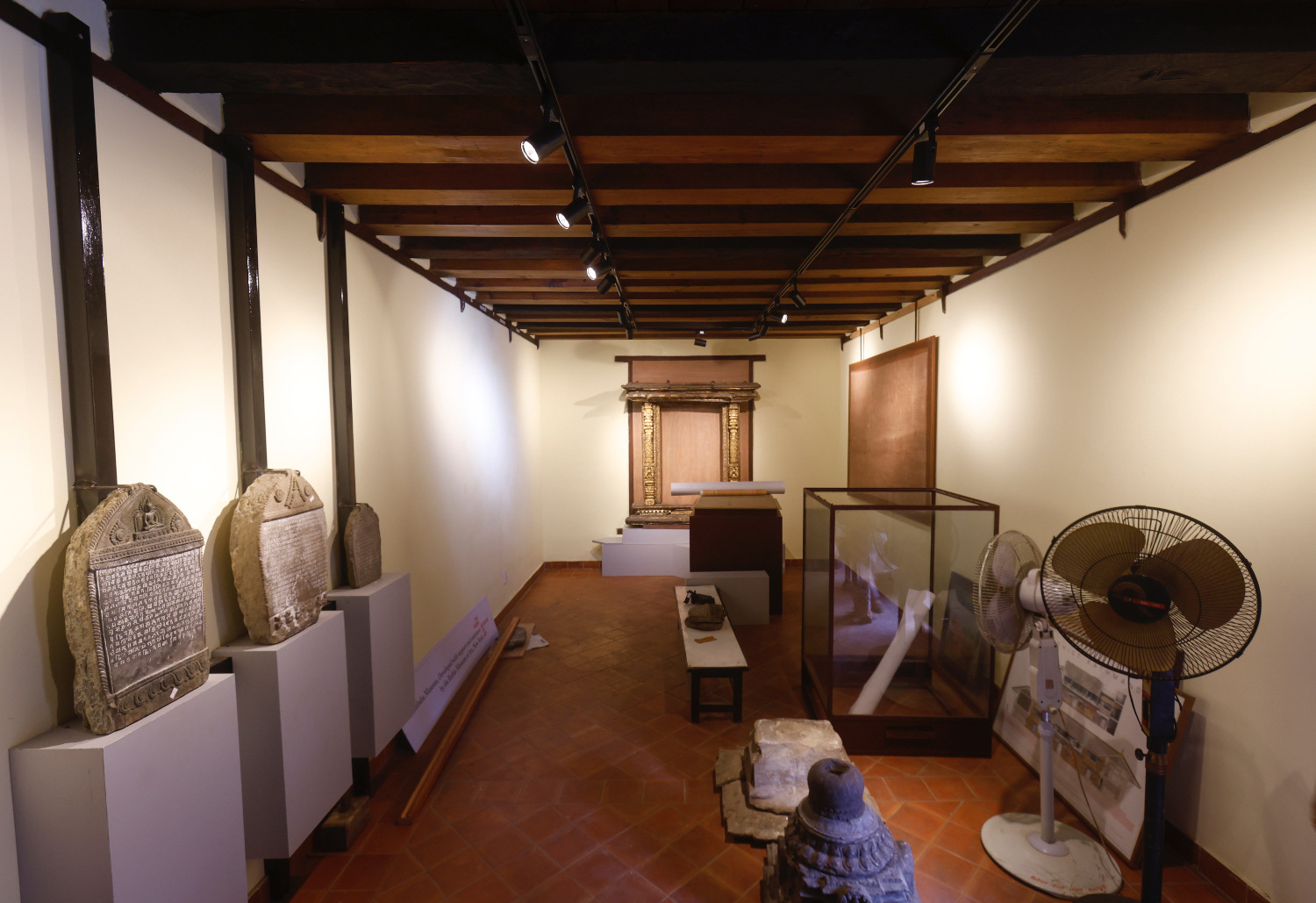
The Itumbaha Conservation Society wanted to use vacant spaces to display its collection, and the Rubin contributed $20,000 for a three-room display. Rajbhandari and her students cleaned, researched, and catalogued some 500 artefacts.
The Itumbaha Museum was set to be inaugurated on 29 July with nearly 150 of the documented objects on display.
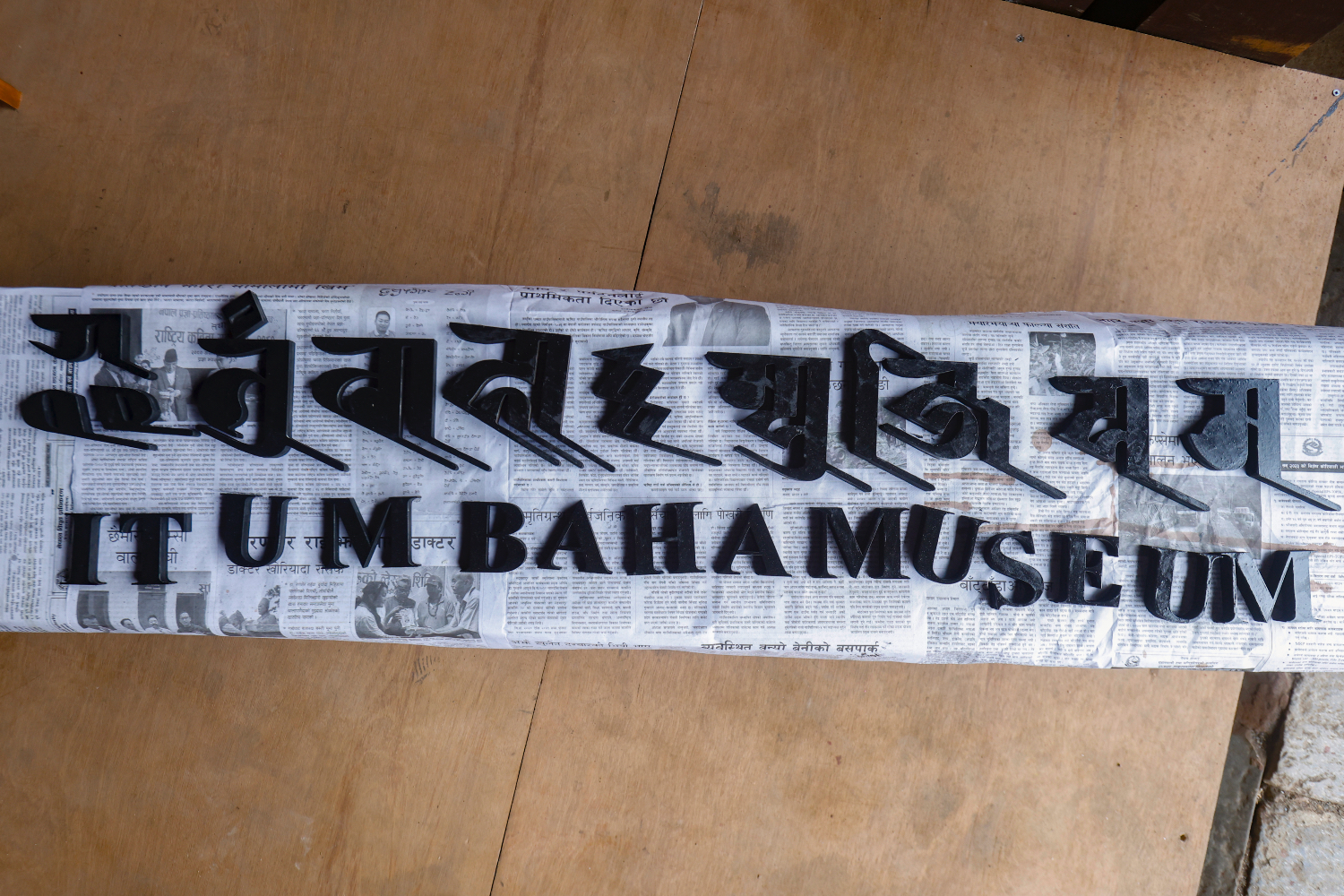
The museum concept has been two decades in making, ever since the vihara was being restored in 2003. To construct the museum, the Itumbaha Conservation Society had previously approached Kathmandu Metropolitan City (KMC) when Bidya Sundar Shakya was the mayor. Although they were promised a budget, the community never got the money.
Pragya Ratna Shakya sees the museum as an attempt to save its heritage. “There is no point keeping the objects hidden in storage,” says Shakya. “If we display them, there is documentation including photographs and that will hinder theft. It will also help in claiming the artefact if it is stolen.”
The Rubin Museum says it is seeking opportunities for meaningful exchange of knowledge, experience, and perspectives across Nepal and the Himalayan region.
In an email interview from New York, Jorrit Britschgi, Executive Director of the Rubin Museum, who is traveling to Nepal for the inauguration, told Nepali Times: “For us, our return of the Garland Bearing Apsara demonstrates our commitment to continual collection, research, and our support of Itumbaha’s vision for these galleries is an example of what a return can lead to.”
Swosti Rajbhandari, who is helping curate the museum, says that this is a positive step and can contribute to the repatriation of stolen artefacts. She says, “Lain Singh Bangdel said that more than 80% of Nepal’s best work is abroad. The reason we have not been able to bring them back is because we don’t have documentation and proof to show that they are ours. This can be a start.”
Yagyaman Pati Bajracharya, intangible heritage conservationist and Buddhist priest, agrees that having a space to showcase the artefacts of the vihara is a positive step. “This will help the younger generation, educators, and researchers from all over the world learn about our culture and heritage,” he says.