

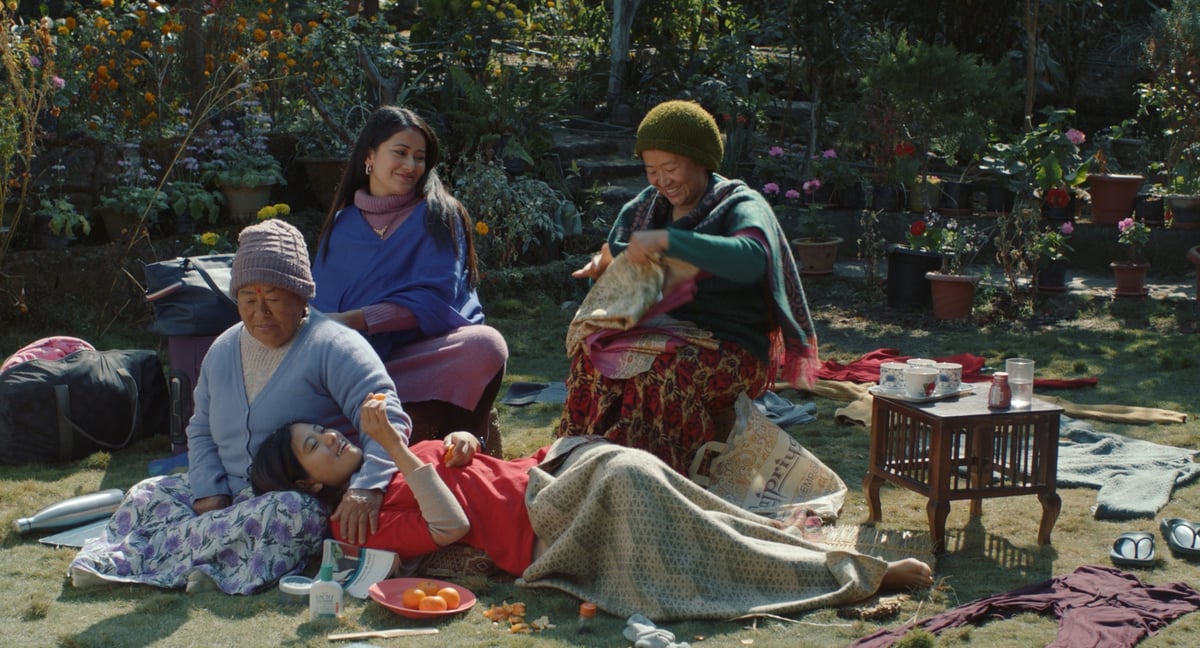
Think of a South Asian household made up entirely of women. Does that paint a perfectly ordinary picture, or does it make you pause for a second too long?
The possible discomfort in imagining this comes from the absence of a man, and in societies like ours, a home without a ‘head’ man or a male ‘provider’ still triggers suspicion, judgement, or unsolicited sympathy.
Societies are getting progressive but patriarchy is far too deeply woven into our social fabric. Schools here still instinctively ask for the father’s name when it comes to guardianship, and institutions still treat fathers as a default point of legitimacy. The script is similar when a family has just daughters or if they are the only daughter.
“What about a son?” they say. “Now you’ll have to become the son of the house.” This is followed by dramatic sighs from distant relatives. A daughter is a daughter; she does not need to be a son. She is the daughter of the house. That should be enough.
Tribeny Rai’s feature fiction Shape of Momo lays bare this emotional weight carried by countless women, weaving together themes of patriarchy, gendered expectations, women’s agency, and the complexities of familial relationships that feel harshly familiar.

At the heart of the film is a household of intergenerational women in rural Sikkim, navigating constant scrutiny simply because there is no man in the family. The tension sharpens with the return of Bishnu (the youngest daughter) from Delhi, whose refusal to conform unsettles not only the rigid expectations of a village society, but also the deeply internalised traditions that the older women in her own family have learned to settle within.
Bishnu challenges the idea that women must endure, adjust, and remain silent in a male-dominated society, and her rebellion becomes a disruption of the ‘normal’. Through each generation, the film paints different shades of womanhood: a grandmother spending her final years waiting for a son to come around, a mother burdened with holding the family together while still having to depend on men, an elder sister who has surrendered her dreams and identity to an unhappy marriage, and the youngest who is desperately trying to break free from the cycle.
Even Bishnu’s female cat, Azadi, is not spared from the weight of these prejudices, dismissed as a burden for giving birth to a large litter, and unfavourably compared to a tomcat. Ironically, her name itself hints at the freedom and social shackles that linger in the narrative.
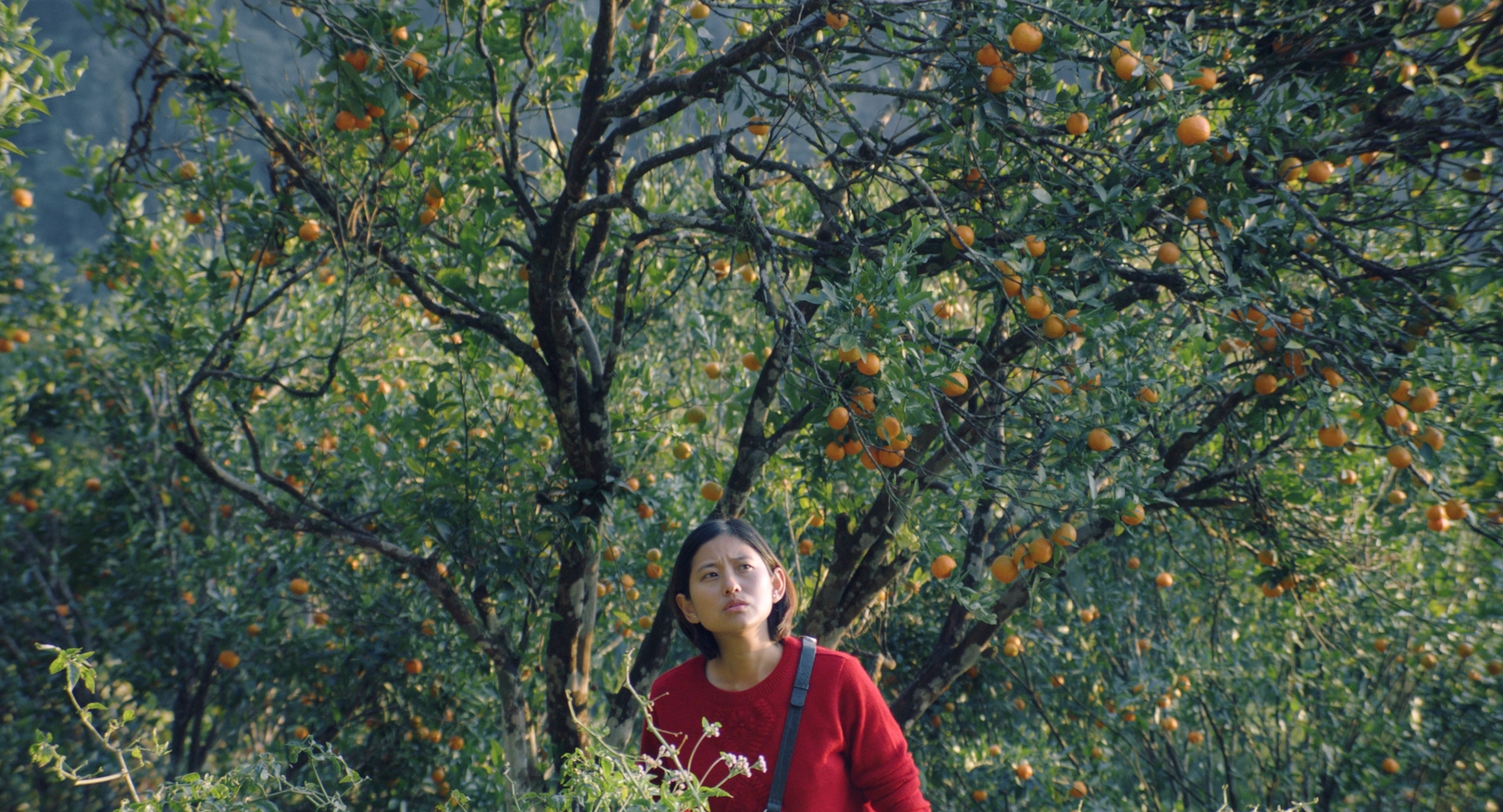
The subtle yet strong symbols of how deeply misogyny is embedded into everyday life are ever-present in the film, but none stand out quite like momo. The dumplings here represent the language of intimacy, shared laughter, bonding among the women in the family, folded and cooked together with care. But, the women in the family are expected to master the perfect half-moon fold while Bishnu’s momo are not shapely enough. Bishnu argues that momo are meant to be eaten, and it does not matter if they are pretty or not.
This seemingly harmless culinary expectation mirrors the demand for women to be polished, obedient, and ‘shaped’ to fit society’s approval. In contrast, Bishnu’s momo and even her uncontained, rather relaxed form by the river, become acts of resistance. A reminder that women, like momo, are not meant to be standardised. Women can be messy, loud, imperfect, dominant — and still whole.
Shape of Momo is Tribeny Rai’s debut feature, a slow-paced, visually rich coming-of-age film set in the Himalaya, using natural blue and green landscapes to reflect the quiet struggles of women in the region. The film has gained international recognition and awards, its message universally resonant.
The film is set for a theatrical release in India and Nepal on 29 May.
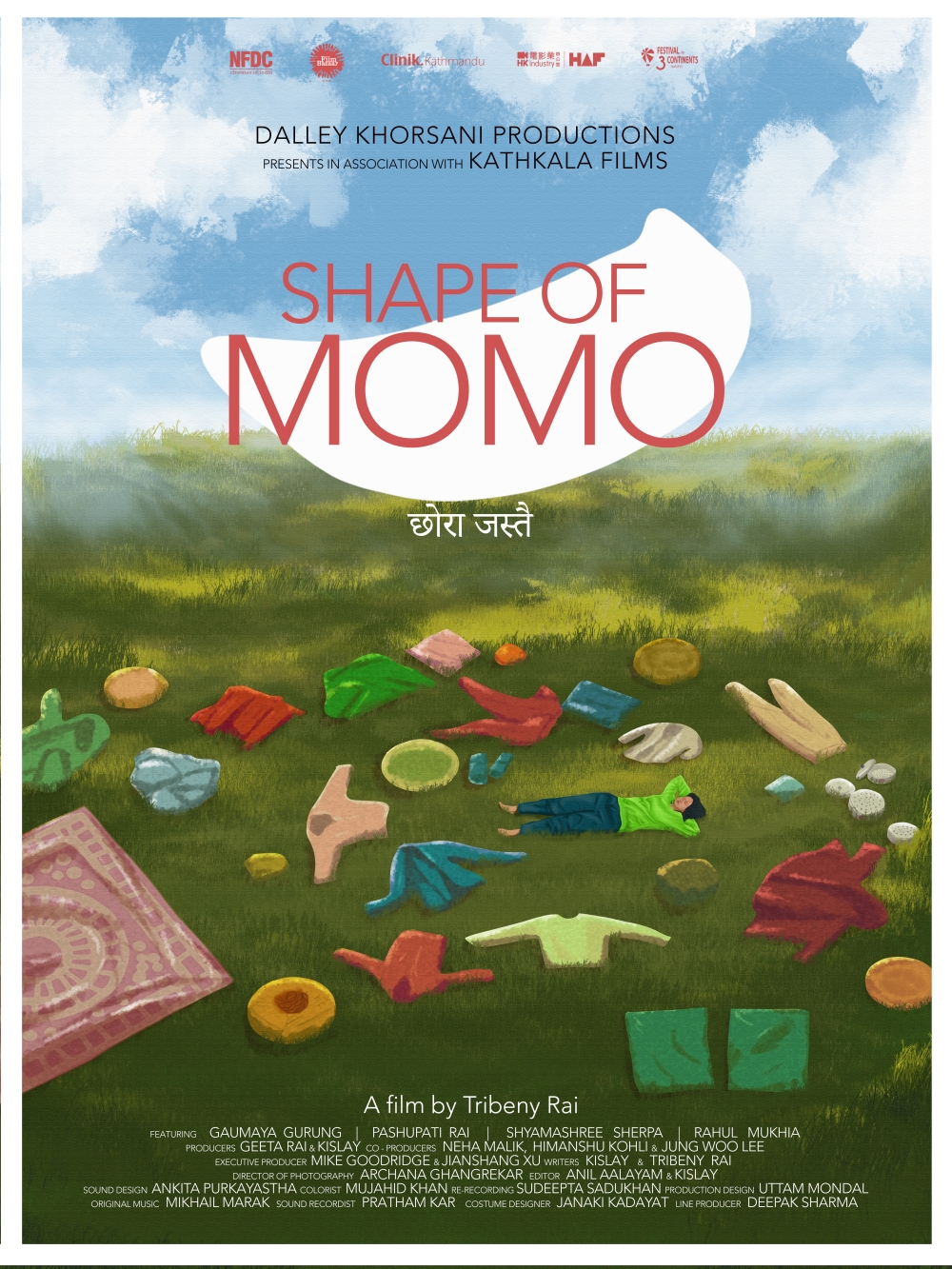
Shape of Momo
Directed by Tribeny Rai
114 mins
Global Stories, Local Voices at Kimff 2026
The 23rd edition of the Kathmandu International Mountain Film Festival (KIMFF) is set to celebrate global and Nepali cinema from 27-31 May with more than 50 films from 29 countries. With its theme Global Stories, Local Voices, this year’s line-up will explore climate justice, migration, identity, and the resilience of remote communities.
The festival will kick off with the Nepal Premiere of Indian director Tribeny Rai’s award-winning film Shape of Momo (review below, left).
KIMFF this year will also celebrate 70 years of bilateral relations between Nepal and Switzerland with the Alpine Alliances: New Wave of Nepali Cinema panel featuring Nepali filmmakers at Swiss film lab and festivals. The festival will also mark 70 years of Nepal and Japan’s diplomatic relationship with a screening of Sakamoto Junji’s feature film Climbing for Life (review above, left), which tells the story of Junko Tabei.
The festival will feature a panel discussion What’s In a Story – Cinema and Censorship, as well as the second edition of Kathmandu DocLab, an incubator designed to foster South Asian talent.
“We hope the line-up of films and events will entertain audiences and engage them in critical conversations in and around issues that affect the Nepali public,” says festival director Ramyata Limbu.
See the schedule here