
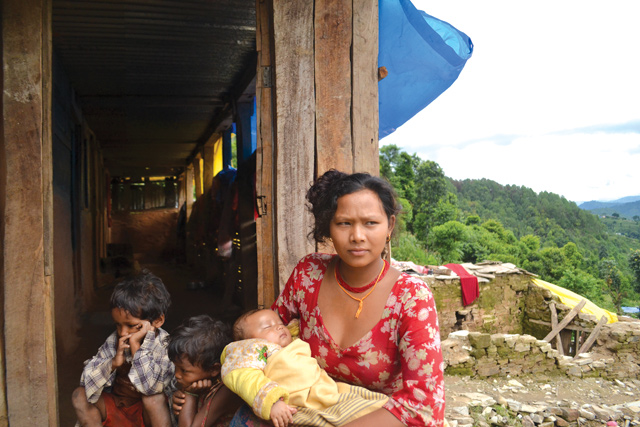
The world recorded an all-time low under-five deaths in 2019, but the COVID-19 pandemic has resulted in major disruptions to health services that threaten to undo decades of hard-won progress and put millions of additional lives at stake.
There were 5.2 million children who died of preventable causes last year, compared to 12.5 million in 1990. But UNICEF, the World Health Organisation (WHO) and World Bank say the pandemic may force the mortality rate up again.
“The global community has come too far towards eliminating preventable child deaths to allow the Covid-19 pandemic to stop us in our tracks,” says Henrietta
Fore, UNICEF Executive Director. “When children are denied access to health services because the system is overrun, and when women are afraid to give birth at the hospital for fear of infection, they, too, may become casualties of COVID-19.”
Indeed, although SARS-CoV-2 seems to spare the younger population, disruptions in medical care and in the supply chain for essential medicines is leading to a spike in non-coronavirus fatalities among children.
For instance, the under-5 child mortality rate in Nepal had declined substantially from 271 deaths per 1,000 live births in 1969 to 31 in 2019 -- a dramatic 78% reduction from 1990 levels.
Health services to prevent or treat causes of child death such as preterm, low birth weight, complications during birth, neonatal sepsis, pneumonia, diarrhoea and malaria, as well as vaccination, have played a large role in this progress.
But following Covid-19 lockdown, Nepal saw a 30% increase in the number of under-fives who have died in the March-April-June this year compared to the same period last year – mainly due lack of transport to take sick children to hospital, or reluctance to seek medical attention because of the fear of the virus.
A rapid assessment conducted by UNFPA in coordination with Family Welfare Division during the initial phase of the lockdown period in Nepal also reported more than 60% decline in antenatal visits and 35% decrease in institutional delivery as compared to before the restriction.