They ate rats with rotten rice, were ravaged by malaria and beaten by their Japanese captors. Only four of the 300 Nepali prisoners of war captured in Singapore and transported to camps in Indonesia survived. Bal Bahadur Basnet, now 98, was one of them.
The British Gurkha defending Burma from Japanese invasion during the Second World War had to flee to Malaya, and were captured as Singapore fell. Those who refused to surrender were executed.
First they were taken to Java, where the white soldiers were put in one camp, while the Indians and Nepalis were kept in dirty, insect-infested cells with little food.
“On empty stomachs we were made to work carrying heavy loads, and had to bury the bodies of our friends,” Basnet recalls, adding that punishment for disobedience was to have nails hammered into their foreheads in front of fellow prisoners.
Soon, the Japanese crammed the soldiers into vehicles and ships and took them to Java, then five months later to camps in New Guinea, where hundreds of prisoners survived eating coconuts and even grass. Many contracted malaria, while others died with painful boils all over their body.
Read also:
Ex-POWs get £10,000, Ramesh Poudel
"War is the worst of all things", Nepali Times
Only four Gurkhas who were brought to New Guinea survived. “The dead were the lucky ones, those who were alive worried that there would be no one to bury them after they died,” remembers Basnet.
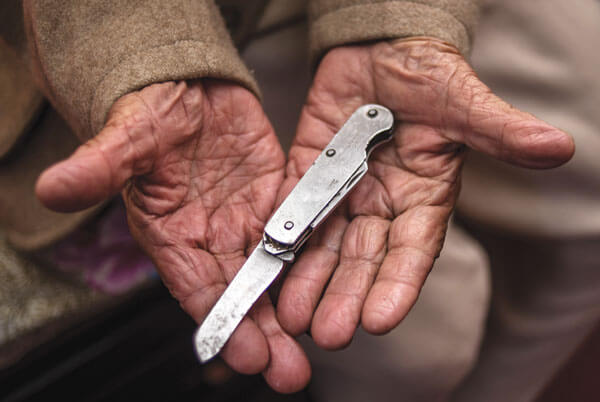
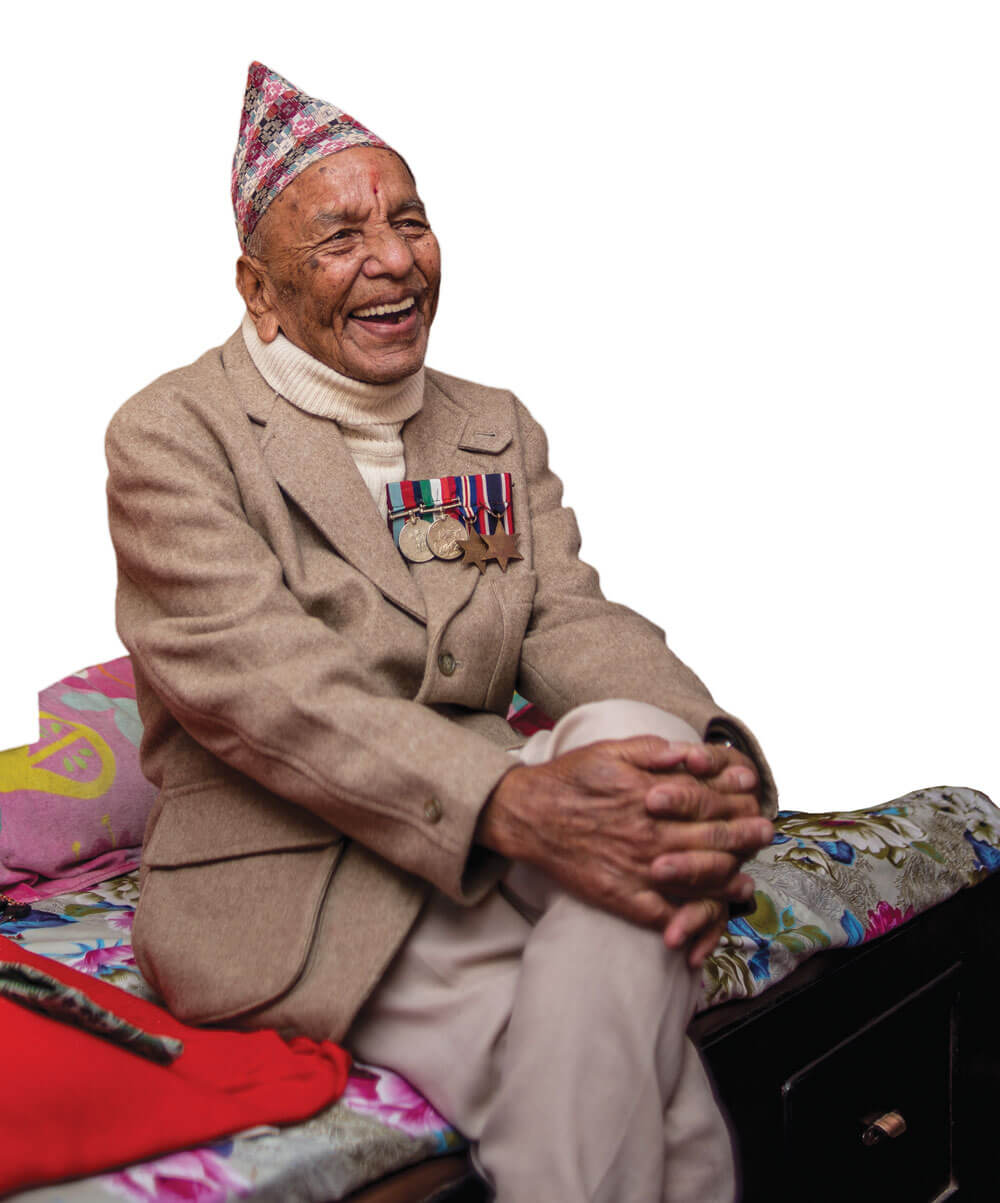
Basnet (pictured, left, and with a knife that survived the war, above) was good with scissors, so the Japanese made him the camp barber. He talked to his captors in broken English while he cut their hair, and remembers the Japanese were confident they would win the war.