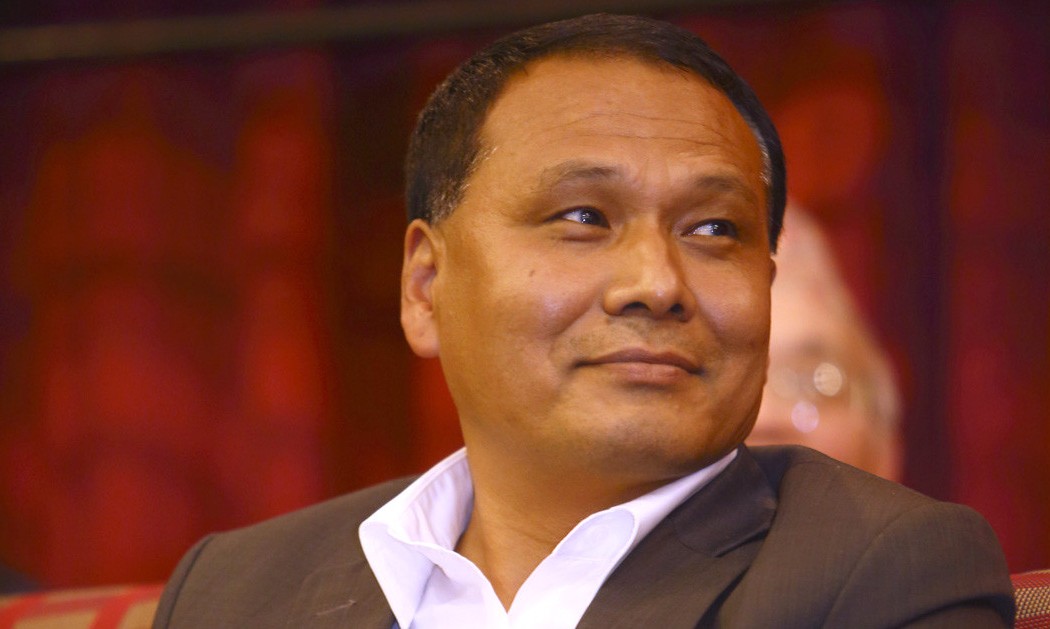
Kulman Ghising, the man widely credited with ending daily 14 hours of power cuts is due to step down next month after four years as head of the Nepal Electricity Authority (NEA). His term can be extended by another four years, but powerful businesses whom Ghising targeted as well as their political patrons want him replaced.
Ghising is a no-nonsense electrical engineer who knew exactly why Nepali consumers were suffering crippling power cuts, and went about systematically reducing pilferage, and cutting off 24-hour dedicated feeds through which his predecessors had been providing businesses low tariff electricity in return for kickbacks.
He expedited hydropower projects that had been languishing, confronted locals who had obstructed the construction of transmission lines, imported power from India to meet winter shortfall and exported electricity during the monsoon surplus.
Most Nepalis did not care how he did it, but regard him as a saviour who took them from darkness to light.
But as his four-year-term comes to an end, there are those who are envious of the enormous public respect he has earned, as well as others who benefited for years from NEA’s favours and want him out.
Through all the smear campaigns against him, Ghising has held fast to his conviction that Nepal’s path to prosperity lies in generating enough power so Nepal’s 30 million people can switch to electrical appliances, manufacturing and transport, and reduce the growing dependence on petroleum imports.
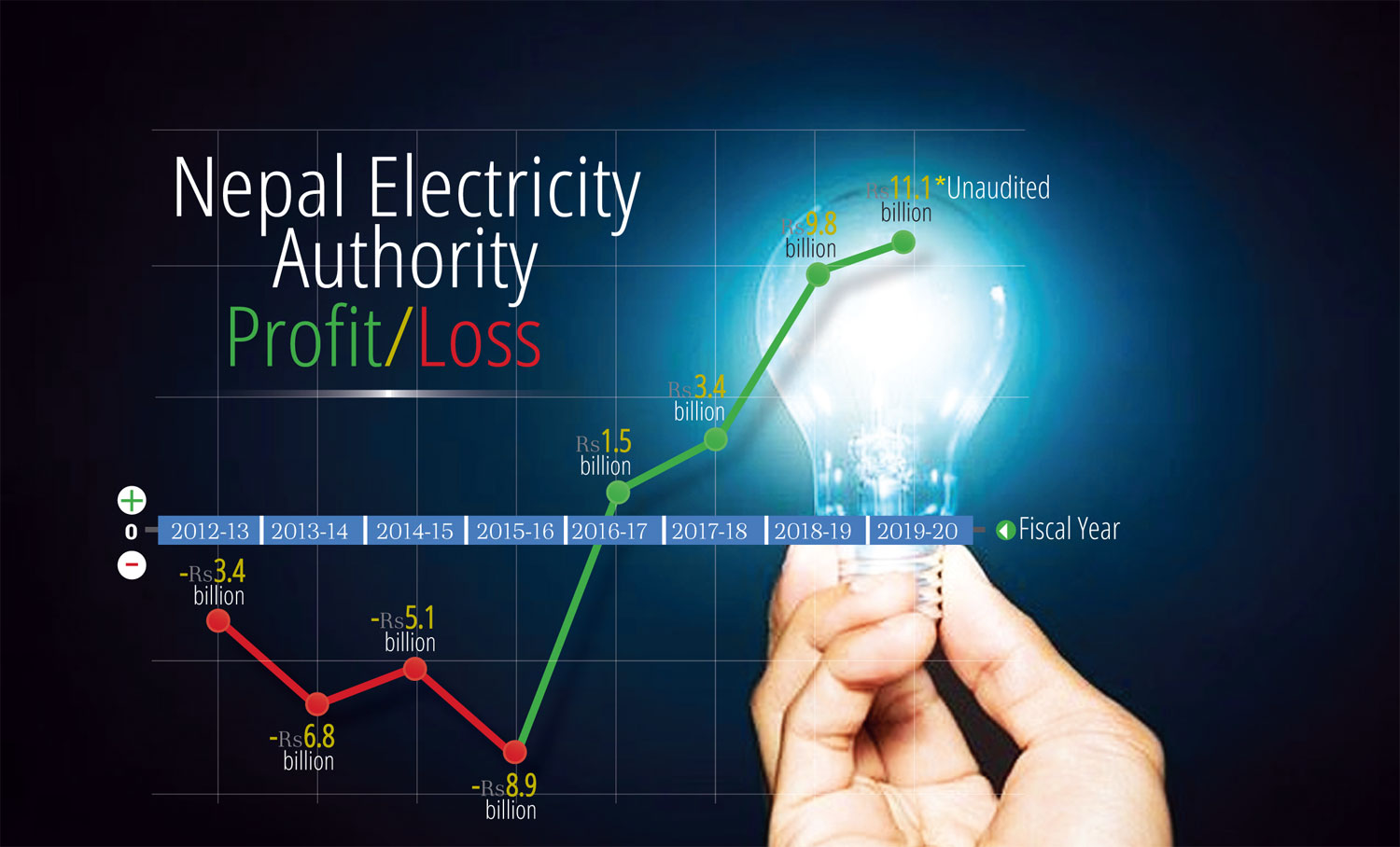
The statistics say it all. From 2012 to 2016, when Nepalis faced the longest periods of load-shedding, the NEA cumulatively lost Rs25 billion. The greatest annual loss of nearly Rs9 billion was in fiscal year 2015-2016. (See graph)
Ghising was appointed to lead NEA by Energy Minister Janardan Sharma in August 2016 during the prime ministership of Pushpa Kamal Dahal, amidst much resistance from officials who had profited from black marketing electricity.
But Ghising’s appointment was a turning point for the NEA and for the country. Within a year of taking over, NEA’s profits soared to Rs1.5billion, and is set to cross Rs11billion this fiscal year. Even more than lifting the Authority out of the red, it is the assurance of uninterrupted power that has spurred growth and employment in Nepal.
Kulman Ghising has often been called ‘Cool Man’ by his admirers for his can-do attitude and his obsession with problem-fixing – attributes rare among Nepal’s politicians and technocrats. He was educated almost entirely in Nepal, and got his engineering degree from Jamshedpur in India. He has served 22 years in NEA, rising up the ranks to promote rural electrification, manage large projects like Chilime, and deal with Nepal’s private power producers.
Starting out, Ghising did not have a magic wand. With experience of the inner workings of the NEA and of handling projects in Nepal, he knew what the problems were. And he did what any manager would do: address the losses on the supply side to ensure that it kept up with demand and growth.
That is why his first order of business was to cut the dedicated lines providing uninterrupted electricity to industrial barons. He increased their tariffs and prioritised supply to household consumers.
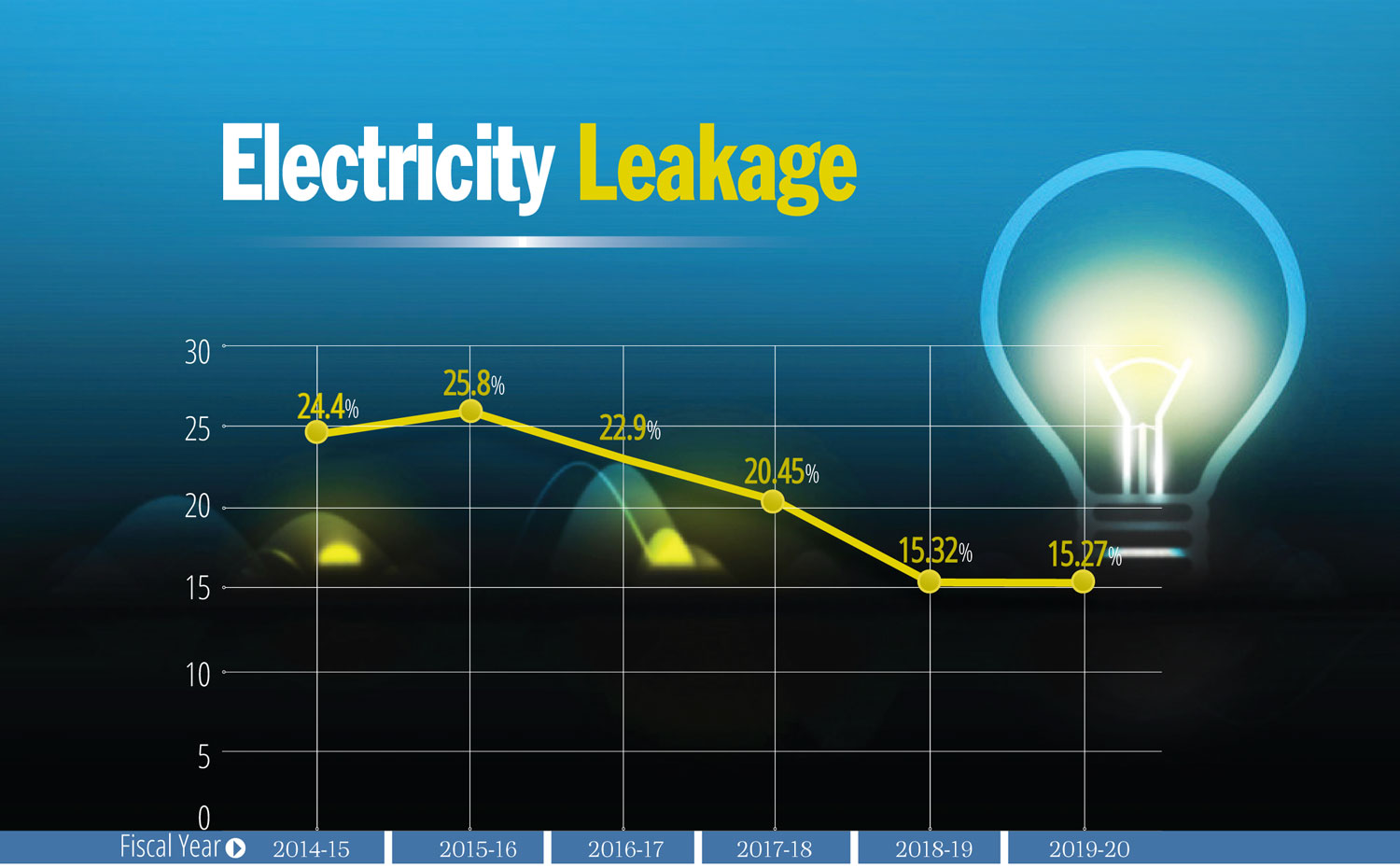
Ghising knew that Nepal’s electricity grid had some of the highest rates of pilferage and system loss, even among developing countries. Leakage alone was 26%, and NEA started a campaign against consumers stealing electricity from transmission lines with ‘hooks’. By this year, pilferage has been slashed to 15%, saving NEA Rs7 billion.
The next step was to reduce system loss which occurs when the distance between the point of generation to consumption is too long. So, NEA set about upgrading transmission lines, substations and transformers.
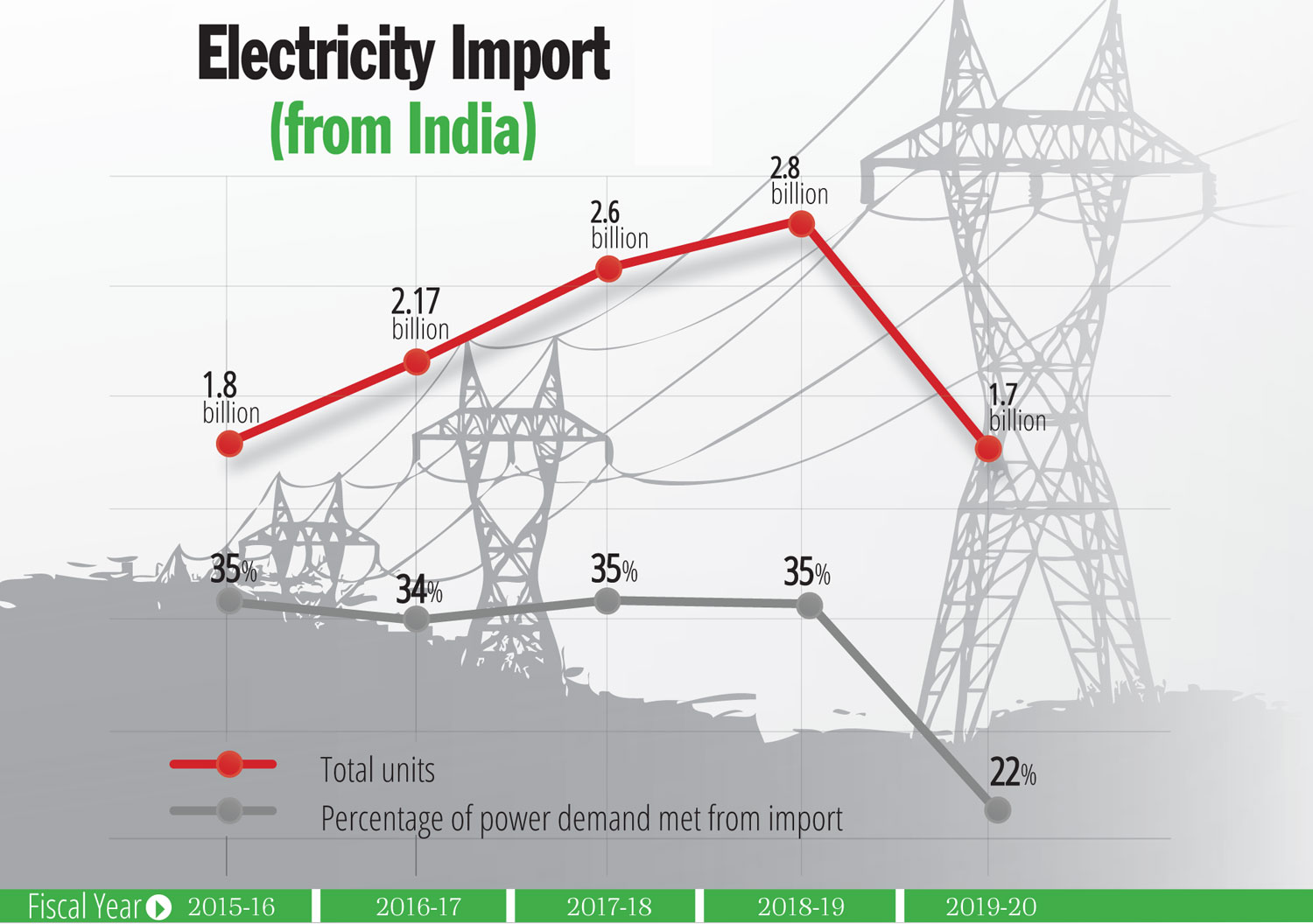
Despite all these moves, there was still a shortfall in electricity and Ghising filled this gap with imports from India through the Dhalkebar-Muzaffarpur transmission line. But as NEA’s own hydropower plants and private producers started coming online, imports have declined steadily from 35% of total supply for the past five years to 22% this year.