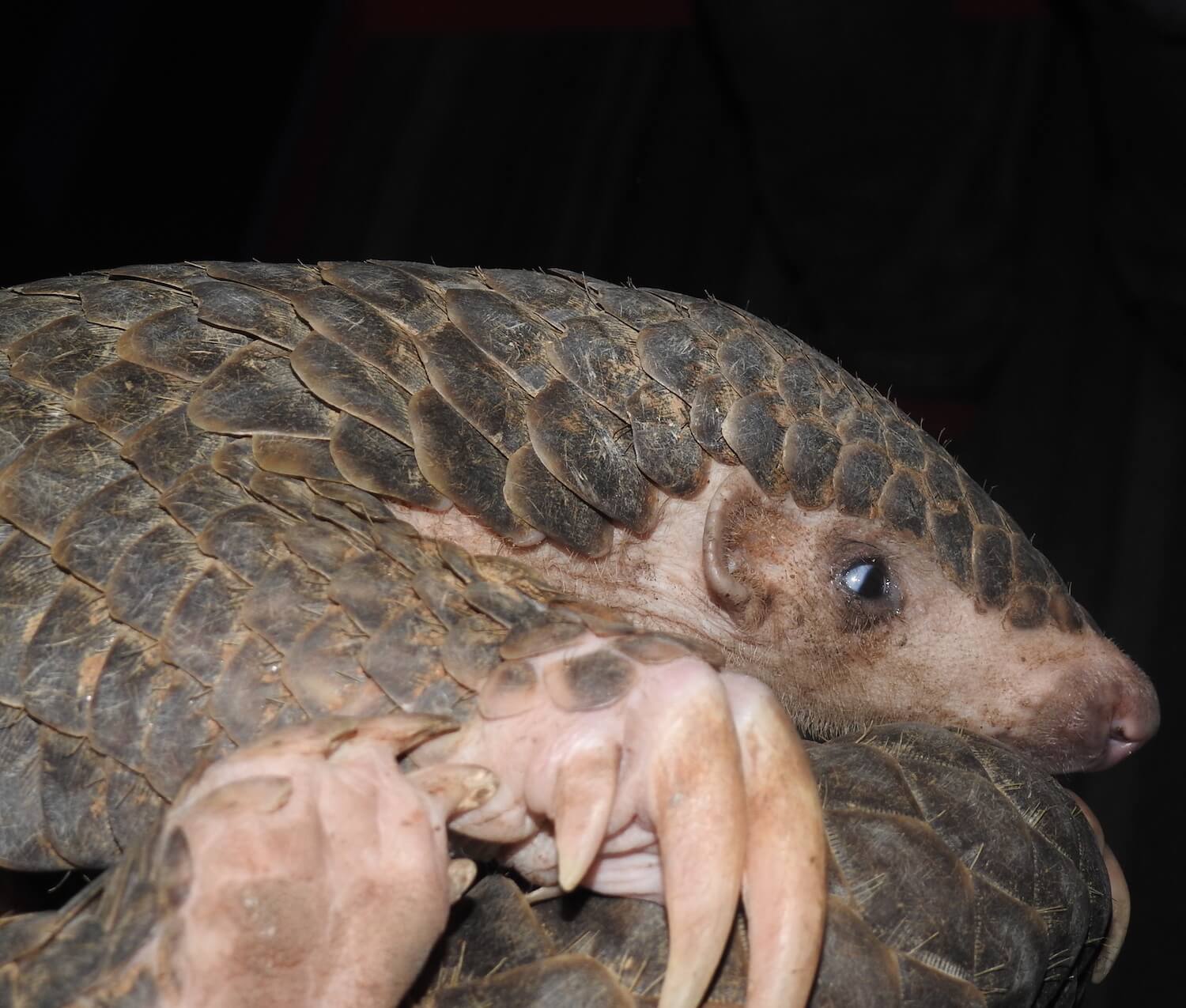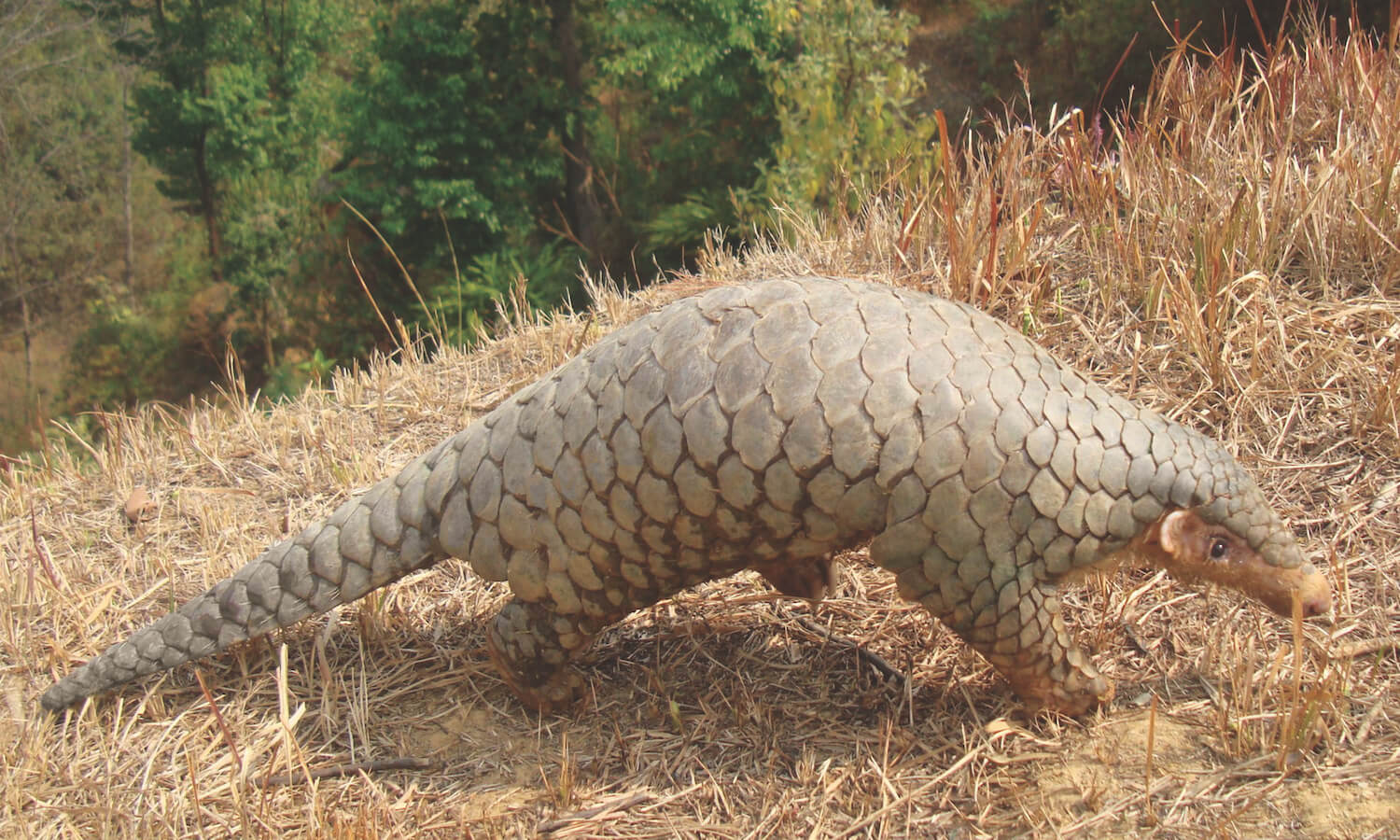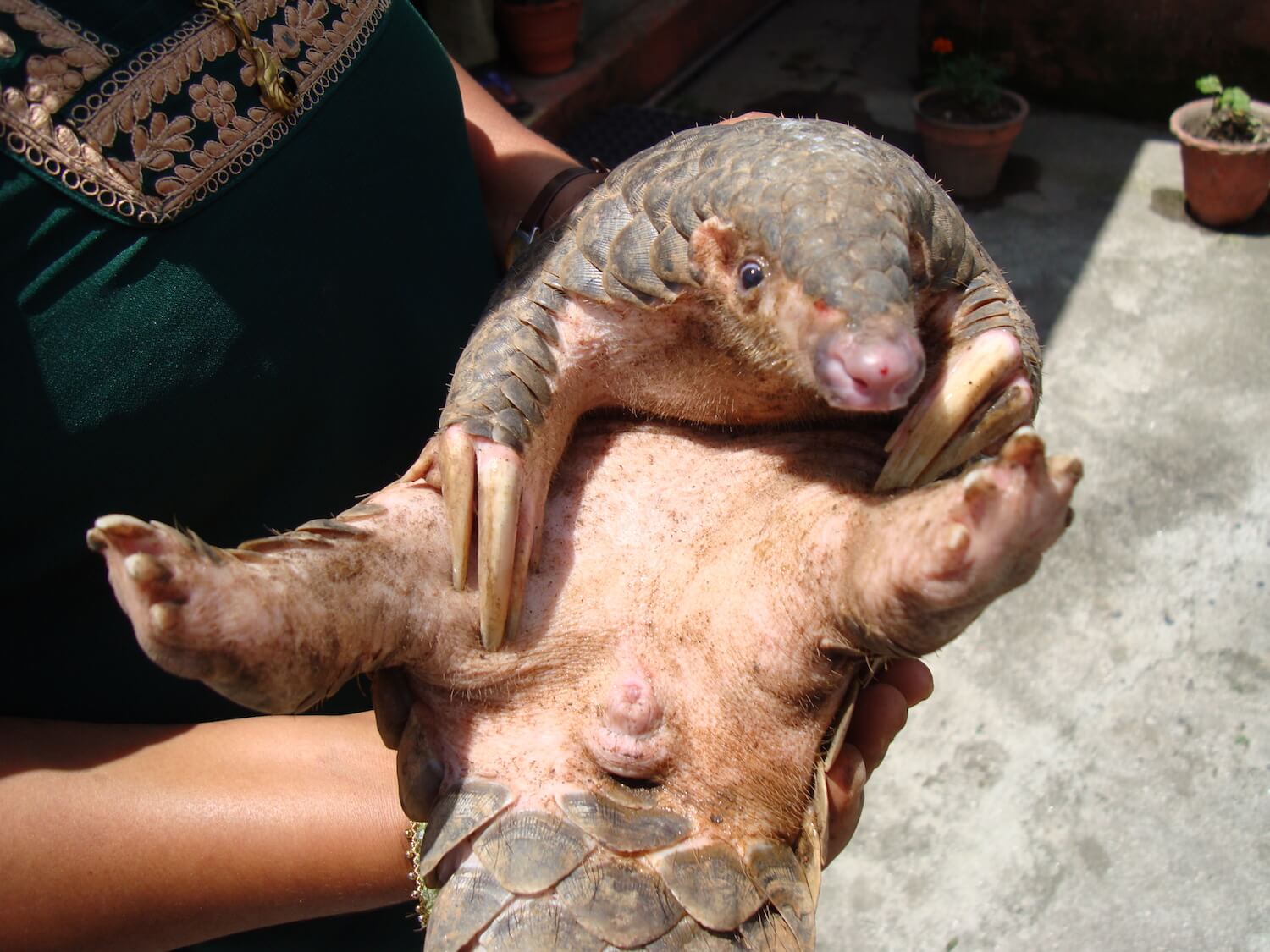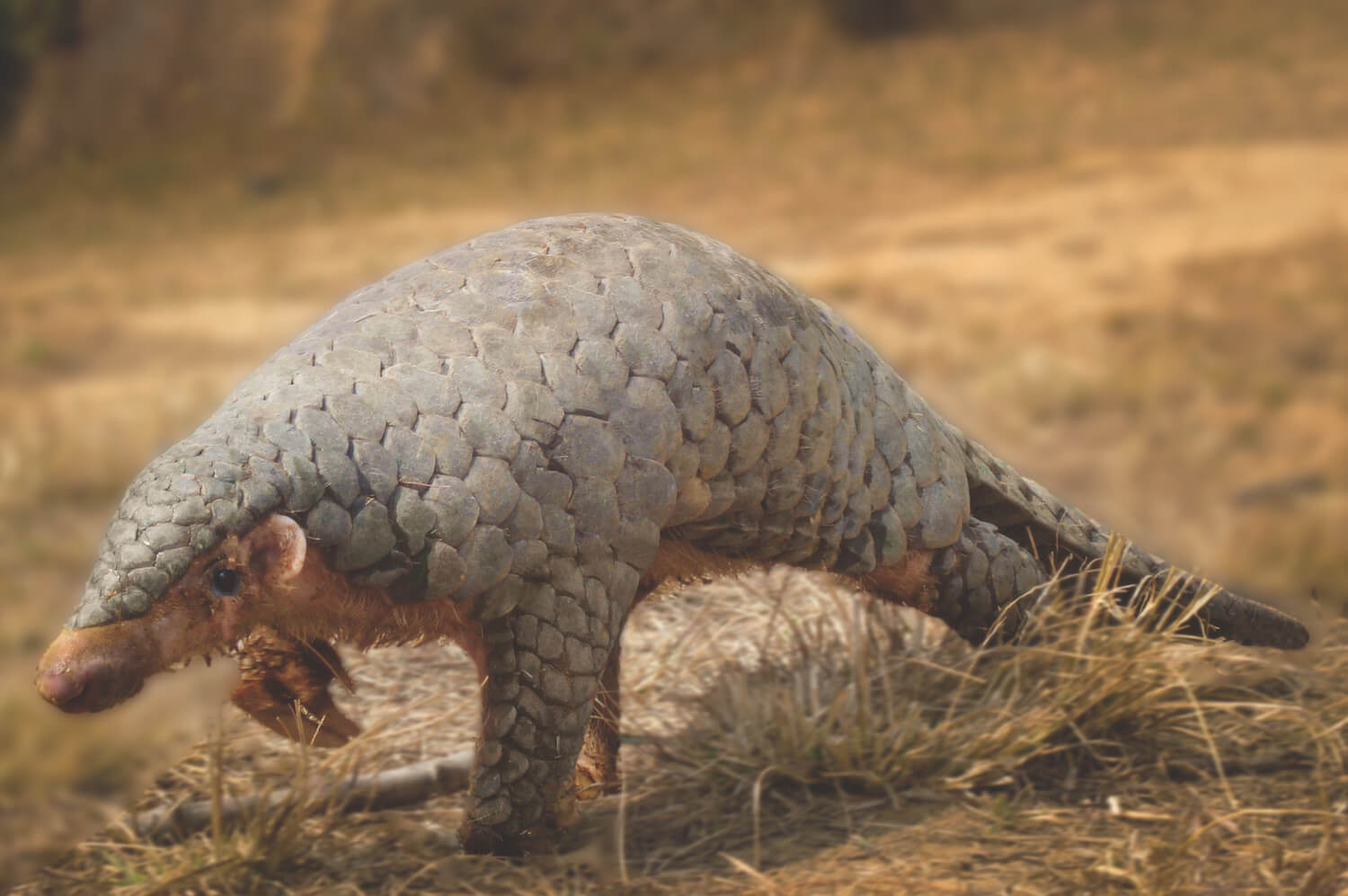
They may not be as cute, and do not make headlines like tigers, elephants or rhinos, but Nepal’s pangolins are critically endangered and need as much protection as those better known mammals.
A report released in Kathmandu by Nepal’s Department of National Parks and Wildlife Conservation on World Pangolin Day on 16 February warns that two indigenous species of scaly anteaters may soon become extinct if they are not protected from poachers smuggling them to feed a growing demand for pangolins across the northern border in China.
“It is very difficult to spot a pangolin in the wild or its burrows when I go out in the field for research nowadays. You really need to be lucky. This wasn’t the case 10 years ago,” said Tulshi Laxmi Suwal, who is doing a doctorate on the mammal.
Titled Pangolin Monitoring Guideline for Nepal the report released on Saturday is a world first – providing instructions on how to monitor the animal’s activity in the wild so action can be taken to protect them.
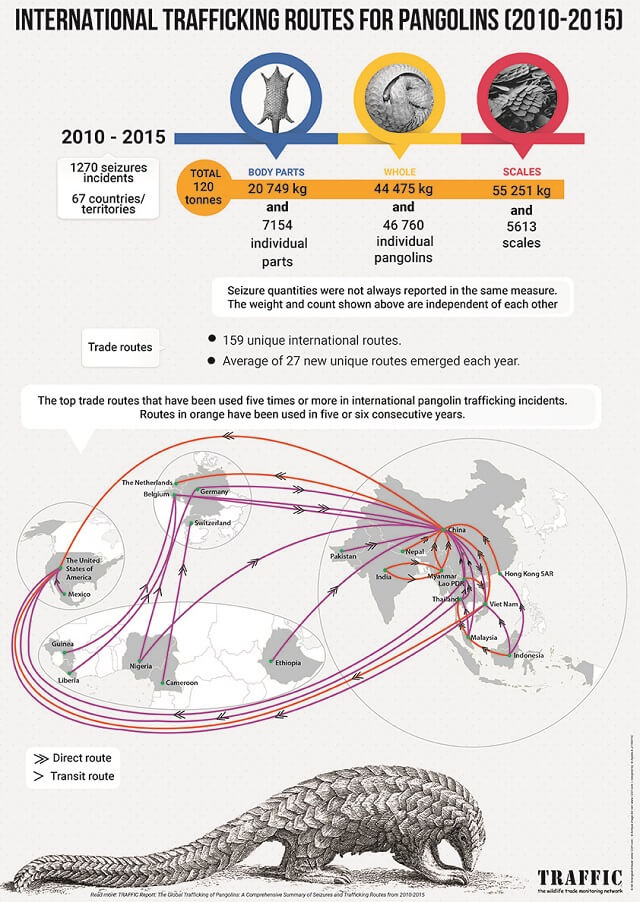
‘The geopolitical situation is such that Nepal not only acts as the source site but as a transit point for pangolin trade,’ states the report, which its authors hope will help develop a national-level conservation, protection and monitoring strategy.
Pangolins with their armour-like scales are known as ‘living fossils’ because the hardy species have been around for 80 million years. It is also the most trafficked mammal in the world, accounting for 20% of all illegal wildlife trade.
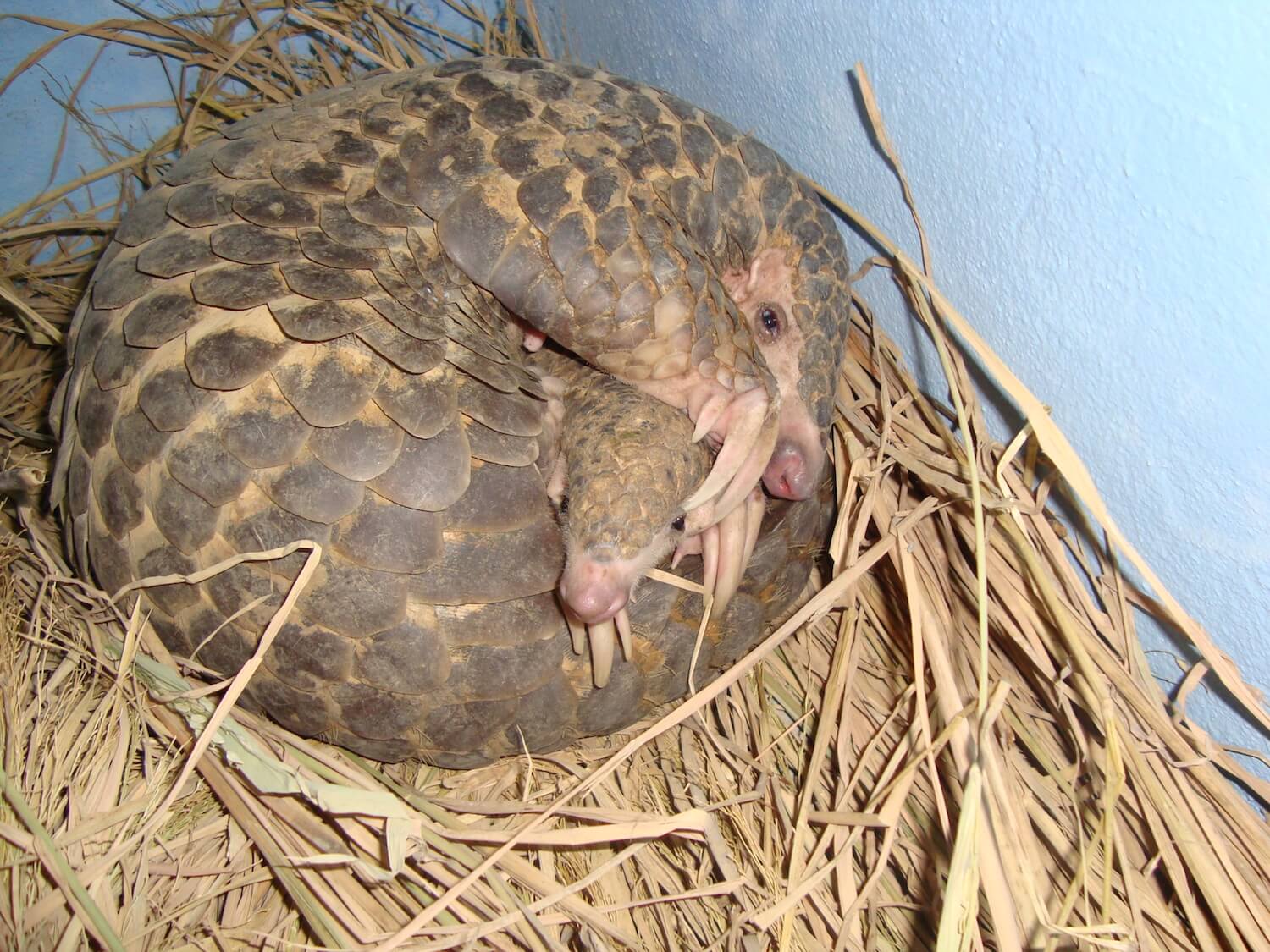
Every year, 100,000 pangolins are smuggled live into China from Southeast Asia and Africa. One million of the animals have been killed worldwide in the last decade alone.
Many Chinese believe the scales have therapeutic value, and pangolin meat is considered a delicacy. Some ethnic groups in Nepal also eat pangolins for their supposed health benefits, but most are now killed or trapped to be smuggled to China.
Nepal is set to become the first country to double its tiger population by 2022, and has marked zero poaching of rhinos for the last few years. But while these charismatic mammals grab headlines, elusive and lesser-known species like the pangolin are being hunted nearly to extinction.
Nepal is home to two species of pangolins: Chinese pangolins have a darker body small head and lack external ears, while Indian pangolins possess brownish yellow scales. Farmers believe the animals to be inauspicious, and they are usually killed if seen.

Chinese pangolins are among the most endangered of all anteater species. Both pangolins are in Nepal’s protected list and killing, poaching, transporting, selling or buying the scaly anteater is punishable with a Rs 1 million fine and/or up to 15 years in jail.