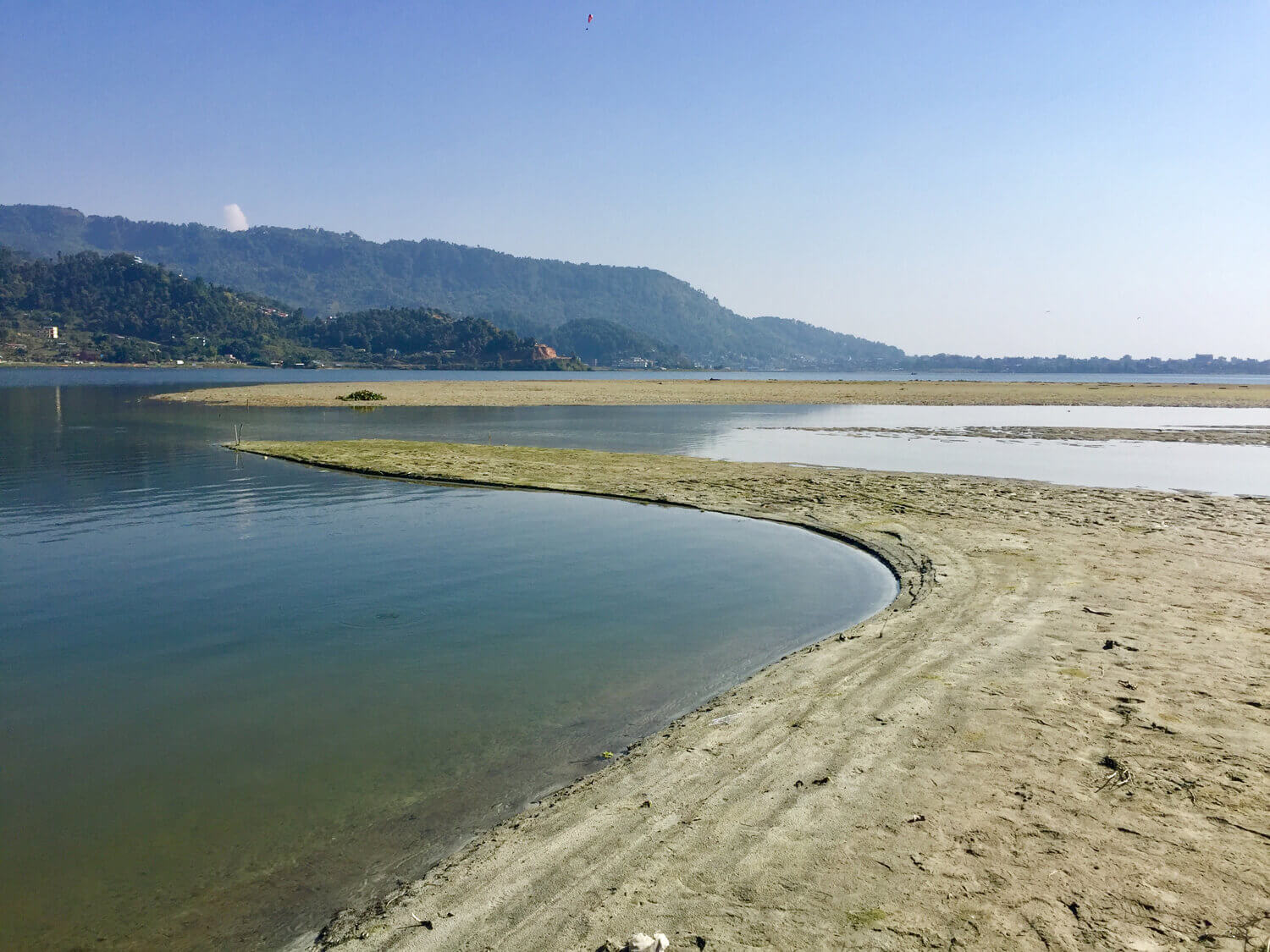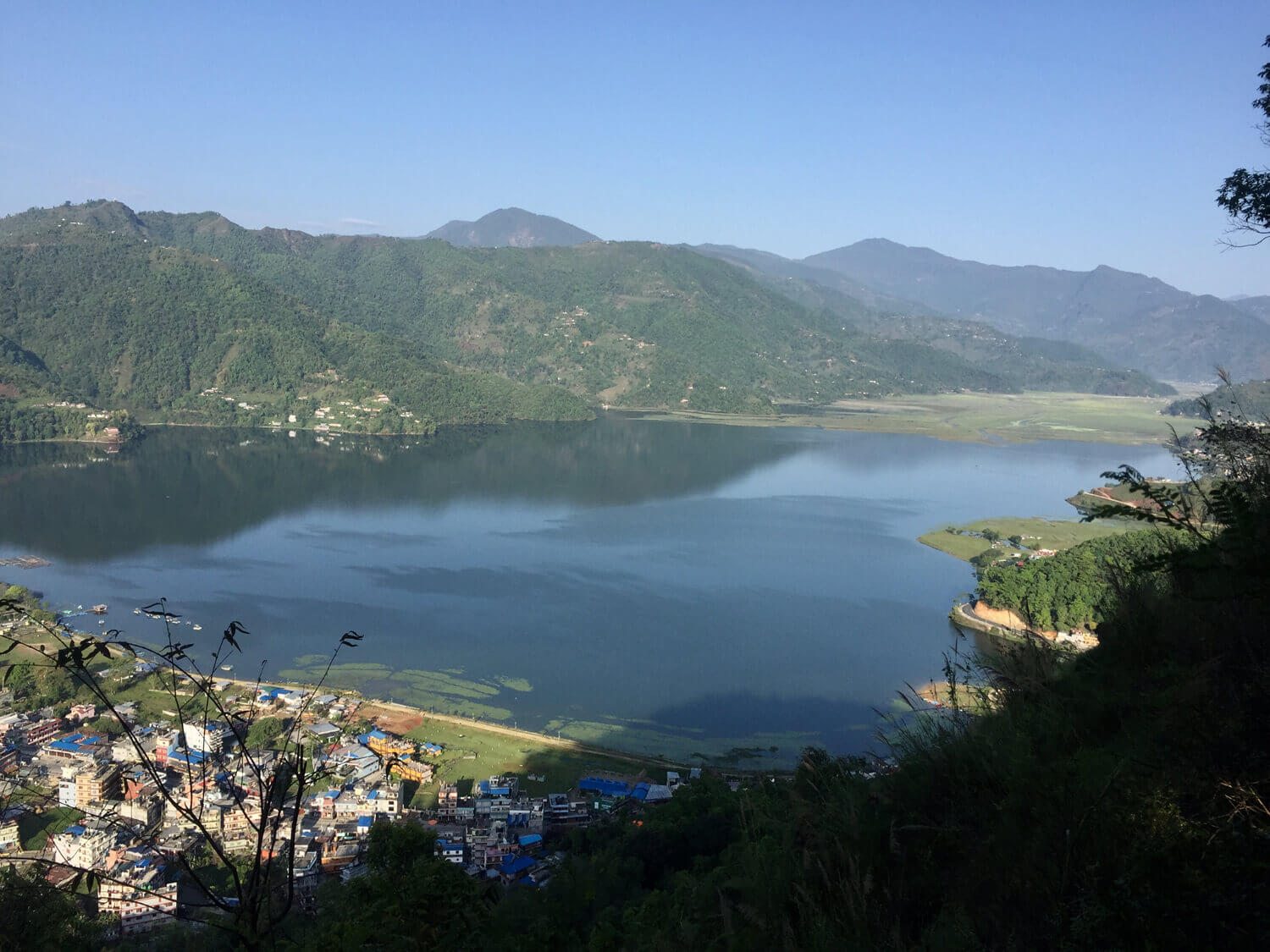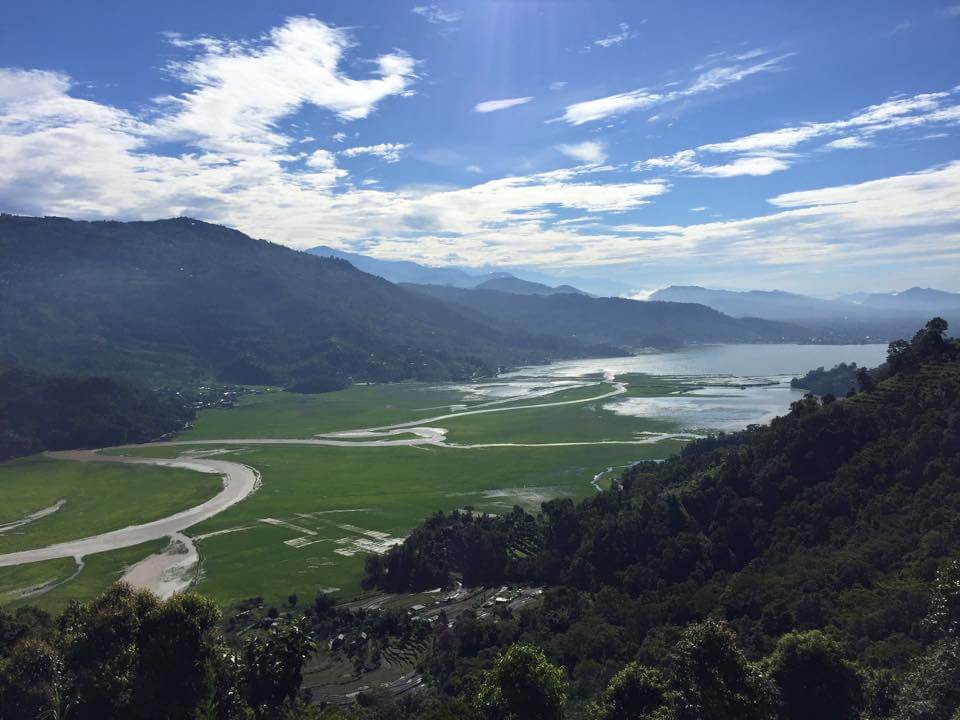
The name Pokhara is derived from the Nepali word for ‘pond’, and points to the numerous lakes and wetlands in the valley below the Annapurnas.
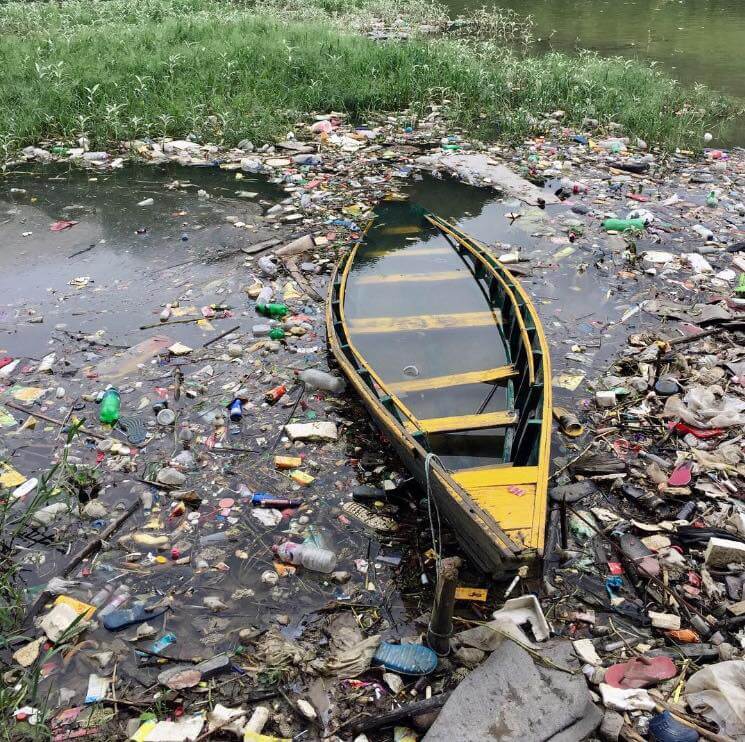
However, with tourism-driven urbanisation, Pokhara is losing its water bodies. The smaller lakes have been overtaken by farmlands or settlements. Sedimentation is shrinking Phewa and the other bigger lakes, and pollution has affected aquatic and bird life.
In addition, haphazard building and road construction on the slopes above the lake have increased sedimentation, and affected the groundwater table causing many springs and streams to go dry. While there has been a visible decline in the number of bird species, numerous other insects, including butterflies and dragonflies, which depend on clean water sources, have also started disappearing.
Read also: Project Dragonfly, Sonia Awale
Now, fearing that Pokhara’s tourism business may be affected by its depleting lakes and wetlands, the Gandaki provincial government is setting up a Lakes Commission, the first such initiative for nature conservation since Nepal went federal. It is logical that Gandaki should take the lead since the province has 43% of all of Nepal’s lakes. There are 63 lakes below 3,000m in the province, and new glacial lakes are forming at higher altitudes because of global warming. Gandaki also has wetlands that are the favourite stopovers for migratory birds.