
|
|
Nepalis have come to expect shoddy treatment from their rulers, whether democratic, autocratic or feudal.
Preoccupied as this interim government is with managing the alliance and making sure the peace process doesn't derail, and as the political leaders are with feathering their own nests, there is no time to ensure basic services.
Nepal's long-suffering citizens didn't expect things to get better overnight. But it's been nearly two years. Euphoria turned into disillusionment long ago. Now the frustration is turning into anger.
The one way this unelected government could have demonstrated legitimacy was by delivery. In that, it has failed pretty dismally. The denizens of the capital are lucky they have 12 hours of power cuts a day. Outside Kathmandu, power lasts only a few hours. Water supply is even more erratic. It is unlikely the poor are going to get free health care anytime soon. There has been no effort to bridge the gap between rich and poor schools.
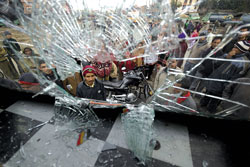
None of this is due to a lack of resources. It is the result of gross mismanagement, criminal wastage and endemic corruption. And that is true also of the most glaring example of government bungling to date: the chronic fuel shortage. The ignominious roll-back last week exposed not just an ill-planned price rise but also the incompetence and weakness of the state. The result is a nationwide shortage of diesel that has brought the country to a standstill.
The government has the money to pay off the Nepal Oil Corporation's debt to Indian refineries so supplies can resume, but doesn't want to do so until retail prices are raised to more realistic levels. So the Indians have stopped supplying diesel and kerosene and hence the serpentine queues, this time of buses and trucks.