
|
|
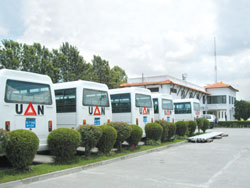
| READY TO GO: UNMIN is sending 40 District Electoral Officers out to the field in two weeks' time to prepare for a November election. The mission currently has 200 staff, mostly arms monitors and electoral advisors, in its five regional offices. |
There's good news and bad about the 22 November date for elections to the constituent assembly.
On the upside, a deal looks imminent with both the janajatis and madhesis. The Nepalese Federation of Indigenous Nationalities is now flexible on its demand for full-proportional representation, the government is listening, and a consensus looks set: a combination of proportional voting and the first-past-the-post ballot system. Some janajati groups with tiny populations could be accommodated in the 17 seats set aside for nominated members to the CA.
MJF central working committee member Upendra Jha is also upbeat about a deal with the government. "Sure, the government can talk to the armed groups first, but the threat of secession is just a bargaining chip," he says." Eventually we'll get exactly what we want in terms of proportional representation."
The resolution of the janajati demands is being seen as another factor in defusing the madhes crisis. "Once they agree on representation, the Tharus and most tarai communities will come over, except the Yadavs and the Muslims" says an analyst.
The Election Commission meanwhile is gearing up to work long days to complete its homework by end-September: laying down rules and regulations, and the code of conduct; staff and monitor selection and training; preparation of voter education and other election-related materials.