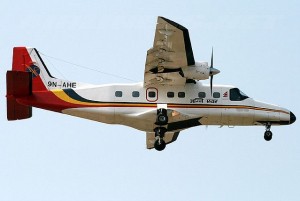
A file photo of the Agni Air Dorner that crashed on Tuesday morning near Kathmandu
A Dornier 228 aircraft of Agni Air, carrying 11 passengers and three crew members, crashed Tuesday morning in bad weather while returning to Kathmandu after being unable to land in Lukla.
The plane had taken off at 7am and diverted back to Kathmandu after encountering technical problems, but lost contact with Kathmandu radar control at 7:21am. Villagers in Makwanpur’s Sikharpur village heard a loud bang in the mountains above, and reports said police have started walking up to the site in heavy rain.
Airline sources who did not want to be identified said the pilot had reported generator failure en route to Lukla and decided to return, but the backup generator also later failed. Generator failure would mean the plane would have lost its cockpit avionics and would be effectively flying blind in rugged terrain and bad weather.
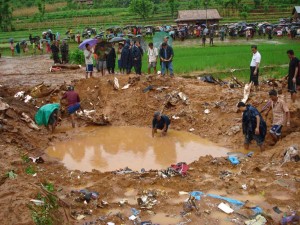
Rescue workers search for remains of the crash as the villagers look on.
Witnesses quoted on FM radio said all on board were dead. The crash site is located about 15 miles south of Kathmandu and at an altitude of 9,000 ft. Kathmandu airport was closed when the plane went missing and incoming international flights were diverted. The airport reopened at 8:45am, and domestic flights to Biratnagar and Bhairawa were operating.
Preliminary reports indicate the accident was caused by a combination of technical failure and extremely bad weather. It has been raining continuously in central Nepal since Monday evening.
This is the second major crash of a Lukla-bound flight in the past five years. In November 2008, a Yeti Airlines Twin Otter crashed on the threshold of the runway at Lukla, killing 14 passengers, mostly German tourists. The pilot survived.
Six of the 11 passengers killed in Tuesday’s crash were foreign trekkers. The plane was piloted by Capt Lucky Shah and the co-pilot was Sofiya Singh.
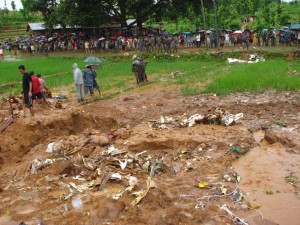
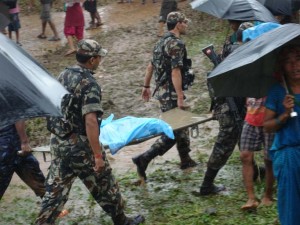
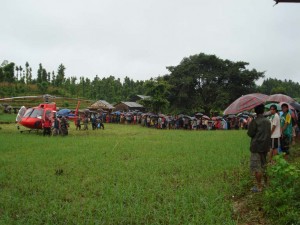
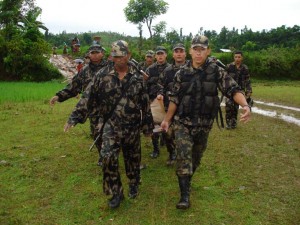
The rescue and search operation at the crash site.

The rescue and search operation at the crash site.

A Fishtail air helicopter reaches the crash site.

The rescue and search operation at the crash site.

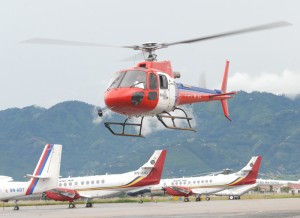
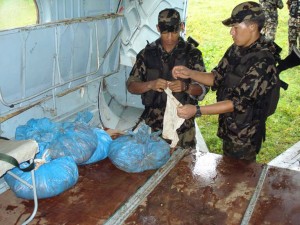
A Fishtail helicopter arrives at the airport in Kathmandu carrying the remains of the Agni Air crash

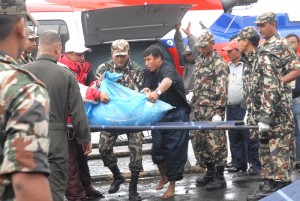
The remains of the Dornier 228 aircraft and the victims of the crash being unloaded and transported to a van.

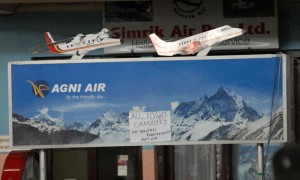
A notice at the Agni Air counter in the Kathmandu Domestic Airport announces that all the flights of the day have been cancelled.


RIP, Lucky.
So sad to hear the news about the plane crash.
/Sweden
Really tragic. CAAN will have to investigate why air crashes are so common in Nepal and why they are always terrain-related. Flying in the monsoon in the Himalayas seems to be lethal. If there was a technical fault, is there a reason for it? Could it be airline cost-cutting that resulted in the removal of backup systems and redundancies? What is the state of maintenance of domestic airlines? Capt Shah was a seasoned pilot, and while weather was a factor, I don’t believe it is the whole story. Let’s not have an inquiry commission’s findings ignored like all the others.
The Agni air crash should never have happened had the aircraft not been given clearance to take off in that kind of weather.I have lost my youngest sister Sarah Sherpa in this flight.I am deeply saddened by this incident nevertheless angered that this could have been prevented.One thing I would like everyone to know is that Captain Lucky Shah was a very experienced pilot and I promise you all he tried his level best to save the lives of everyone on board safely by trying to land in the flatland near the school.I was a flight attendant myself and had flown with Captain Lucky several times.This tragic incident would never have happened if the aircraft had not been given the clearance to fly in really bad weather and the aircraft been inspected properly for its technical and maintenance issues plus if our aviation system had more strict rules.I would like to send my hearfelt condolences to all the other victims families.This tragic air crash should open our Aviation and goverments eyes to prevent any other tragedies .
Bon-voyage! All dreams of sound flight, back and forth, but when tragedy comes, it comes without any warning, so I think it is futile to blame this and that for this tragic accident, which is though horrifying for those who died, and very sad for all the loved ones families and friends. This actually is the reality of everything impermanent in nature, as we see that everything which we see, either living or non living, small or big like huge rocky mountains, they are all subject to change and decay, then why not our simple bubble like simple human body, which is even more easier to be destroyed, without any prior warning. I think like that when I am in the flight, such thoughts of all impermanence by nature, gives me more ease, in case if I were to meet a fate like that in plane crash!
Budham Sharnam Gachhami! Dharmam Sharan gacchami! sangam sharanam gacchami!
There is no refuge safer then anything, then in the three Jewels!
enough, why is this happening so often in Nepal. Obiviously this is a regulation issue. Safety regulation and broader management.
This is so unnecessary, lose of life of young crews and tourist alike. I guess this is Nepal, no one is reponsbible.
My thought goes to family of all these people who died.
And Sameer Yonzan: what are you talking about! have you lost your mind. We are here to mourn the unnecessary and untimely death of these people, and it is due to lack of regulatioan and safety Management.
You may feel comfort when you fly by reciting your tantra. But what makes those plain fly safely are rules and regulation and mechanics and avionics. And if you do want to apply your buddhsim phiosophy perharps you have heard of ” strive mindfully” and also not to be ignorant.
Mr. Sameer, Even before taking-off the warning is heard loud and clear but there is no use of a warning if it’s put a blind eye to is there? That’s how it works here.
I agree with Mr, Toksang. Unfortunately, they(some operators) operate in a culture where business and money comes prior to safety. There’s the attitude of “chalihalcha ni” which goes around,in respect to safety. This horrible accident was just waiting to happen in my opinion. Almost all the fatal accidents happen due to a series of errors/factors, not just one. Pilots on their own just don’t fly in crap weather, the question is why do they still fly?. There must be other external influences pressuring and playing with everyone’s luck. The crews are in a way just another victim of the system. It’s not easy to fly here dealing with the company’s pressure, the nature of the terrain and the weather. I strongly believe it’s the operators negligence on maintenance,marketing/operator’s pressure to fly and the mediocre nature of CAAN to be a part of the factors resulting this fatal accident. To me, Capt. L.P.B. Shah, F/O S.Singh and A/H S.Sherpa of that ill fated flight were a respected Captain, a good colleague and a good friend, respectively. I miss them all!
I consider, that you are not right. Write to me in PM, we will communicate.